
Vandaag of morgen in huis

Kwaliteit gegarandeerd

Welkomstaanbiedingen ontgrendelen: GRATIS bezorging | Tot 80% korting | Gratis 30 dagen JoyPlus-proefperiode
Download de app
A backpack seems easy to choose, until you realise every day that it is too small, awkward to open or offers insufficient protection against a typical British downpour. Marketing terms such as “ultralight”, “waterproof” and “lots of compartments” also do not always tell you enough about how practical a bag really is.
The main pitfalls are:
Choose the capacity based on what you actually carry. A 20-litre backpack is often suitable for commuting, school or a bike ride with clothing and lunch. For books, sportswear or a short trip, a 30-litre backpack can provide more space.
For multi-day hikes, you will generally need a 45-litre backpack or 50-litre backpack. Do not just look at the number of litres, but also at the carrying system. A 50-litre model without a good hip belt may be less practical than a smaller bag that stays firmly in place.
Also check:
For example, the Beneunder LC183 has a stated capacity of 10 litres in its standard configuration and 13 litres when expanded. The product description mentions a built-in expansion design that increases capacity by 30%. According to the product specifications, this is useful when your load varies from day to day, but it remains a compact bag rather than a full-size work or trekking backpack.
A backpack for women and men should not just look good; it should also be adjustable. Consider the width and padding of the shoulder straps, the shape of the back panel and whether it has a chest or hip strap.
For a daypack, school backpack or laptop backpack, padded straps and a cushioned back panel are often sufficient. For cycling, running or walking, a more secure fit is more important. A walking backpack for longer distances will usually benefit from:
Also pay attention to the size range. According to the product information, the PELLIOT Trail Running Backpack is available in two sizes. The stated torso length ranges from 38–46 cm for S/M and from 45–53 cm for L/XL. Measure the distance from the prominent bone at the base of your neck to the top of your hip bones before ordering.
Nylon, polyester and Oxford fabric are commonly used. However, the material does not tell you everything. The zips, seams and construction also determine how much protection you get.
A water-repellent backpack is suitable for light rain or short journeys, but for electronics, take additional protection during prolonged rainfall. Check whether a rain cover, waterproof laptop sleeve or separate waterproof compartment is included. A roll-top model may offer extra protection through its closure, but always check the specific product description.
Outdoor products sometimes make strong claims. If a brand refers to, for example, an impact-resistant system or a particular level of protection, treat this as a claim made by the brand. According to the product description, the Beneunder LC359 uses polycarbonate panels and outdoor fabric as part of the stated StrongShield system. This provides information about the construction, but it is not a guarantee that the bag can withstand every impact.
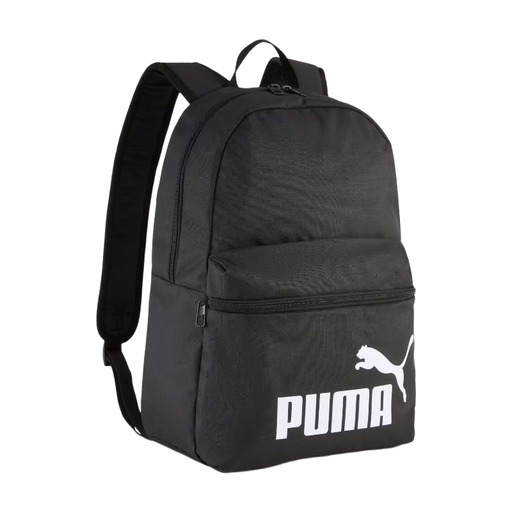
Why it suits this profile: This 22-litre backpack is designed for everyday use at school, work, during sport or on short journeys. Its capacity and layout remain easy to manage without needing a large travel backpack.
The stated dimensions, capacity and weight of 300 grams make the choice easy to assess. It has a main compartment, front pocket and mesh side pocket, so “lots of space” is not merely a vague sales claim.
22-litre capacity, padded back panel, adjustable shoulder straps and reflective print according to the product information.
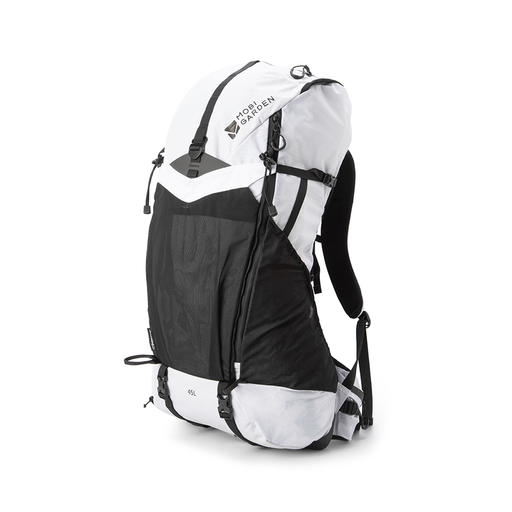
Why it suits this profile: This model is intended for backpacking, hiking and trekking, with a stated capacity of 45 litres. The combination of carrying support and separate compartments suits multi-day, lightweight walking trips.
The bag specifies not only 45 litres, but also a hip belt, chest strap, ventilated back panel and separate waterproof hydration compartment. This allows you to assess the practical carrying and storage features in advance.
Dyneema composite fabric, approximately 1.35 kg, external attachment points and a 3D ventilation panel according to the product specifications.
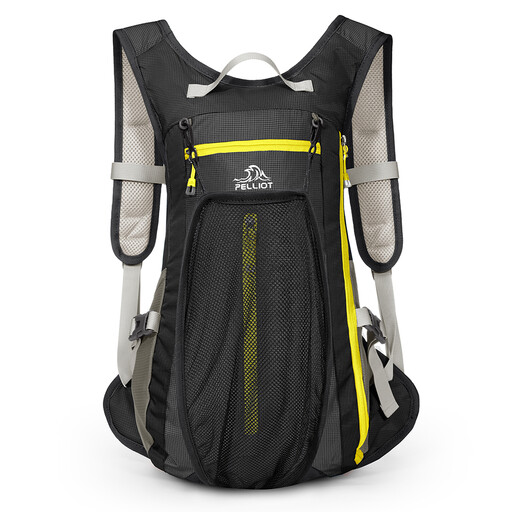
Why it suits this profile: This sports backpack is designed for trail running and cycling. Its size options, harness and compartments are tailored to provide a secure fit during intense movement.
The product information mentions an ergonomic harness, multiple compartments and two size ranges. However, check your torso length and waist measurement before ordering; a sports model is not automatically suitable as a laptop backpack.
20-litre capacity, breathable mesh lining, adjustable harness and hard-wearing grid polyester according to the product description.
We have compiled a complete, up-to-date list of products that fully meet these strict selection criteria and the applicable European safety regulations.
For commuting or school, 18 to 30 litres is usually practical. If you carry a laptop, lunch, sportswear and a coat, choose closer to 24 or 30 litres. For just a few small personal items, a compact 10 to 15-litre daypack may be sufficient.
Its lifespan depends on the material, zips, seams, load and care. Overloading shortens the life of shoulder straps and fastenings. Clean the bag according to the instructions: many models may only be cleaned with a damp cloth and should not be put in the washing machine.
Often yes in light rain, but it is not guaranteed to provide adequate protection during prolonged or heavy rainfall. Protect a laptop and documents with an additional cover. Check whether the manufacturer describes the bag as water-repellent, water-resistant or waterproof, and see whether the seams and zips have been additionally sealed.
