
Vandaag of morgen in huis

Kwaliteit gegarandeerd

Welkomstaanbiedingen ontgrendelen: GRATIS bezorging | Tot 80% korting | Gratis 30 dagen JoyPlus-proefperiode
Download de app
Baby wipes may seem straightforward, but the differences between packs can be significant. One variety is designed for the face, while another is intended for bottoms, hands and everyday nappy changes. The number of wipes, ingredients and material can also vary considerably.
The three most common pitfalls:
Buying a large pack without checking the price per wipe
A large pack may look better value, but a lower price per pack does not automatically mean a lower price per wipe. Divide the total price by the number of wipes, and also check that the wipes will not dry out more quickly.
Confusing marketing claims with guarantees
Words such as “mild”, “water-based” or “for sensitive skin” only tell you something when supported by the ingredients and product specifications. According to a brand’s own product information, for example, wipes may be alcohol-free or dermatologically tested. That does not mean every baby’s skin will react to them in the same way.
Using the wrong wipes for the job
Baby wipes for bottoms, hands and faces are not the same as household cleaning wipes. Products such as microfibre cloths, disinfectant wipes or dry wash mitts do not normally belong in the nappy-wipe category. Always check the intended use.
For sensitive baby skin, many parents choose fragrance-free baby wipes and alcohol-free baby wipes. Fragrance may not suit some children, while alcohol can leave the skin feeling tight. In addition to checking the front of the pack, always read the full ingredients list.
Look out for terms such as:
A short ingredients list may be easy to understand, but it is not automatically suitable for every child. Stop using the wipes if redness, irritation or other discomfort occurs, and follow the instructions on the packaging.
Wipes that are too dry are less pleasant to use and may cause more friction. A well-sealed lid or resealable closure helps retain moisture for longer. Store opened packs in a cool, dry place away from direct sunlight.
With water wipes for babies, the lotion consists largely of water. According to the product description, WaterWipes, for example, contain 99.9% purified water and 0.1% grapefruit seed extract. Pampers 99% Water Baby Wipes state in the product specifications that they contain 99% water and have an alcohol- and fragrance-free formula.
Also check the wipe material. Plastic-free baby wipes may be made from plant-based fibres, cellulose or viscose. A claim such as “biodegradable baby wipes” does not automatically mean that the wipes are flushable. Used wipes belong in the bin, not down the toilet.
A large pack of baby wipes can be practical for use at home. Smaller packs are more convenient for a changing bag. When comparing products, consider:
Baby wipes from birth are often marketed as fragrance-free, alcohol-free or suitable from 0+ months. Always check this in the product information and use wipes externally only. For the face, a separate variety such as Derlon Baby Face Wipes may make more sense than wipes intended primarily for nappy changes.
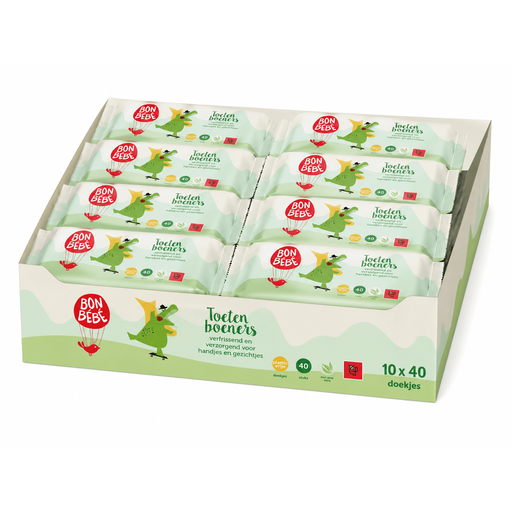
Why it suits this profile: The set contains 400 wipes in several packs, making it practical for everyday use at home.
The quantity is clearly stated, so you can calculate the cost per wipe. The resealable packaging helps limit drying out.
According to the product information, the wipes are alcohol- and fragrance-free and contain aloe vera. Suitable for hands, face and nappy changes.
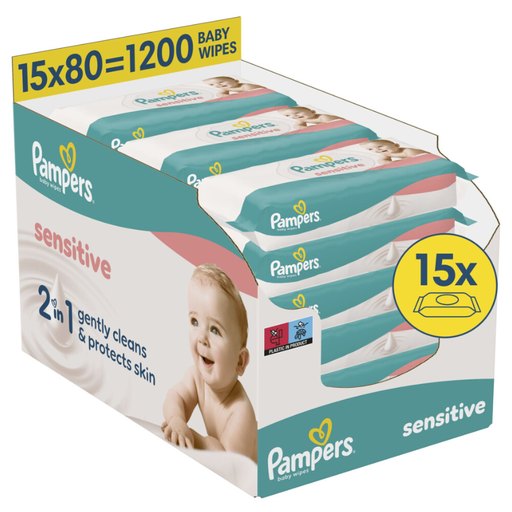
Why it suits this profile: A large stock with specifications designed for everyday use on sensitive skin.
The product details state that the wipes contain no fragrance, alcohol or colourants. The closure is designed to keep the wipes moist.
According to Pampers, these wipes are dermatologically tested and suitable from birth. The total quantity is 1,200 wipes.

Why it suits this profile: The supply of 960 wipes is ideal for families who change nappies frequently or keep supplies in several places around the home.
The number of packs and wipes is specified. Close the pack after every use to help limit drying out.
According to the manufacturer, the wipes are unperfumed, made from plastic-free plant-based fibres and OEKO-TEX certified.
We have compiled a complete, up-to-date list of products that fully meet these strict selection criteria and the applicable European safety regulations.
Not necessarily. Fragrance-free baby wipes contain no added fragrance, but the full ingredients list and your child’s individual reaction remain important. If in doubt, choose a simple formula, use no more wipes than necessary and stop if irritation occurs.
No. Even when a product is described as biodegradable or plastic-free, it should not go down the toilet. Dispose of used wet wipes with your general waste to help prevent blockages.
This varies by product. Seal the pack securely after each use and follow the information on the packaging. According to the product information, water wipes containing few preservatives may have a shorter recommended period of use after opening. Always check the expiry or storage information before using an old pack.
