
Vandaag of morgen in huis

Kwaliteit gegarandeerd

Welkomstaanbiedingen ontgrendelen: GRATIS bezorging | Tot 80% korting | Gratis 30 dagen JoyPlus-proefperiode
Download de app
Tomato purée may seem like a simple store-cupboard staple, but differences in concentration, texture, salt content and packaging all affect how you use it. If you only look at the front of the label, you could end up paying for a large jar that doesn’t suit your everyday cooking habits. Terms such as tomato paste, Italian tomato purée and Turkish tomato purée are not always used in the same way, either.
This buying guide explains what to look for before you buy tomato purée. You’ll also find out when sieved tomatoes, tomato passata, chopped tomatoes, pepper paste or tamarind paste might be a better choice.
A 700 to 830 g jar may look appealing for families or meal preppers, but you’ll need to take extra care with storage once it’s open. If you only use one tablespoon per dish, a smaller pack may be more practical. Always check the storage information on the packaging and follow the instructions for storing the product after opening.
Tomato purée is concentrated and intended to add flavour, colour and body. Tomato passata and sieved tomatoes are runnier and are better suited as a base for a sauce or soup. Chopped tomatoes contain pieces, making them a good choice for dishes where you want to retain some texture.
Ready-made pasta sauce often already contains herbs, oil, onion or salt. That’s convenient, but it gives you less control over the final flavour.
Check the ingredients list rather than relying on marketing claims. According to the product information, Mutti Double Tomato Puree contains 99.5% tomatoes and salt. Akfa Domates Salcasi is sold as tomato purée, but the product information provided doesn’t include a complete ingredients list. If in doubt, check the label on the packaging before ordering or using the product.
Also check the salt content. This can vary considerably between products and matters if you want to add your own seasoning and salt to a dish.
The concentration determines how much product you need. Some products display a Brix value. Oncu Tatli Biber Salcasi, for example, is described as having a Brix value of 30–32%. This is pepper paste, not ordinary tomato purée, but the value gives you an idea of how concentrated a paste can be.
Double-concentrated tomato purée, such as Mutti Double Tomato Puree, is designed to add extra depth to a sauce, soup or stew with just a small amount. The manufacturer states that up to 6 kg of fresh tomatoes is concentrated into 1 kg of purée. This is a claim made by the brand in its product description, not a general standard for all double-concentrated tomato purées.
Choose according to the dish:
According to the product information, Heinz Sifted Tomatoes contains tomatoes and salt and has a smooth texture. It’s therefore more of a runny base than a highly concentrated tomato paste.
Always check:
According to the information provided, the tomato purées mentioned don’t contain any of the 14 major EU allergens. Even so, check the current label, as recipes and packaging can change. Use a clean, dry spoon with jars and close the packaging securely.
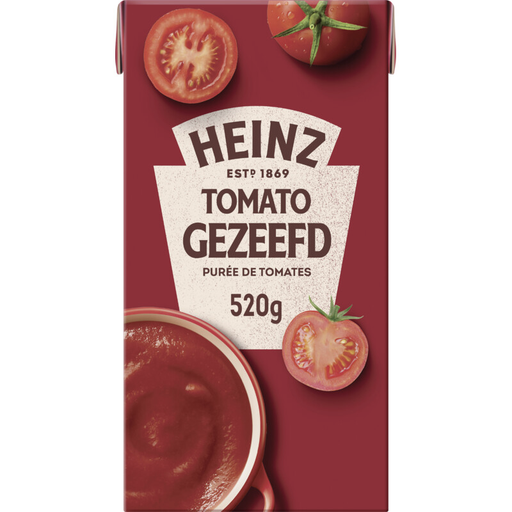
Why it suits this shopper: The smooth tomato base is ready to use in pasta, soup, curry, lasagne and pizza. It’s a practical starting point if you’re still getting to grips with the difference between passata and tomato purée.
The product description states that no flavourings or preservatives have been added. Its smooth texture means you don’t need a different tomato base for every dish.
520 g; smooth texture; suitable for a range of everyday dishes.

Why it suits this shopper: The small pack and concentrated ingredients are ideal for home cooks who want to add flavour precisely without opening a large jar.
The 140 g pack helps reduce waste in smaller households. The ingredients list states that it contains 99.5% tomatoes and salt.
Double-concentrated tomato purée; 140 g pack; suitable for both quick and longer cooking, according to the product information.
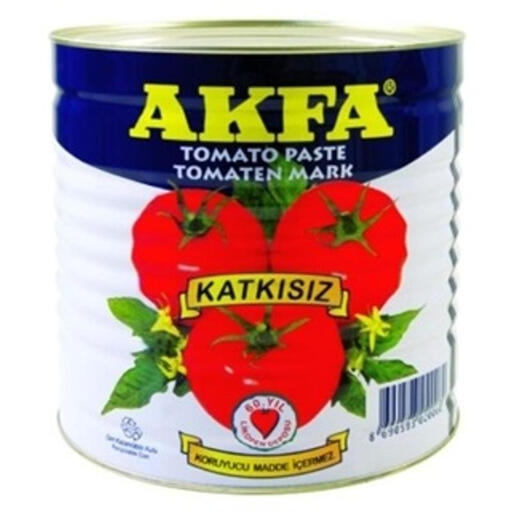
Why it suits this shopper: The large jar is a good fit for families, fans of Turkish cuisine and meal preppers who use tomato purée regularly.
The 830 g pack means you won’t need several smaller packs for multiple cooking sessions. Always use a clean, dry spoon and check the latest storage instructions.
830 g; designed for Turkish recipes; suitable for sauces, stews and soups.
For a sweet-and-sour note in curries, marinades and dips, Thai Dancer Tamarind Paste 435 ml could be an alternative. According to the product description, this paste is made from tamarind pulp and water. Tamarind isn’t a substitute for tomato, but it adds a fresh, tangy and slightly sweet flavour.
For a completely smooth pasta sauce, you could also choose tomato passata, such as Mutti Tomato Puree With Basil. For extra texture, Mutti Finely Chopped Tomatoes or Heinz Natural Diced Tomatoes are good options. If you’re mainly looking for colour and a peppery aroma, consider Turkish pepper paste or hot pepper paste. Pay particular attention to the salt content and heat level.
We’ve put together a complete, up-to-date list of products that meet these strict selection criteria and comply with current European safety regulations.
In practice, tomato paste usually refers to highly concentrated tomato purée. Always check the ingredients list and texture, though, as names can vary between brands and countries.
It depends on the product and packaging. Follow the instructions on the label, close the jar securely and use a clean, dry spoon. Always follow the use-by date on the packaging.
You can, but your dish will be thinner and less concentrated. If you use passata, add less extra liquid or simmer the sauce for longer. For a rich tomato flavour, you can add a small amount of double-concentrated tomato purée.
