
Vandaag of morgen in huis

Kwaliteit gegarandeerd

Welkomstaanbiedingen ontgrendelen: GRATIS bezorging | Tot 80% korting | Gratis 30 dagen JoyPlus-proefperiode
Download de app
Buying baby food may seem straightforward, until you have to choose between fruit purée, vegetable purée, complete meals and bedtime porridge. Packaging often highlights terms such as “natural”, “organic” or “no added sugar”. These words don’t always tell you whether a product is right for your child’s age, allergies and stage of eating.
So pay particular attention to the information on the label. The age recommendation, ingredients list, allergens, portion size and storage instructions matter more than eye-catching marketing claims.
A product labelled suitable from 4 months isn’t automatically a complete meal. Baby fruit purée, such as banana or pear, is usually intended to introduce new flavours and textures. A meal with vegetables, potato and meat has a different composition and is often offered from 8 or 15 months.
Baby food with no added sugar can still contain natural sugars from fruit. So check the ingredients and nutritional information. For example, Olvarit fruit purée states that it contains no added sugar, but does contain naturally occurring sugars. That’s not the same as being sugar-free.
Milk, wheat, gluten and celery are found in various baby food products. A product that seems suitable for babies from 6 months may still contain milk. Storage times after opening also vary by product: some packaging advises consuming the product within 24 hours, while other products should be used within 48 hours. Always check the label on the packaging you receive, as information may change.
First, choose the right stage:
The wording “from” isn’t personalised feeding advice. Follow the instructions on the packaging and, if you’re unsure, discuss introducing solid foods with a doctor or health visitor.
Check the ingredients in order of quantity. The Olvarit meal with carrot, chicken and potato includes ingredients such as carrot, potato, tomato purée and chicken. The product contains wheat and gluten. The cauliflower variety, on the other hand, lists 100% cauliflower as its ingredient and doesn’t list any of the 14 major EU allergens.
For households where allergens must be carefully avoided, a clear ingredients list is more useful than a general claim on the front of the packaging. Also check for milk in yoghurt and porridge varieties, and celery in some toddler meals.
A 125-gram jar is handy for a first taste. A 190 to 250-gram pack is more suitable for a larger meal or an older child. Multipacks may be better value, but don’t buy more than you can use within the use-by date and storage period.
Also consider the type of packaging:
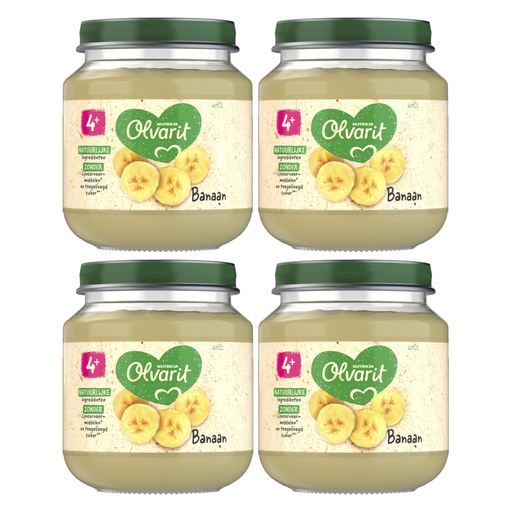
Why it suits this profile: Four 125-gram portions are handy when you’re starting with small amounts and want to plan several tasting sessions.
The product information clearly states 4M+, 125 grams per portion and no added sugar. The naturally occurring sugars from banana are still present.
Fruit purée from 4 months, a multipack and, once opened, refrigeration as directed in the product information.
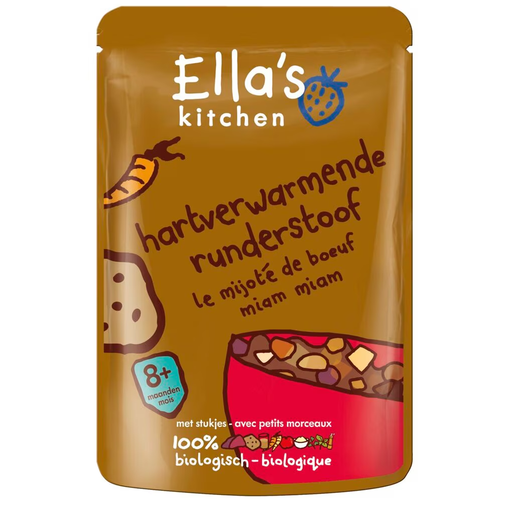
Why it suits this profile: An organic baby food made with beef, vegetables and herbs, intended for children from 8 months.
The product description lists the organic ingredients, the age recommendation of 8 months and the allergen information separately.
Organic ingredients, 190 grams, no specific allergens listed, and suitable for serving hot or cold.
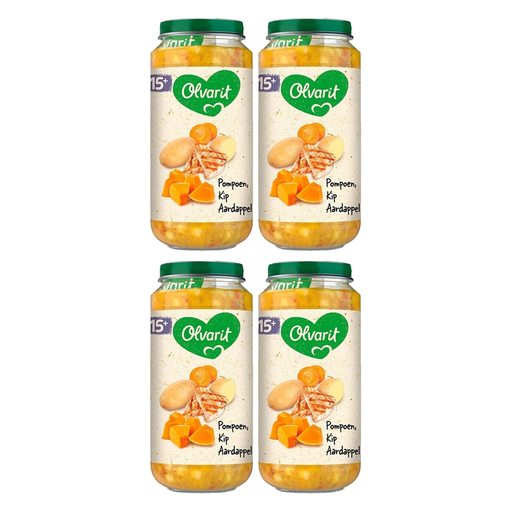
Why it suits this profile: The 250-gram pack and multipack are a good fit for toddlers who eat larger meals.
The age recommendation of 15 months, ingredient percentages and presence of wheat are clearly included in the product details.
No added salt according to the product information, 250 grams per pack and, once opened, storage for up to 48 hours according to the label.
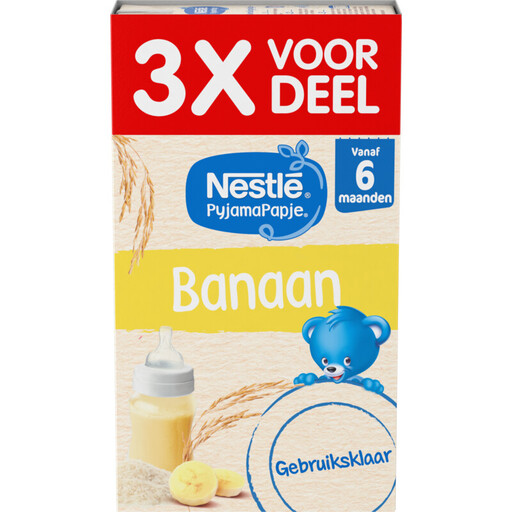
Why it suits this profile: A ready-to-eat rice porridge from 6 months, for parents and carers looking for a quick evening option.
The product page states the age recommendation, lists milk as an allergen, describes the product as gluten-free and gives the storage time after opening.
Ready to eat, can be stored unopened at room temperature according to the product information, and supplied as a 3-pack.
We’ve put together a complete, up-to-date list of products that meet these strict selection criteria and the applicable European safety regulations.
That depends on the information on the label and your child’s stage of eating. Banana or pear fruit purée and a simple vegetable purée for babies, such as cauliflower purée, are available in the range from 4 months. These products are complementary foods; always check the instructions and, if you’re unsure, speak to your health visitor.
Storage times vary by product. The product information mentioned here often advises keeping opened products refrigerated and consuming them within 24 or 48 hours. Seal the packaging securely, put any leftovers in the fridge straight away and always follow the time limit on the packaging.
No. “Organic” and “no added sugar” are different properties. Ella’s Kitchen states that its organic stew contains only naturally occurring sugars. Even so, always check the current ingredients list and nutrition table before you order.
