
Vandaag of morgen in huis

Kwaliteit gegarandeerd

Welkomstaanbiedingen ontgrendelen: GRATIS bezorging | Tot 80% korting | Gratis 30 dagen JoyPlus-proefperiode
Download de app
Buying the right baby essentials may seem straightforward, until you have to choose between different bottles, baths, feeding sets and appliances. Many products promise extra comfort or safety, but the key differences often lie in the details: materials, age suitability, cleaning and size.
Three common pitfalls are:
So don’t rely on marketing copy alone. Compare verifiable details such as capacity, age suitability, materials, dimensions and care instructions.
Always check that a product is suitable for your child’s age. A newborn soother has different dimensions from a model for older babies. A baby tableware set for first tastes is only useful once your child is learning to eat independently or with supervision.
When it comes to feeding, check:
An anti-colic baby bottle may have a valve or a specially designed shape. According to Difrax’s product description, the S-shaped bottle is designed to keep the milk flow constant and limit air mixing. This is a product feature, not a guarantee that every baby will experience less colic or bring up less milk.
Materials such as polypropylene, silicone, PP and TPE are common in products for everyday use. Don’t just look for terms such as BPA-free; check which parts are made from each material too.
For example:
Check separate parts before every use. The Difrax Natural S-Baby Bottle must be fully taken apart for cleaning. The product information also recommends checking the teat and valve for cracks, stickiness or wear. Replace damaged parts straight away.
A product you use every day needs to suit your home and routine. A foldable baby bath is a good option for small bathrooms or travel, but check its dimensions both open and folded. A bath measuring around 42 × 29 × 11.5 cm when folded is easier to store than a fixed model, but it still needs enough room when unfolded.
When storing baby food, the seal, capacity and cleaning are important. Reusable pouches with a double seal can be handy for homemade purée, yoghurt or smoothies. Let them dry completely after washing, and label frozen food with its contents and date.
A baby formula maker can save time, but it needs daily care. The Baby Brezza Formula Pro Mini, for example, requires regular cleaning of the water reservoir and funnel. Fresh drinking water and a clean, dry funnel are important for it to work properly. The appliance is intended for use by adults and is not a toy.
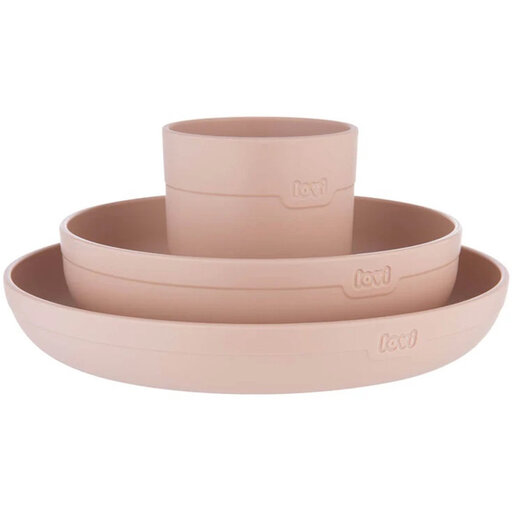
Why it suits this profile: This three-piece baby tableware set is designed for children aged 6 months and over who are starting to explore eating and drinking independently.
The age recommendation, rounded edges and simple design make it clear what the tableware is for. It also means you won’t end up with a large set full of parts you don’t use.
Includes a plate, bowl and open cup; according to the product information, it is suitable for the dishwasher, microwave and freezer.
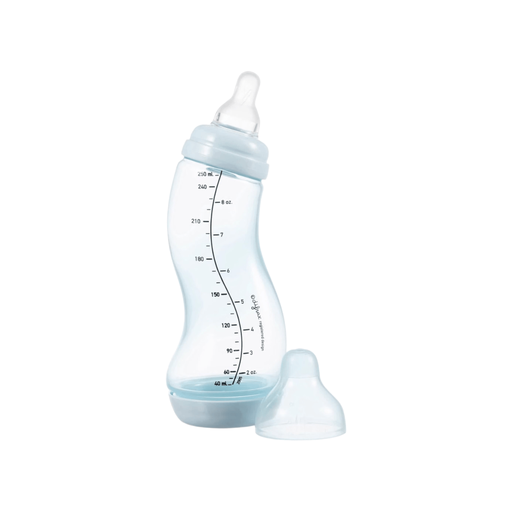
Why it suits this profile: This bottle has a 250 ml capacity, an S-shaped teat and a removable base, making it a good choice for parents who value easy-to-check parts and thorough cleaning.
The product information lists all the separate parts and care steps, so you can see in advance that this bottle needs more attention than a simple two-piece model.
250 ml capacity, PP bottle body, silicone teat and a base valve; suitable from birth according to the product information.
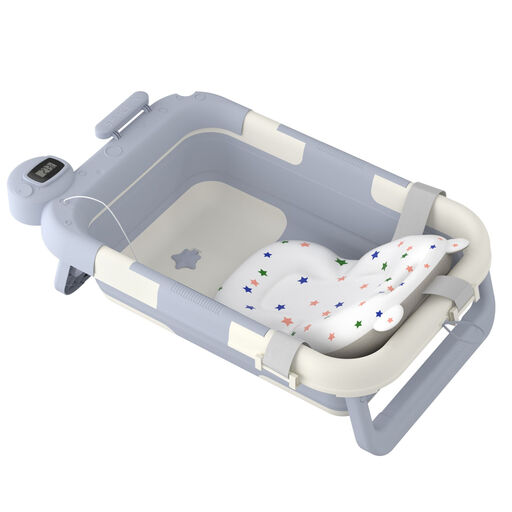
Why it suits this profile: The foldable design is ideal for small bathrooms, staying with friends or family, and travelling, where storage space is limited.
The listed dimensions show the bath both folded and unfolded. The thermometer helps you check the water, but you must still supervise your baby closely during bath time.
Folds down to approximately 42 × 29 × 11.5 cm and features a drain, removable washable cushion and PP/TPE materials, according to the product description.
We’ve put together a complete, up-to-date list of products that meet these strict selection criteria and current European safety regulations.
For the first few months, practical basics include a suitable baby bottle or breastfeeding accessories, a few spare teats, a safe soother, care products, and suitable sleeping and bathing solutions. From around 6 months, you can add baby tableware, a training cup and baby food accessories. Shop for each stage of your child’s development rather than buying complete sets just for the sake of it.
Check teats and valves before every use. Replace them if you notice cracks, stickiness, distortion or other signs of wear. For the Difrax Natural newborn soother, the product information recommends replacing it after six weeks, as well as checking it daily. Always follow the instructions on your product’s packaging.
A baby formula maker can save time and help you follow a consistent routine. The purchase price, electricity costs and time spent cleaning it every day all contribute to the overall cost. Before you decide, compare its capacity, compatibility with your formula, cleaning frequency and any accessories you’ll need.
