
Vandaag of morgen in huis

Kwaliteit gegarandeerd

Welkomstaanbiedingen ontgrendelen: GRATIS bezorging | Tot 80% korting | Gratis 30 dagen JoyPlus-proefperiode
Download de app
Baby care involves much more than a bottle of lotion and a pack of nappies. There are dozens of options for bath time, dry patches, sun protection, hygiene and oral care. That can make choosing difficult, especially when packaging uses terms such as “gentle”, “natural” or “for sensitive skin”.
So the right choice starts not with an appealing claim, but with age, intended use, ingredients and instructions for use.
A product may be described as gentle and still contain perfume, fragrance or ingredients your child is sensitive to. Always check the full ingredients list. For sensitive baby skin, a short formula without unnecessary fragrance is often easier to assess.
Pay attention to brand information, too. For example, according to Zwitsal’s product description, its Body Lotion contains perfume and several fragrance-related allergens. That doesn’t automatically make the product unsuitable, but it does call for extra care if your baby has sensitive skin or known allergies.
A 500 ml bottle may look like a good deal, but lotion, oil and cream aren’t needed for every care routine. Check the volume, expiry date and recommended period of use after opening. A smaller product may be more practical for trying it out or keeping in a changing bag.
It’s also worth calculating the price per 100 ml or per item when comparing multipacks. That way, you can compare baby care products based on their real cost in use, rather than just the price on the label.
When choosing sun cream for children or babies, a high SPF is only one part of the picture. Babies and young children should stay out of direct sunlight as much as possible, and wear protective clothing and a hat while spending time in the shade. Apply plenty of sun cream and reapply after swimming, towelling dry or sweating.
According to NIVEA’s product information, some sprays are extra water-resistant. That doesn’t mean you can skip reapplying. Always follow the label and age guidance.
Start by choosing the right type of product:
Bath time doesn’t need to be long or happen every day. Lukewarm water, a quick wash and gently patting your baby dry help reduce unnecessary stress on their skin. Use a cleanser only where needed and avoid contact with the eyes.
Make sure the age guidance is right for your child. According to the product information, NIVEA SUN Babies & Kids Sensitive Sunscreen Spray is intended for babies and children from 6 months. For younger babies, shade and covering clothing are especially important. If in doubt, check the instructions on the packaging.
Also check:
Claims such as “SLES-free”, “microplastic-free” or “fragrance-free” describe product features you can check, but they don’t tell you everything about whether a product is suitable overall. A product without one particular ingredient may still contain other substances that someone reacts to.
If you wish, test a new baby cream or baby lotion on a small area of skin first. Stop using it if redness, itching or irritation occurs, and seek medical advice if symptoms persist. If skin problems are severe or keep coming back, choosing a product is no substitute for advice from your GP or health visitor.
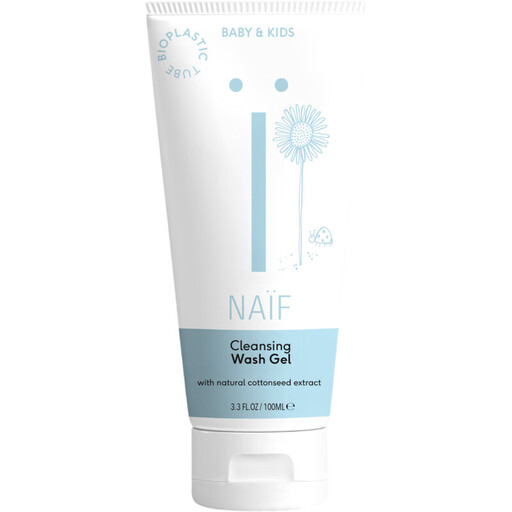
Why it suits this profile: A straightforward wash gel for bath or shower time, ideal if you’re looking for one product for both babies and children.
The product description states that it has a soap-free formula without SLES or microplastics. Always check the packaging for the current ingredients list.
200 ml, suitable for babies and children, and designed for use during baths or showers.
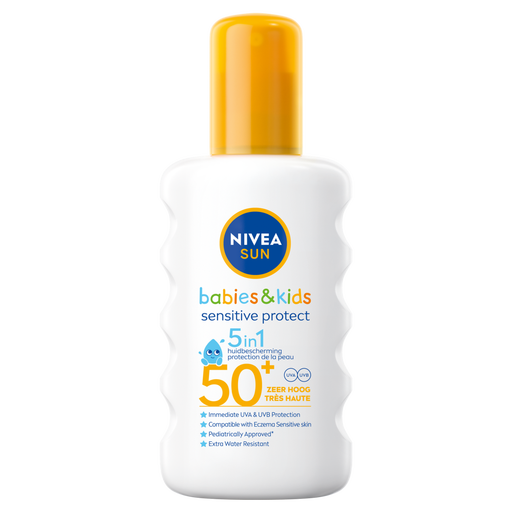
Why it suits this profile: For families who spend plenty of time outdoors and want a larger pack with a high SPF for children from 6 months.
The product information states that it is fragrance-free, has SPF 50+ and should be reapplied after swimming, towelling dry or sweating. Spray it into your hands before applying to the face.
200 ml, SPF 50+, UVA/UVB protection according to the product information, and an extra water-resistant formula.
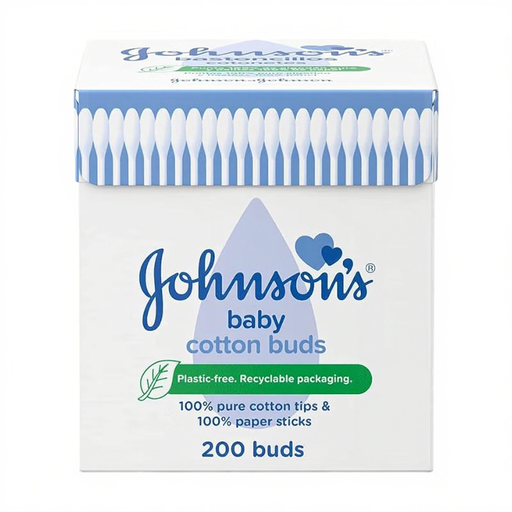
Why it suits this profile: Handy for care on the go or small external cleaning tasks when you need a compact hygiene product.
The product information mentions rounded cotton tips, but warns against putting the bud into the ear or nose.
200 buds, 100% cotton tips and paper stems. For external use only; dispose of after one use.
We’ve put together a complete, up-to-date list of products that meet these strict selection criteria and the applicable European safety regulations.
It depends on your baby’s skin and daily routine. Cleansing usually doesn’t need to be extensive or take long. Use baby cream, baby lotion or baby oil when your baby’s skin feels dry or when it suits your care routine. If your baby has sensitive skin, it’s best to introduce one new product at a time so you can spot any reaction more easily.
Baby oil is often applied to slightly damp skin. According to the product information, Johnson’s Baby Oil helps leave skin feeling soft and is intended for use after a bath or during a massage. Oil can make your baby’s skin and the bath slippery, so always hold your baby securely and never leave them alone in the bath.
Check the age guidance and fluoride content. According to the product information, Prodent Junior Enamel Protector is intended for children aged 6 to 13 and contains 1000 ppm fluoride. Younger children need different amounts and guidance. For children under 6, use a pea-sized amount and supervise brushing in line with the instructions on the packaging or advice from your dentist or health visitor.
