
Vandaag of morgen in huis

Kwaliteit gegarandeerd

Welkomstaanbiedingen ontgrendelen: GRATIS bezorging | Tot 80% korting | Gratis 30 dagen JoyPlus-proefperiode
Download de app
The transition from milk to first bites is a milestone for both you and your baby. It's a period filled with new flavours and textures, but it can also bring up questions. When is the right time to start? What foods should you offer? And which dinnerware is safe and practical? This article is designed to help you make informed choices for starting solid foods, with clear information and specific product recommendations.
Before you make any purchases, there are a few practical things to consider. These tips will help you select products that suit your child's needs.
Most babies are ready for their first starter foods between 4 and 6 months. Signs include being able to sit upright with support, showing interest in your food, and losing the tongue-thrust reflex. Until 6 months, breast milk or formula remains the primary source of nutrition. These first bites are purely complementary, helping your baby get used to new tastes.
Starting with a single-ingredient vegetable puree is a common approach. Vegetables have a mild, pure flavour. Introduce one new flavour at a time and wait a few days before offering something new. This allows you to monitor for any potential reactions.
As your little one learns to self-feed, a good kids' mealtime set becomes essential. Safety is the top priority. A silicone baby feeding set is a popular choice. This material is soft, unbreakable, and easy to clean.
When buying, look for the following specifications:
Based on product specifications and functionality, we've selected a few products that can support the journey into first foods.

Why It Stands Out This meal set combines functionality with a playful design. The dinosaur shape can help keep your child's attention during meals, making the experience more fun. The set is made from silicone, a flexible and durable material.
Key Features
Who It's For For parents looking for a practical yet fun meal set to make mealtimes more engaging for their child.
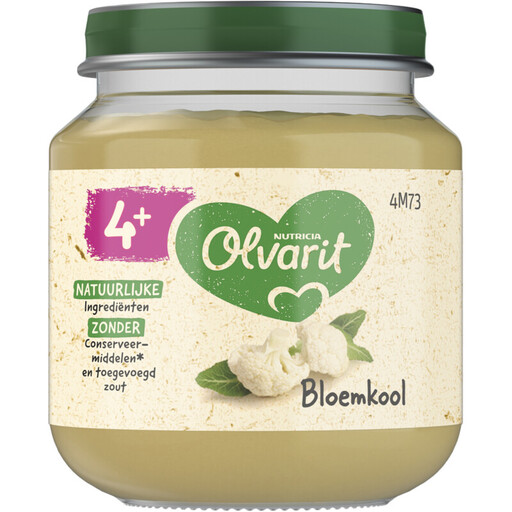
Why It Stands Out This vegetable puree from Olvarit is ideal for the very first tastes. The ingredient list is simple: 100% cauliflower. This makes it easy to introduce your baby to a single, pure flavour. According to the manufacturer, Danone Nederland B.V., the product contains no preservatives.
Key Features
Who It's For For caregivers who want to start with a simple and pure vegetable puree and prefer the convenience of a ready-made product.
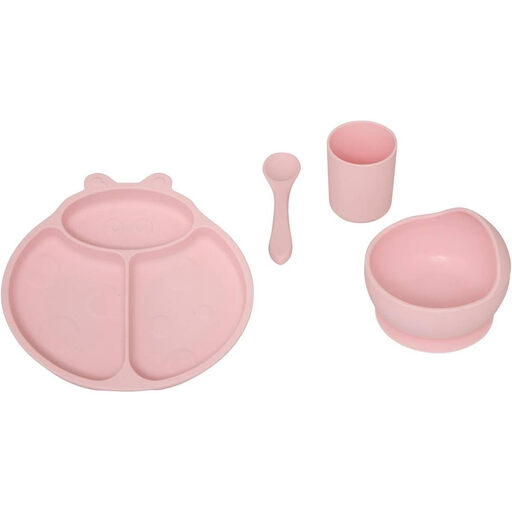
Why It Stands Out This 4-piece set provides a complete starter kit for your child's meals. The set is made from 100% food-safe silicone and is designed for ease of use. A key feature is the non-slip base, which helps prevent the plate and bowl from sliding.
Key Features
Who It's For For parents seeking a neutral, functional, and complete kids' mealtime set that is built to last and supports their child's self-feeding journey.
The transition to solid foods is unique for every child. Perhaps you're looking for a different type of plate, other cutlery, or want to explore various flavours of vegetable and fruit purees.
Explore our full collection of baby mealtime essentials for more options that suit your needs and your child's developmental stage.
The general guideline is to start with starter foods between 4 and 6 months. Pay close attention to your baby's readiness cues: can they sit upright with support, do they show interest in food, and have they stopped automatically pushing food out with their tongue? When in doubt, it's always a good idea to consult with your paediatrician or health clinic.
A silicone baby feeding set is popular for several practical reasons. The material is unbreakable, which is useful when a plate inevitably falls on the floor. It's soft on a baby's gums and emerging teeth. Additionally, most silicone sets are easy to clean (dishwasher-safe) and free from harmful substances like BPA.
There's no strict rule, but many experts recommend starting with a single-ingredient vegetable puree. The reasoning is that vegetables are generally less sweet than fruit. By starting with vegetables, your child can get accustomed to savoury flavours first. The most important thing is to introduce one new taste at a time and give your child time to get used to it.
