
Vandaag of morgen in huis

Kwaliteit gegarandeerd

Welkomstaanbiedingen ontgrendelen: GRATIS bezorging | Tot 80% korting | Gratis 30 dagen JoyPlus-proefperiode
Download de app
Buying baby milk powder seems straightforward, until you have to choose between infant formula, follow-on milk from 6 months and toddler milk from 1 year. The packaging often looks similar, even though the age guidance, preparation instructions and contents can differ. A larger pack is not automatically better value either, if your child won’t use the milk before it needs to be discarded after opening.
As a Joybuy Product Recommendation Officer, I focus on the practical details in product information. That makes it easier to find a milk powder for children that suits your child’s age, how you’ll use it at home and your budget.
A familiar brand name doesn’t tell you which variant is suitable. Nutrilon 1 is intended from birth to 6 months, while Nutrilon 2 is follow-on milk for babies from 6 months. According to the product information, Nutrilon 3 is suitable for babies aged 10 to 12 months, and Nutrilon 4 is for children from 12 months. The numbers aren’t a general ranking of quality; they refer to different age stages.
Terms such as fibre blends, milk fat and vitamins can be relevant when comparing ingredients. However, you shouldn’t assume what effect they’ll have. Nutricia’s own research says that some Nutrilon packs refer to a combination of scGOS/lcFOS and 3’GL fibres. This is information from the brand, not a guarantee of an individual result.
Read claims about vitamins carefully, too. According to the product description, Nutrilon 6 contains vitamins C and D, as well as iron. The packaging also lists permitted nutrition claims about normal bodily functions. Don’t use these claims as a substitute for personal advice from your health visitor, doctor or dietitian.
An 800 g pack, a multipack of 4 x 800 g or a 1.2 kg value pack may lower the price per gram. Even so, stocking up isn’t always practical. According to the relevant product information, opened baby milk powder generally needs to be used within about four weeks. Prepared formula has a much shorter storage time. Always check the packaging and prepare the right amount for each feed.
First, choose the right stage:
Look out for conflicting information between a product page and the packaging. If in doubt, follow the label and ask a qualified healthcare professional for advice.
Check for milk, soya and fish oil before you order. Many products in this category contain one or more of these allergens. Also compare the product’s base ingredients: lactose, milk powder, whey protein, vegetable oils, milk fat and any added fibre.
Ordinary milk powder is not the same as infant formula. The Two Cows variants for children aged 2 and over are described as regular whole or skimmed milk powder, and are not suitable as food for babies or as a replacement for formula.
Always use the measuring scoop provided and follow the mixing ratio on the packaging. Different products may, for example, specify around 14.4 to 14.6 grams of powder per 100 ml of water. Don’t assume the ratios are interchangeable.
Also check:
An 800 g tin is handy for regular use. A 400 g pack may be a better choice if you want to try a new variant first.
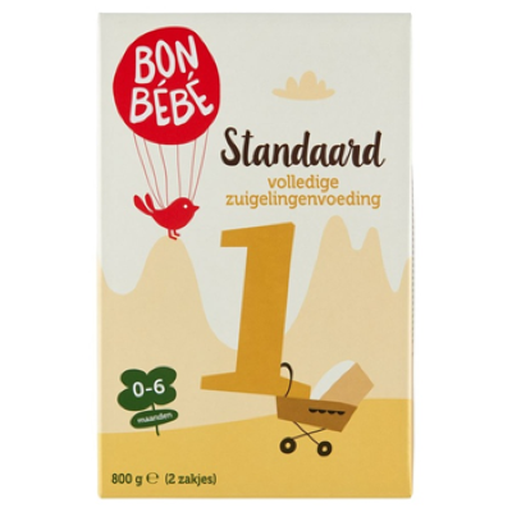
Why it suits this profile: The smaller packs are practical if you’re looking for formula from birth and don’t want to buy a large supply straight away.
The 0–6 months age stage is clearly stated. Before use, check the preparation instructions and allergens on the packaging.
Complete infant formula according to the product description; 2 packs of 400 g.
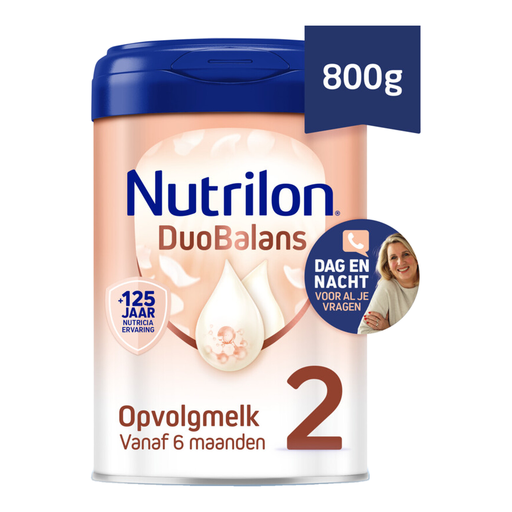
Why it suits this profile: This 800 g pack is aimed at parents who want to compare a detailed ingredients list and clear preparation information for babies from 6 months.
The product information clearly states that this variant is for babies from 6 months and should be part of a varied diet.
800 g; according to the ingredients list, contains GOS, FOS and 2’-fucosyllactose, among other ingredients; milk, soya and fish are listed as allergens.
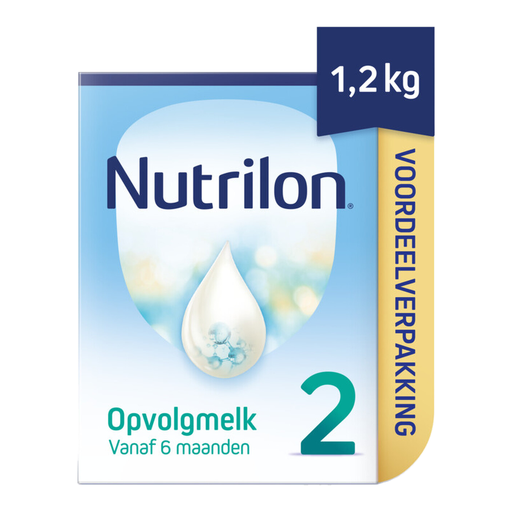
Why it suits this profile: A 1.2 kg value pack suits families who use formula for babies from 6 months every day and have enough storage space.
The larger size may mean you need to buy it less often, but first check daily use and how long it keeps after opening.
1.2 kg; intended for babies from 6 months; the product description recommends 14.4 g of powder per 100 ml of water.
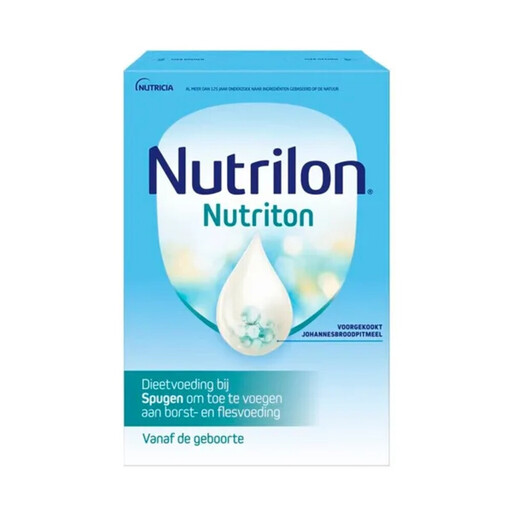
Why it suits this profile: This isn’t a complete infant formula, but an addition to breast milk or formula for a specific feeding need.
The product description clearly states that medical supervision is required and that this product isn’t intended as a sole source of nutrition.
135 g pack; contains pre-cooked carob bean gum; suitable from birth according to the product information, but not for premature babies.
We’ve put together a complete, up-to-date list of products that meet these strict selection criteria and the applicable European safety requirements.
It varies by brand and pack. The products mentioned often state that the powder should be used within about four weeks of opening. Seal the pack tightly, store the powder in a dry place, and always follow the date and instructions on the label.
That depends on the price per 100 grams and how much you use. Divide the price by the weight, then also check how long it keeps after opening. A baby milk value pack makes most sense when your child uses the same variant every day.
Follow-on milk is intended for the next stage after the first few months, usually from 6 months. Toddler milk from 1 year or from 2 years is intended for older children and forms part of a varied diet. Always check the age guidance and, if in doubt, ask your health visitor or doctor for advice.
