
Vandaag of morgen in huis

Kwaliteit gegarandeerd

Welkomstaanbiedingen ontgrendelen: GRATIS bezorging | Tot 80% korting | Gratis 30 dagen JoyPlus-proefperiode
Download de app
Baby wipes are handy when changing nappies, when you’re out and about, and for cleaning mucky hands or faces. However, nappy wipes can vary considerably in their ingredients, moisture level, size and packaging. A low price per pack does not always mean a lower cost per wipe or greater ease of use.
For parents and carers, three potential pitfalls are particularly important:
When choosing baby wipes for sensitive skin, many parents prefer a short ingredients list. Fragrance-free baby wipes contain no added fragrance, while alcohol-free baby wipes contain no alcohol according to the product information. This may be a sensible choice if you want to avoid unnecessary fragrances.
Also look out for terms such as “sensitive”, “water-based” and “pH-neutral”. These terms only have meaning when considered alongside the full product description. According to Pampers’ own information, certain Sensitive variants are dermatologically tested, fragrance-free, alcohol-free and suitable from birth. Always check the packaging for the latest ingredients and usage instructions.
A fragranced product is not automatically unsuitable. According to the product description, Pampers Fresh Clean Baby Wipes have a gentle fresh scent and are alcohol-free. Zwitsal Lotion Diaper Wipes contain lotion and chamomile extract, as well as the familiar Zwitsal fragrance, according to the description. If you specifically want fragrance-free wipes, choose a variant without fragrance.
The fibres partly determine how a wipe feels and how strong it is. Some wet wipes for babies are made from plant-based fibres, while others are made from cotton, viscose or a synthetic blend.
Look out for these differences:
“Plastic-free” also does not mean that a wipe can be flushed down the toilet. Used baby wipes should go in the bin. Dry disposable wash mitts must not be flushed either.
A multipack of baby wipes may look appealing, but always compare the total number of wipes. A pack containing 15 packs of 80 wipes contains 1,200 wipes; a pack containing 18 packs of 60 wipes contains 1,080 wipes.
A resealable flap helps retain moisture. Close the pack immediately after use and store it in a cool, dry place away from direct sunlight. Check the expiry or usage information on the packaging. If the packaging is damaged, discoloured or smells unusual, it is best not to use the product.
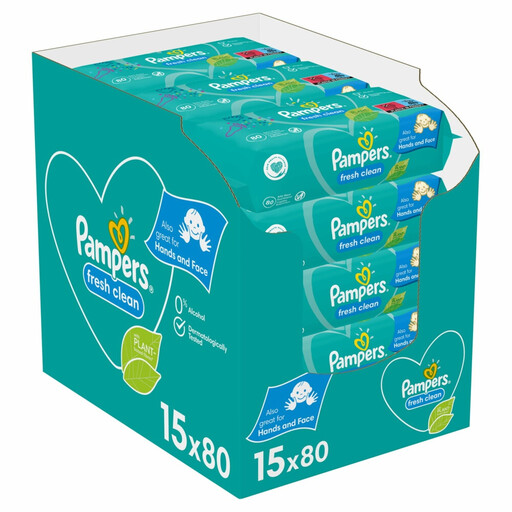
Why this suits the profile: The multipack is practical for families who use plenty of wipes every day for nappy changes, hands and faces.
The total quantity is clearly stated: 15 packs of 80 wipes. The closure is designed to help prevent the wipes from drying out. According to the product description, the wipes are alcohol-free.
1,200 wipes per order; suitable for bottoms, hands and faces; fresh scent according to the product description.
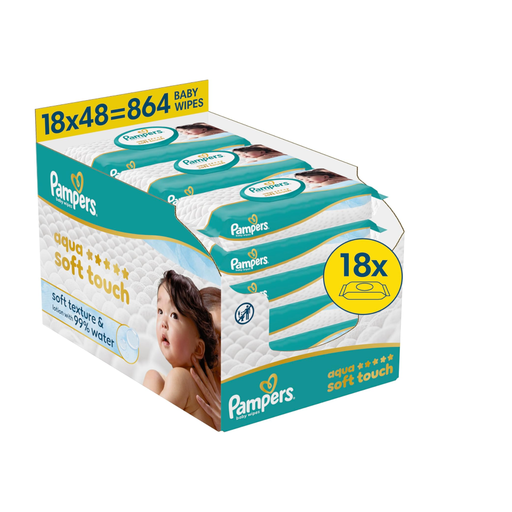
Why this suits the profile: A choice for parents who value a soft texture, a fragrance-free formula and plastic-free wipes.
The product description states that the wipes contain no alcohol or fragrance and mentions a 99% water emulsion. Check the current packaging when ingredients are a deciding factor.
Soft mesh texture; plastic-free according to the product information; 18 packs of 48 wipes.

Why this suits the profile: The extra-thick wipes are designed for frequent use and can be useful for bigger clean-ups or when you’re out and about.
The product information states that the wipes contain 99% purified water, have an unscented formula and are made from plastic-free plant-based fibres. “Three times thicker” is a brand claim; compare it with the information on the packaging.
960 wipes; OEKO-TEX certification according to the product description; unscented and intended for sensitive skin.
We’ve put together a complete, up-to-date list of products that fully meet these strict selection criteria and the applicable European safety regulations.
Keep a small pack in your changing bag and larger packs at home. For faces and hands, it may be useful to have a separate variant, so you do not automatically use a lotion wipe for every purpose. Dry cotton or plant-based wipes are another option: moisten them yourself with clean water, allowing you to control how wet they are.
Only use baby wipes from a securely sealed pack. Avoid contact with the eyes and stop using them if redness or irritation occurs. If skin problems persist, discuss using the product with a healthcare professional. Always dispose of used wipes in the general waste, even if the packaging uses different environmental terms.
Products labelled 99% water baby wipes contain a formula with a high water content, according to the product description. Some variants also state that they are fragrance-free, alcohol-free and suitable from birth. Always check the current ingredients list and age recommendation on the packaging. Every child may react differently to a product.
Close the flap or tab securely after every nappy change. Store the pack in a cool, dry place and do not leave it in direct sunlight or next to a radiator for long periods. With a large pack, it is practical to keep one smaller pack in the changing bag and leave the rest of the supply sealed.
No. Biodegradable baby wipes and plastic-free baby wipes must not go down the toilet either. Fibres can clump together in pipes and sewers. Use a bin with a securely closing lid and follow your local waste-disposal instructions.
