
Vandaag of morgen in huis

Kwaliteit gegarandeerd

Welkomstaanbiedingen ontgrendelen: GRATIS bezorging | Tot 80% korting | Gratis 30 dagen JoyPlus-proefperiode
Download de app
For parents of a newborn, baby wipes are a practical part of everyday care. Yet many packs look alike. Terms such as “mild”, “pure” and “extra soft” say little on their own about the ingredients or how the wipes should be used.
When choosing baby wipes for sensitive skin, there are three common pitfalls to watch out for:
If you’re looking for baby wipes suitable from birth, you’ll usually start by checking for a short, clear ingredients list. Alcohol-free baby wipes and fragrance-free baby wipes may suit parents who want to limit the number of ingredients that could cause irritation.
Also look out for terms such as:
A claim such as “hypoallergenic” does not guarantee that every baby will tolerate the wipes without any problems. According to BC Babycare’s product description, the wipes are hypoallergenic and fragrance-free. Check the current packaging and ingredients list before use.
A baby’s skin is delicate and is cleaned repeatedly during nappy changes. A pH-balanced formula is therefore a relevant product specification. Pampers states that the formula in its Sensitive range helps maintain the skin’s natural pH. This is a claim made by the brand in its product information, not a general guarantee for every child.
Be aware of the difference between pH-neutral baby wipes and pH-balanced wipes. “pH-neutral” usually means around pH 7, while a product can also be formulated to suit the skin’s natural acidity without having an exact pH of 7. So check the precise wording on the label.
A wipe that is too dry can create more friction, meaning you may need to use several wipes. A secure adhesive seal or plastic lid helps retain moisture after the pack has been opened.
When comparing wipes, check:
Even when wipes are marketed as biodegradable or environmentally friendly, used wipes should go in the bin. Pampers and BC Babycare’s product information warns against flushing them.
A small pack is handy for a changing bag or a visit to see a new baby. A multipack may be more convenient for everyday use at home. If you’re considering an offer such as 1,200 baby wipes, it’s sensible to keep packs in different places, but avoid opening them all at once. This helps the wipes stay moist.
Use this simple formula to work out the price per wipe:
Total price ÷ total number of wipes = price per wipe
Then compare the thickness and moisture level too. One thicker wipe may be enough in practice, whereas you might need two thinner ones. Without fixed pricing information, it’s not possible to determine in advance which pack offers better value.
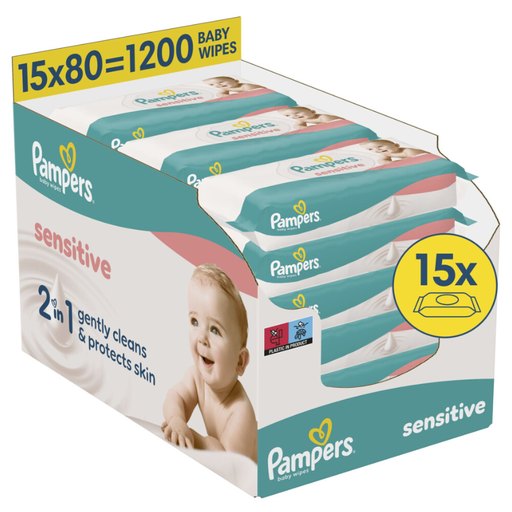
Why it suits this profile: This large pack contains 1,200 wipes, making it a practical choice for families who change nappies every day and want to work out the price per wipe in advance. According to the product information, they’re suitable from birth.
The product description says the wipes are fragrance-free, alcohol-free and dye-free. The seal is designed to help prevent them from drying out.
1,200 wipes; alcohol- and fragrance-free according to the product information; dermatologically tested according to the brand.
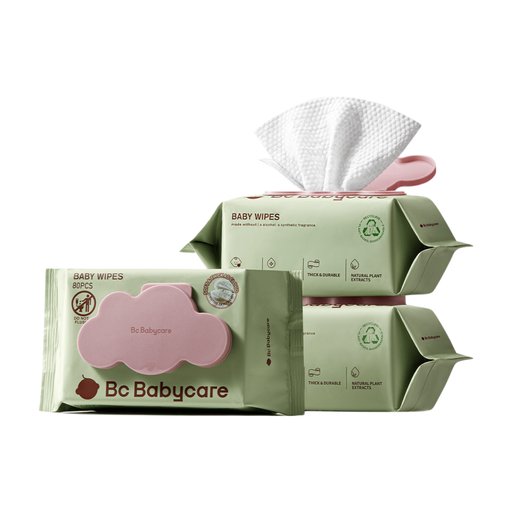
Why it suits this profile: This option is aimed at parents who value fragrance-free wipes, extra thickness and information about the material’s origins.
The description mentions 99% purified water, a fragrance-free formula and a wipe that the supplier says is three times thicker than many standard wipes.
80 wipes per pack; fragrance-free; OEKO-TEX certification, number 25.HUS.21538, according to the product information.

Why it suits this profile: The 960-wipe pack is handy for families who need several packs for the home, car and changing bag.
The supplier states that the wipes have a fragrance-free formula, contain 99% purified water and come in a resealable pack. This means you can keep opened packs wherever you use them.
960 wipes; plant-based and plastic-free according to the product description; fragrance-free.
We’ve put together a full, up-to-date list of products that meet these strict selection criteria and the applicable European safety regulations.
According to Pampers’ product information, Sensitive wipes are dermatologically tested and suitable from birth. They’re also described as alcohol- and fragrance-free. Always check the current packaging when you buy them, and use the wipes for external use only.
Not necessarily. Fragrance-free baby wipes avoid perfume, but the wipe material, preservatives and other ingredients can also affect the experience of using them. Stop using the wipes if redness or irritation occurs, and ask a healthcare professional for advice if symptoms persist.
Close the lid or adhesive strip immediately after each use. Store an opened pack in a cool, dry place, away from direct sunlight and heat. Don’t use wipes that are visibly dried out, discoloured or contaminated. Always put used wipes in the bin, not the toilet.
