
Vandaag of morgen in huis

Kwaliteit gegarandeerd

Welkomstaanbiedingen ontgrendelen: GRATIS bezorging | Tot 80% korting | Gratis 30 dagen JoyPlus-proefperiode
Download de app
A pack of baby wipes might seem like a simple choice, until you start comparing the ingredients, material and packaging. For newborns and babies with easily irritated skin, small differences can matter. Fragrance, alcohol, preservatives, moisture content and the softness of the wipe all affect how comfortable it is to use every day.
Words such as “mild”, “natural” or “for sensitive skin” don’t give you the full picture. Always check the ingredients list. A product might be fragrance-free but contain several preservatives, for example. On the other hand, a wipe with aloe vera might feel pleasant, but still not suit your preference for a shorter ingredients list.
Pay particular attention to:
Baby wipes containing 99% water usually include other substances to keep the product fresh and ready to use. Pampers, for example, lists a lotion containing 99% water, while the product information also names ingredients such as citric acid, sodium citrate and preservatives. So always check the full INCI list, not just the front of the pack.
According to the product information, WaterWipes contain 99.9% purified water and a small amount of grapefruit seed extract. The product information also mentions a trace of benzalkonium chloride. This is useful to know if you’re looking for wipes with as few additional ingredients as possible.
A wipe may be made from plant-based fibres or advertised as plastic-free, but it still shouldn’t be flushed down the toilet. Put used baby wipes in the bin. Unused wipes can also dry out if the seal isn’t closed properly.
For sensitive or eczema-prone skin, many parents choose fragrance-free baby wipes and alcohol-free baby wipes. This doesn’t guarantee that a product will suit every child. Stop using the wipes if redness or irritation occurs, and ask a healthcare professional for advice if symptoms persist.
“Hypoallergenic” and “dermatologically tested” are product claims made by the manufacturer. Treat them as useful information, not a personal guarantee. Pampers Sensitive, for example, states that its wipes are free from fragrance, alcohol and dyes, and are suitable from birth. The exact ingredients are still more important than a single label on the pack.
A thin wipe may tear more easily or lose its shape when dealing with a bigger mess. A thicker wipe can be more comfortable to use during a nappy change, but it often takes up more space in a changing bag.
According to the product information, BC Babycare wipes are made from plant-based cellulose and are three times thicker than many standard wipes. A higher moisture content is also listed. Check that the size and number of wipes suit your needs.
A large pack of baby wipes might seem like good value, but work out the price per wipe. Also consider:
A multipack with 720 or 1,200 wipes is practical for frequent everyday use, but less convenient if you want to try the wipes first and see how your baby’s skin responds.
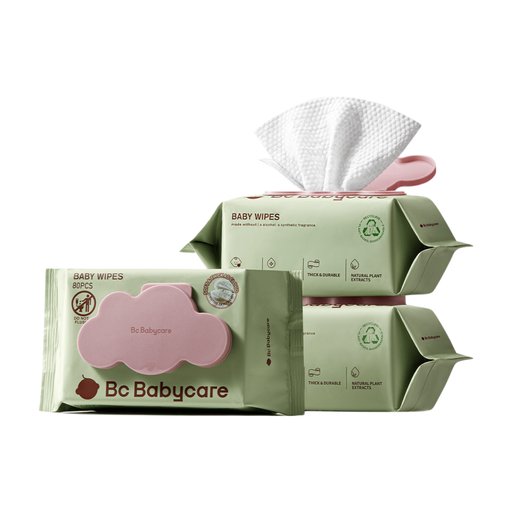
Why it suits this profile: A smaller pack of 240 wipes is a good way to try them and see if the moisture level, texture and ingredients suit your baby.
The product information states that the wipes are unscented and contain 99% purified water. This makes it easier to check the ingredients and pack size before buying a large multipack.
240 wipes; unscented according to the product information; OEKO-TEX certification number listed; plant-based fibre material.
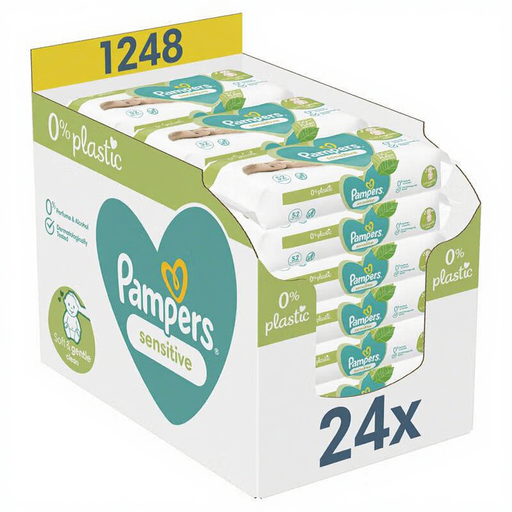
Why it suits this profile: The large pack is ideal for families who change nappies often and want fragrance-free, alcohol-free wipes made with plant-based fibres.
The product information states that the wipes contain 0% plastic and are free from alcohol, fragrance and dyes. Check the packaging yourself, though, as product formulations can change.
24 packs of 52 wipes; suitable from 0 months according to the product information; plant-based material; unscented.
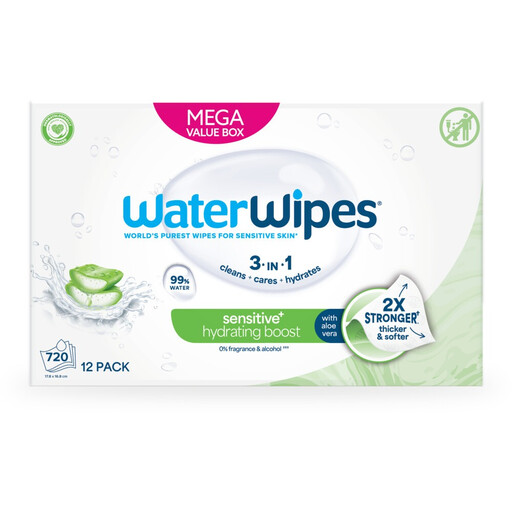
Why it suits this profile: The pack of 720 wipes is handy for frequent use at home, with several nappy changes a day, or for keeping in stock.
The product information states that the wipes contain more than 99% water, are fragrance-free, plastic-free and biodegradable. It also lists the grapefruit seed extract and trace of benzalkonium chloride.
720 wipes; suitable from birth according to the product information; more than 99% water; plastic-free material.
We’ve put together a complete, up-to-date list of products that meet these strict selection criteria and comply with the applicable European safety regulations.
Look for a clear age indication such as 0+ months or “from birth”. Pampers Sensitive and several WaterWipes products state in their product information that they can be used from birth. Always check the ingredients list too, and use wipes externally only.
Shelf life varies by brand and packaging. Check the date on the pack and any guidance on how long to use the wipes after opening. Seal each pack straight after use and store it in a cool, dry place away from direct sunlight. WaterWipes, for example, states that its wipes may have a shorter shelf life after opening than products containing more preservatives.
According to the product information, some plastic-free baby wipes are made from biodegradable plant-based fibres. That doesn’t mean you can flush them down the toilet. Always put used wipes in your general waste bin and follow your local council’s waste disposal guidance.
