
Vandaag of morgen in huis

Kwaliteit gegarandeerd

Welkomstaanbiedingen ontgrendelen: GRATIS bezorging | Tot 80% korting | Gratis 30 dagen JoyPlus-proefperiode
Download de app
With a newborn, you’ll often use several wipes a day. A large value pack might seem tempting, but a low price doesn’t tell you much about the ingredients, moisture level or practicality. If you only look out for words like “natural”, “water-based” or “sensitive”, you could still end up with wipes that dry out quickly, tear easily or don’t suit your baby’s skin.
As a Joybuy Product Recommendation Officer, I filter product information based on verifiable points. Below, you’ll find out what to look for in baby wipes for sensitive skin, which claims to examine critically, and which options suit different situations.
Baby wipes containing 99% purified water often also include preservatives, moisturisers or cleansing ingredients. That isn’t necessarily a problem, but always check the full ingredients list.
A wipe labelled “99% purified water” may, for example, also contain glycerine, citric acid, sodium benzoate or plant extracts. For sensitive skin, it’s wise to try one pack first and monitor how the skin reacts.
A pack with 1,200 wipes might seem good value, but also consider:
Extra-thick baby wipes can pick up more dirt per change, meaning you might need fewer wipes. That advantage depends on the situation and isn’t a guaranteed benefit.
Plastic-free baby wipes and biodegradable baby wipes should not be flushed down the toilet. Fibres can cause problems in pipes and sewage systems, even when a product is described as biodegradable. Always dispose of used wipes in the general waste bin, unless the packaging and local waste regulations explicitly state otherwise.
For sensitive skin, many parents choose unscented baby wipes and baby wipes without alcohol. As well as fragrance and alcohol, also look out for plant extracts and preservatives. A short ingredients list makes comparison easier, but doesn’t in itself tell you how the skin will react.
For example:
Brand claims about gentleness, skin protection or clinical tests should be read as brand claims. According to Pampers’ own information, Pampers Sensitive wipes are dermatologically tested and clinically tested for mildness. That is not a personal guarantee for every baby.
Moist baby wipes are only practical if they stay moist until the last wipe. So check whether the packaging has a sturdy lid or seal. Close the pack immediately after use and store it in a cool, dry place, away from direct sunlight and heat sources.
A very wet wipe can be pleasant for a big nappy change, but may also leave more lotion behind. A drier wipe can cause more friction. The right balance varies depending on the situation.
Thickness and material determine how well a wipe holds its shape. The BC Babycare variants are described as three times thicker than many standard wipes and use plant-based cellulose fibres. The product information also mentions an OEKO-TEX certification with number 25.HUS.21538 Hohenstein. Always check certification details on the packaging or via the current product page.
Pampers Sensitive Plastic Free is described as being made from 100% plant-based fibres and containing no plastic. WaterWipes Hydrating also mentions plastic-free and biodegradable wipes. These material claims mainly refer to the wipe itself; the packaging may still contain plastic.
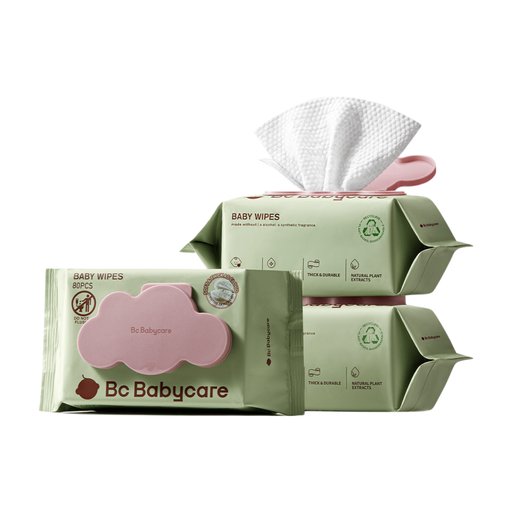
Why this fits: A smaller bundle of 240 wipes is handy for trying them out before buying a larger stock.
The ingredients and the absence of fragrance are stated, so you don’t have to rely solely on the front of the packaging.
80 wipes per pack, 99% purified water according to the product information, unscented and described as three times thicker than standard wipes.

Why this fits: With 960 wipes, this bundle is ideal for families who change nappies regularly and want to reorder less often.
The quantity per pack and the total number of wipes are clearly specified. Store unopened packs in a dry place and seal opened packs properly.
960 wipes, plant-based cellulose fibres according to the product description and an OEKO-TEX reference with certificate number.
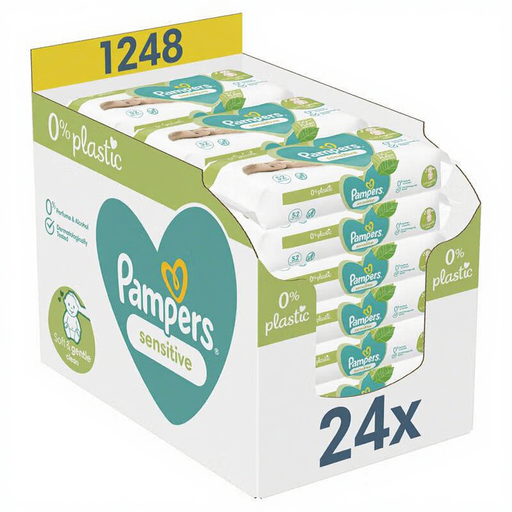
Why this fits: An option for families who specifically look for plant-based fibres and a fragrance- and alcohol-free formula.
The product information states 0% plastic in the wipe and 780 wipes in total. Still dispose of used wipes in the general waste bin.
15 packs of 52 wipes, free from fragrance, alcohol and colourants according to the product description.
Browse a current selection of wipes based on quantity per pack, material and usage situation.
If skin problems persist, you can ask your GP or health visitor for advice. Baby wipes are not a substitute for medical treatment.
Not automatically. Unscented is a useful feature, but also check the other ingredients, age recommendation and usage warnings. For a newborn, try a small pack first and watch for any skin reaction.
This varies by brand and pack. The product information may state a specific period after opening; also follow the expiry date on the pack. Close the lid immediately after use and don’t store the wipes in a hot car or near a radiator.
No, don’t assume that. Biodegradable describes the material and doesn’t automatically mean it’s suitable for sewage systems. Dispose of used wipes in the bin and follow local waste regulations.
