
Vandaag of morgen in huis

Kwaliteit gegarandeerd

Welkomstaanbiedingen ontgrendelen: GRATIS bezorging | Tot 80% korting | Gratis 30 dagen JoyPlus-proefperiode
Download de app
When choosing baby wipes for sensitive skin, it’s not just about finding a low price or a familiar-looking pack. The ingredients, material and packaging all affect how well the wipes work when changing your baby, when you’re out and about, or when cleaning little hands and faces. This is especially important for newborns and babies with skin that reacts easily. It’s worth checking verifiable product specifications alongside any marketing claims.
The description baby wipes with 99% purified water sounds simple, but these wipes often contain other ingredients too, such as preservatives, glycerine, citric acid or fragrance. Always check the ingredients list on the product page and packaging. A fragrance-free, alcohol-free formula can be a practical choice if you want to avoid unnecessary fragrance.
Plastic-free baby wipes and biodegradable baby wipes should not automatically be put down the toilet. Wipes can block pipes, whatever they’re made from. The product information for the recommended wipes states that they should not be flushed. Put used wipes in the bin, even if another product is labelled “flushable”.
A multipack with lots of wipes may look like good value, but thin wipes can tear more easily or mean you need several for each change. Check the thickness, moisture level, size and closure too. A resealable lid helps stop the pack from drying out, especially if you use the wipes every day.
Many parents looking for wipes for sensitive skin choose fragrance-free baby wipes and alcohol-free baby wipes. These are useful selection criteria, but check that they’re actually listed in the product specifications. “Mild” or “gentle” isn’t a technical standard on its own.
Some products also carry claims such as “hypoallergenic”, dermatologically tested or suitable from birth. Treat these as product claims: according to the Pampers Sensitive product description, these wipes are alcohol- and fragrance-free, dermatologically tested and suitable from birth. If skin irritation occurs, stop using them and follow the instructions on the packaging or ask a healthcare professional for advice.
If you want to use less plastic, look for plant-based fibres, cellulose and a statement about biodegradability. According to the product description, BC Babycare wipes are made from 100% biodegradable plant-based fibres and are plastic-free.
A certification is more useful when the certificate number or certifying organisation is provided. BC Babycare products list OEKO-TEX certification, number 25.HUS.21538 Hohenstein. When your order arrives, check that the information on the packaging matches the product page. A certification doesn’t guarantee that every child will tolerate a product without any problems; individual sensitivities are still possible.
Extra-thick baby wipes can be handy for bigger messes, as they’re less likely to tear. According to the product description, BC Babycare wipes are described as three times thicker than many standard wipes. The same description claims they contain 3.8 times more moisture. These are manufacturer or seller claims, so use them as a guide for comparison rather than as a guaranteed result in every situation.
Also look for:
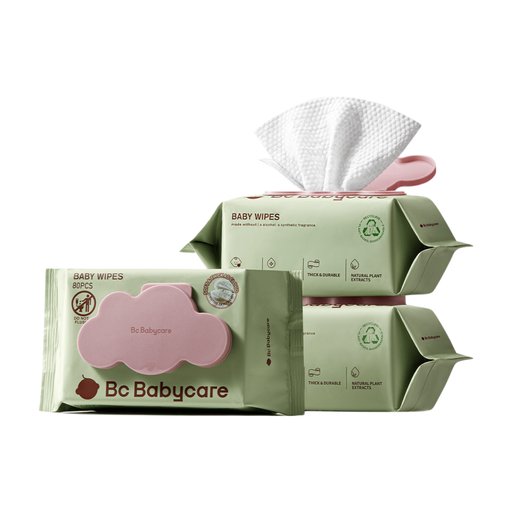
Why it suits this need: A small pack is handy for trying the wipes first or keeping as a spare in your changing bag. According to the product description, the wipes are fragrance-free, contain 99% purified water and are suitable for sensitive skin.
The smaller number of wipes helps limit waste if the formula or thickness isn’t right for your needs. The product information also says to close the pack securely and not to flush the wipes.
60 wipes across six packs, plant-based fibres according to the product description, and OEKO-TEX certification with a certificate number provided.
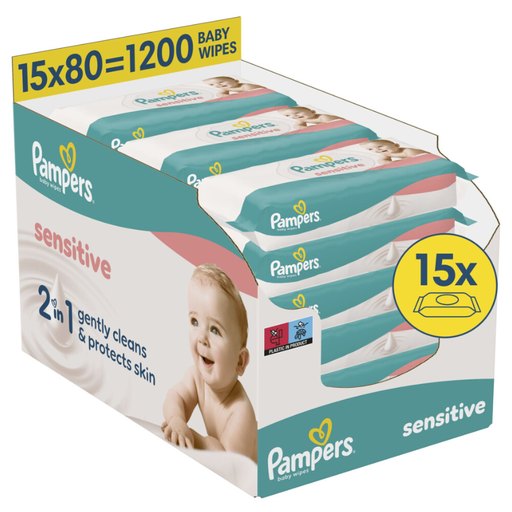
Why it suits this need: This multipack is ideal for families who use lots of wipes every day and want to keep a regular supply on hand for nappy changes, hands and faces.
According to Pampers, the wipes are fragrance- and alcohol-free and have a pH-balanced formula. Check the current packaging and ingredients if this is important for your family.
1,200 wipes, dermatologically tested according to the product description, and suitable from birth according to the age guidance.

Why it suits this need: This large supply is designed for families who change nappies several times a day or need wipes for outings, home and nursery.
The product description mentions a structure that’s three times thicker, with extra moisture. This may mean you need fewer wipes, although actual use will depend on the situation.
960 wipes, fragrance-free, OEKO-TEX certification listed and, according to the product information, made from plastic-free, biodegradable plant-based fibres.
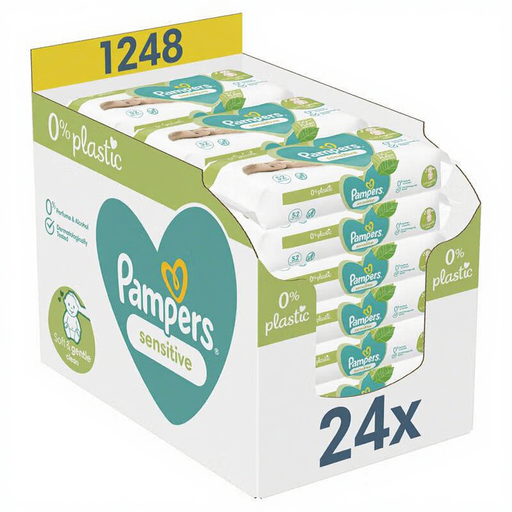
Why it suits this need: This option is for anyone looking for plastic-free wipes for everyday care who also wants a large pack.
According to the product description, the wipes are made from 100% plant-based fibres and contain no alcohol, fragrance or colourants. Don’t use them as flushable toilet paper.
780 wipes, a plastic-free material claim, fragrance-free and suitable from birth according to the stated product specifications.
We’ve put together a full, up-to-date list of products that meet these strict selection criteria and the applicable European safety requirements.
Check the age guidance, ingredients and warnings on the packaging. According to the product description, some Pampers Sensitive wipes are suitable from birth. This doesn’t mean every baby will react in the same way. If you’re unsure, try them carefully on a small area of skin first, and stop using them if redness or irritation occurs.
Close the lid or pack straight after use and store the wipes somewhere cool and dry, away from direct sunlight and heat. You can pair a large multipack with a smaller pack for your changing bag. That way, you won’t need to keep the whole supply open.
Work out the price per wipe by dividing the total price by the number of wipes. Then compare the thickness and moisture level too. A cheaper, thinner wipe may not be as good value in practice if you need to use several at a time. Also consider disposal costs and whether you prefer plastic-free or biodegradable materials.
