
Vandaag of morgen in huis

Kwaliteit gegarandeerd

Welkomstaanbiedingen ontgrendelen: GRATIS bezorging | Tot 80% korting | Gratis 30 dagen JoyPlus-proefperiode
Download de app
As a parent, you want only the best for your child, and that starts with daily care. Choosing the right baby wipes can be overwhelming. The shelves are packed with different brands, each with its own promises. Especially for sensitive skin, you want to make a well-informed choice.
This guide is here to help. We'll lay out the facts and provide practical tips so you can decide which baby wet wipes are the best fit for your family. We'll look at ingredients, materials, and packaging to help you make a choice you can feel good about.
Before we look at specific products, here are a few key points to help you compare baby wipes.
A baby's skin is thin and delicate. That's why it's wise to check the ingredients list carefully. Many parents prefer fragrance-free baby wipes and alcohol-free options to minimize the risk of irritation. Wipes that consist mostly of water (often 99% or more) are typically a gentle option, especially for baby wipes for sensitive skin. Look for terms like 'hypoallergenic' and 'dermatologically tested', but always check the full list yourself.
A thin wipe can tear, or you might need to use several for one diaper change. Thicker, more durable wipes often feel softer and clean more effectively. Some wipes are made from plant-based fibers, which can be a consideration if sustainability is a priority for you. The texture, such as an embossed pattern, can also help remove messes more efficiently.
Babies go through a significant amount of wipes. A bulk pack of baby wipes is often more economical and ensures you won't run out as quickly. Keep an eye out for a baby wipe deal to save even more. By buying in bulk, you significantly lower the price per wipe.
Based on product specifications and popular features, we've highlighted a few options for you.
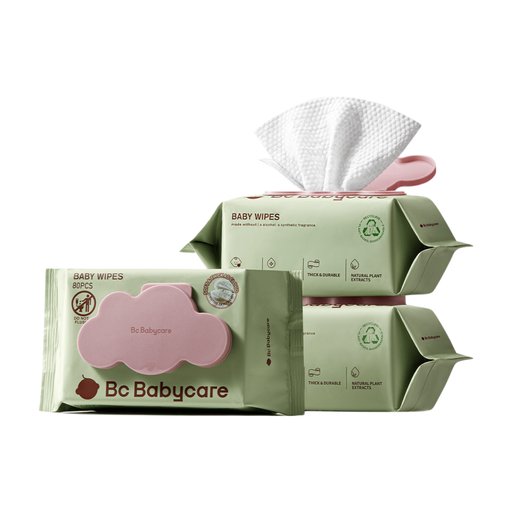
Why It Stands Out These wipes are specifically designed with the most sensitive skin in mind. They consist of 99% purified water and, according to the manufacturer, are 3 times thicker than many standard wipes. The OEKO-TEX certification indicates that the textile has been tested for harmful substances.
Pros
Who Is It For? For parents looking for a premium, plant-based wipe for newborns and babies with very sensitive skin.

Why It Stands OutPampers baby wipes are a household name. This Sensitive version comes in a convenient bulk pack of baby wipes containing 1200 units. According to Procter & Gamble, the unique pH-balanced formula helps maintain the skin's natural pH level to help prevent irritation.
Pros
bulk pack of 15 packs.Who Is It For? For parents who prefer a trusted brand and want to stock up to save on costs.
In addition to wipes for skin, there are also wipes that are useful for quick clean-up jobs.
Note: The wipes below are all-purpose cleaners and are not intended for direct contact with your baby's skin.

Why It Stands Out These wipes aren't for the baby, but for the surrounding environment. They are ideal for quickly cleaning surfaces like the changing table, high chair, or toys (which can be rinsed with water afterwards if necessary).
Pros
Who Is It For? For households looking for a quick cleaning solution for surfaces in and around the nursery.
The choice is personal and depends on your baby's skin and your own preferences. Many more options are available.
? Explore our full range of 80-Count Wipe packs for more choices.
For a newborn baby, it's often recommended to use the mildest products available. Opt for baby wipes that are 99% or more water and free from perfume, alcohol, and other potential irritants. Products specifically labeled for sensitive skin are usually a good place to start.
An unopened pack of baby wipes generally has a shelf life of 2 to 3 years. Always check the expiration date on the packaging. Once opened, it's best to use the wipes within a few months to prevent them from drying out. Make sure you always close the package securely.
No, it is strongly advised not to flush baby wipes down the toilet, even if the packaging claims they are flushable. Unlike toilet paper, baby wet wipes do not break down quickly in water. They can cause serious blockages in your own pipes and in the public sewer system. Always dispose of used wipes in the trash bin.
