
Vandaag of morgen in huis

Kwaliteit gegarandeerd

Welkomstaanbiedingen ontgrendelen: GRATIS bezorging | Tot 80% korting | Gratis 30 dagen JoyPlus-proefperiode
Download de app
Baby wipes may seem easy to compare, but the differences often come down to the details. A low price per pack can look attractive, but you may end up using more wipes if they’re small or the pack dries out quickly. Terms such as “water-based”, “natural” and “for sensitive skin” also don’t automatically mean a product is suitable for every child.
As Joybuy’s Product Recommendation Officer, I focus on the practical details in product information. This makes it easier to see which wet baby wipes, nappy wipes and care wipes suit your needs, budget and preferences.
A pack of 1,200 baby wipes may look like good value, but also check:
A thicker wipe may be more practical during nappy changes, as you may need fewer of them. On the other hand, a bulk pack takes up more storage space and may dry out more quickly if it isn’t sealed properly.
A product may be described as gentle, nourishing or suitable for sensitive skin. Always check the ingredients on the packaging. Pay particular attention to fragrance, alcohol, preservatives and plant extracts. Even a wipe with few ingredients may irritate an individual child’s skin.
Treat brand claims as product information, not as a guarantee that a product will suit everyone. For example, according to Pampers’ product description, some Sensitive wipes are free from alcohol, fragrance and dyes. When your order arrives, check that the packaging shows the same information, especially if it doesn’t seem to match the online product page exactly.
For plastic-free baby wipes, the claim usually refers to the wipe itself. The packaging may still contain plastic. According to the product description, Pampers Sensitive Plastic Free Baby Wipes are made from plant-based fibres, while the packaging may contain a plastic dispenser mechanism. WaterWipes Hydrating Wipes are described as plastic-free and biodegradable in the product information provided.
Always put used baby wipes in your general waste bin. Even wipes that look suitable for flushing shouldn’t automatically be flushed down the toilet.
For everyday nappy changes, many parents look for fragrance-free baby wipes and alcohol-free baby wipes. These may be a sensible choice if you want to avoid using as few fragrance ingredients or drying ingredients as possible. Also check whether the product is suitable from birth and whether the manufacturer gives an age recommendation.
A simple checklist:
If you notice redness, irritation or discomfort, it’s best to stop using the product. You can discuss persistent skin problems with a healthcare professional.
The material of a wipe affects how it feels and how easily it tears. Some products use cellulose or plant-based fibres; other product descriptions mention cotton or non-woven material. Plastic-free baby wipes may be worth considering if you want to limit your use of synthetic fibres, but check the information about packaging and disposal too.
A securely resealable flap helps keep wipes moist. Store opened packs according to the instructions, away from heat and direct sunlight. If a product has a short recommended period of use after opening, smaller packs may be a better choice if you don’t use wipes often.
A large pack of baby wipes may be good value for home use. Smaller packs are more convenient for your changing bag. Don’t just compare the total price: work out the price per 100 wipes and how long you expect the pack to last.
For example:
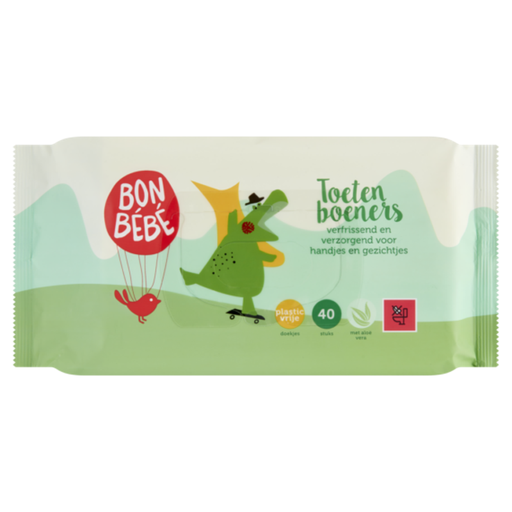
Why it suits this profile: A pack of 40 wipes is a manageable choice for a first purchase, whether you’re at home or out and about. According to the product description, they’re intended for hands, faces and nappy changes.
You don’t have to buy a large stock straight away. According to the product information, the resealable pack helps keep the wipes moist.
40 wipes per pack; according to the product description, free from alcohol and artificial fragrances.
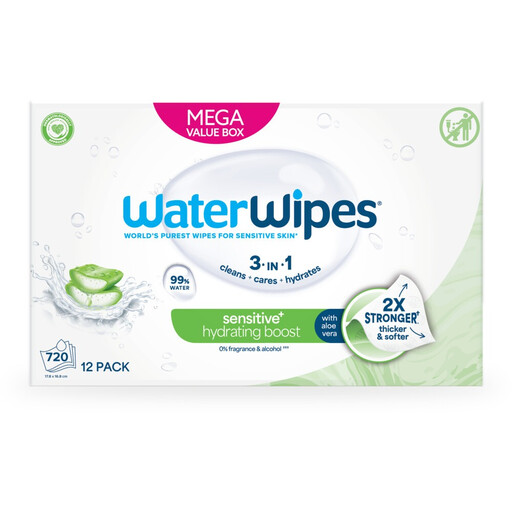
Why it suits this profile: This multipack contains 720 wipes, making it a good fit for households that change nappies frequently and like to keep a stock on hand.
The product description states that the wipes contain more than 99% water and lists the ingredients separately. Check the packaging for the current formulation.
720 wipes; according to the product information, fragrance-free, plastic-free and biodegradable.
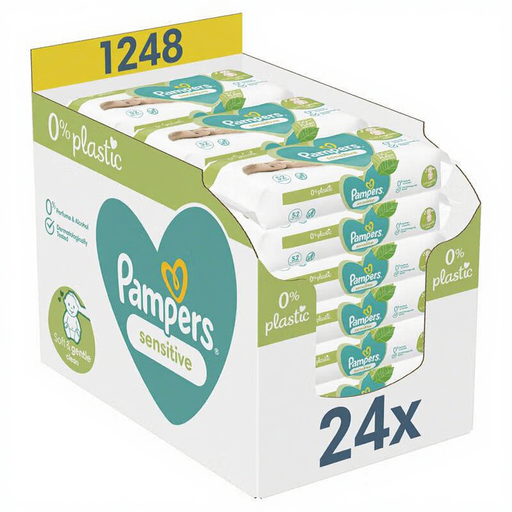
Why it suits this profile: With 24 packs of 52 wipes, this set is a good choice for families who want to keep wipes in several places.
The pack contains smaller packs, so you won’t have to keep using one large, opened pack. Seal each pack carefully after use.
1,248 wipes; according to the product description, fragrance-, alcohol- and dye-free, with a plant-based fibre base.

Why it suits this profile: If you want to compare products with a short ingredients list, the product description says this formula is based on purified water and grapefruit extract.
A short ingredients list makes it easier to compare products. Do check the recommended period of use after opening and the storage advice on the packaging.
12 packs of 60 wipes; according to the product information, 99.9% purified water and 0.1% grapefruit extract.
We’ve put together a complete, up-to-date list of products that meet these strict selection criteria and the applicable European safety requirements.
Not necessarily. According to the product information, fragrance-free baby wipes contain no added fragrance, but every child’s skin may react differently. Also check the full ingredients list, and stop using the wipes if irritation occurs.
Close the flap or resealable strip straight after use. Store packs in a cool, dry place, away from prolonged exposure to direct sunlight or heat. Only buy a bulk pack if you can use the wipes within the recommended period.
No. Don’t use baby wipes, cleansing wipes or most wet wipes as toilet paper. Put them in the bin, even if they feel thin or are described as biodegradable.
