
Vandaag of morgen in huis

Kwaliteit gegarandeerd

Welkomstaanbiedingen ontgrendelen: GRATIS bezorging | Tot 80% korting | Gratis 30 dagen JoyPlus-proefperiode
Download de app
When choosing baby wipes for sensitive skin, it’s not just about soft packaging or a well-known brand. The ingredients, moisture level and material all affect how well wipes work during a nappy change. A poor choice can lead to unnecessary irritation or waste, especially for newborns.
Marketing terms can be confusing, too. “99% water”, “hypoallergenic” and “plastic-free” only tell you so much unless you know exactly what’s listed on the label and in the product information. Read on to find out what to look for in baby wipes, wet wipes for babies and larger multipacks.
A formula containing 99% water may still include other ingredients, such as preservatives, fragrances or cleansing agents. Always check the full ingredients list. If you’re looking for fragrance-free baby wipes or alcohol-free baby wipes, check that this is stated explicitly.
Also look out for conflicting product information. For example, the packaging may say “fragrance-free”, while an online ingredients list names a fragrance. In that case, it’s worth comparing the latest packaging with the product page.
The term hypoallergenic doesn’t guarantee that every baby’s skin will react without a problem. Manufacturers use the term based on their own formula and supporting evidence. For example, according to the product description, WaterWipes states that it has a hypoallergenic formula, while Pampers Sensitive is described as dermatologically tested and fragrance-free. These are brand claims, not medical guarantees.
For very sensitive skin, a short ingredients list is often a practical starting point. Try new baby wipes suitable from birth on a small area of skin first, and stop using them if redness or discomfort occurs. If symptoms persist, speak to your GP or health visitor.
Plastic-free baby wipes and biodegradable baby wipes may be made from cellulose, viscose or other plant-based fibres. That doesn’t mean they’re suitable for flushing down the toilet. Put used wipes in the bin, even if the product is described as biodegradable. This helps prevent blockages in pipes and sewers.
Check the wipe material and the ingredients. Products made with plant-based fibres may be worth considering if you want to avoid plastic in the wipe. Check whether the claim applies to the wipe itself or to the entire packaging.
A thicker wipe can be more practical for a messy nappy change, as it’s less likely to tear and can absorb more. For example, BC Babycare’s product description states that its wipes have a plant-based fibre base, contain extra moisture and are three times thicker than many standard wipes, according to the manufacturer. These are specifications from the brand’s product information.
For families who want to keep added ingredients to a minimum, fragrance-free baby wipes and alcohol-free options are a sensible choice. Pampers Sensitive states that it contains no fragrance, alcohol or dyes. BC Babycare wipes are described as unscented and contain purified water, glycerine, citric acid and sodium benzoate, among other ingredients.
Look out for plant extracts such as aloe vera, grapefruit or lavender. “Natural” doesn’t automatically mean an ingredient is suitable for every baby’s skin, so always check the latest ingredients list.
A secure seal helps stop wipes from drying out. This is especially important with a large pack of baby wipes, which may be open for longer. Compare not just the total price, but also the price per wipe and the number of wipes in each pack.
A multipack of 12 packs may offer good value for everyday use, but it’s less convenient if you want to try the wipes first and see how your baby’s skin reacts. A smaller pack is handy for your changing bag or for trying a product for the first time.
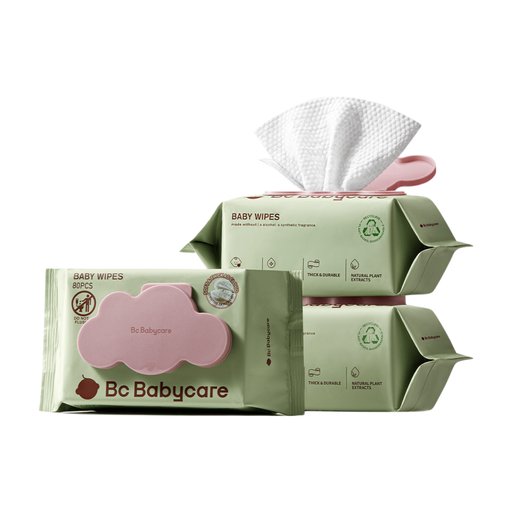
Why it suits this profile: With 240 wipes, this manageable pack is a good choice if you want to try fragrance-free baby wipes without buying a large multipack straight away.
The product information states that the wipes are unscented, contain 99% purified water and have a plant-based, plastic-free wipe material. Be sure to close the pack properly to help prevent them from drying out.
240 wipes, unscented, OEKO-TEX certified according to the product listing, with extra moisture according to the manufacturer.
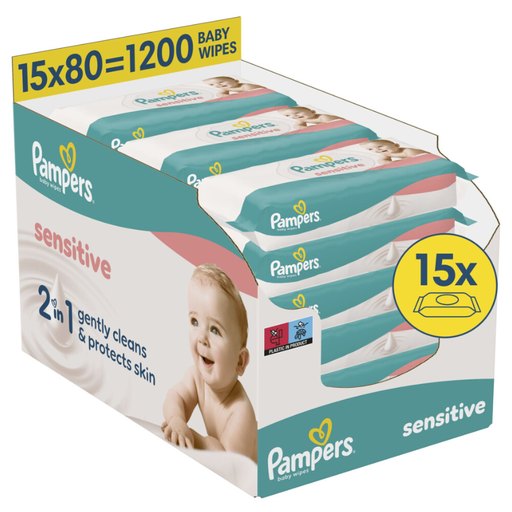
Why it suits this profile: A large supply is ideal for families who use lots of wipes every day and prefer not to reorder as often.
The product information states that the wipes are fragrance-free, alcohol-free and dye-free. It also describes a pH-balanced formula and a seal to help prevent them from drying out.
1,200 wipes, suitable from birth according to the product listing, and dermatologically tested according to the manufacturer.
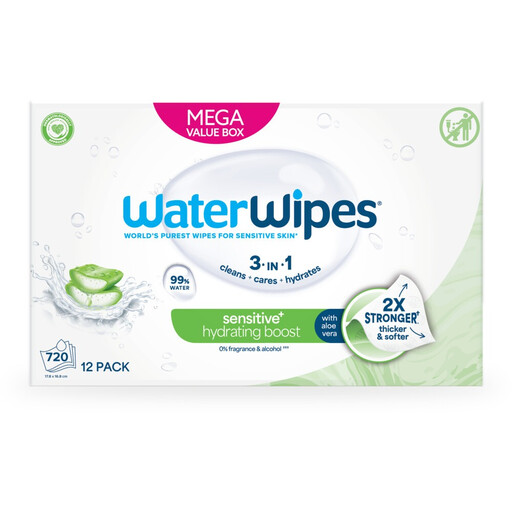
Why it suits this profile: With 720 wipes, this pack is well suited to frequent daily use, such as multiple nappy changes and keeping a regular supply at home.
According to the product description, the formula contains more than 99% water and naturally derived aloe vera. Check the ingredients list if you want to avoid specific plant extracts.
720 wipes, more than 99% water according to the product information, and wipes described as plastic-free and biodegradable.
We’ve put together a complete, up-to-date list of products that meet these strict selection criteria and the applicable European safety requirements.
Look for a clear age indication such as “0+ months” or “suitable from birth”. Pampers Sensitive, Pampers 99% Water and several WaterWipes varieties include this information in their product details. Always check the latest packaging.
Not necessarily. The water percentage tells you about the base of the lotion, but not about all the other ingredients. So check the fragrance, alcohol, preservatives, plant extracts and packaging seal, too.
This varies by brand and product. Some products state how long they can be used after opening, while others mainly recommend keeping the pack properly sealed. Check the packaging, and don’t use wipes if they have dried out, changed colour or developed an unusual smell.
