
Vandaag of morgen in huis

Kwaliteit gegarandeerd

Welkomstaanbiedingen ontgrendelen: GRATIS bezorging | Tot 80% korting | Gratis 30 dagen JoyPlus-proefperiode
Download de app
A pack of baby wipes seems easy to choose until you are standing in front of the shelf or a product page. Fragrance, lotion, water content, material and pack size can vary considerably. For sensitive baby skin, the main thing is to avoid paying for marketing terms that say little about everyday use.
1. “Water-based” does not automatically mean fragrance-free
Baby wet wipes can consist largely of water while still containing fragrances, plant extracts or preservatives. Always check the ingredients list. If you want to keep the formula simple, look for fragrance-free baby wipes, baby wipes without alcohol and products without colourants.
2. An environmental label does not tell you everything about the wipe
Plastic-free baby wipes and biodegradable baby wipes may sound appealing, but check the disposal instructions too. Biodegradable does not mean you can flush them down the toilet. Many baby wipes belong in general waste. Only a product specifically designed for flushing may have different instructions. For baby wipes, putting them in the bin is usually the safest option.
3. A thinner wipe can work out more expensive
A low-priced pack is not always the best value. Thin wipes tear more easily or absorb less dirt, meaning you may need more per change. So do not compare only the price per pack; also compare thickness, dimensions, moisture and price per wipe. A multipack of baby wipes can be useful for everyday use, provided you seal the packs properly.
For baby wipes suitable for newborns, a short, clear ingredients list is practical. Look out for:
Terms such as “hypoallergenic” or “dermatologically tested” are product claims. According to information provided by the brand, a product may have been tested accordingly or offered as hypoallergenic, but this does not predict how every individual skin type will react. Stop using the product if redness or discomfort occurs, and consult a healthcare professional if symptoms persist.
A thicker wipe is less likely to tear and offers greater coverage during a change. Check whether the product description gives a specific comparison, such as “3 times thicker than standard wipes”. According to the product information, Bc Babycare wipes have a 3 times thicker texture and 3.8 times more moisture. These are brand specifications; only compare them with other products when the same measurement method has been used.
A high water content can be convenient for simple cleaning, but also consider the fibre structure. A wipe that is too wet can be awkward when you are out and about, while one that dries out quickly loses its ease of use.
If you are looking for eco-friendly baby wipes, consider plant fibres, a plastic-free composition and biodegradable materials. Also check that the packaging clearly provides this information. A plastic-free wipe does not automatically mean that the packaging is plastic-free.
Store wet wipes in a cool, dry place, close the lid immediately after use and check the expiry information on the packaging. Do not use wipes that have changed colour, smell unusual or come from damaged packaging.
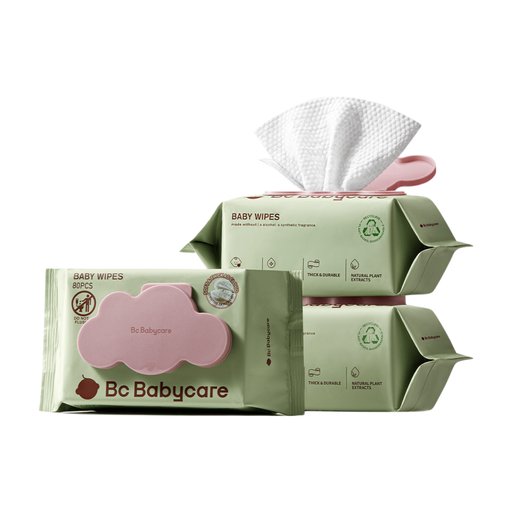
Why this suits the profile: A smaller pack of 240 wipes offers an easy way to try a new variety before buying in larger quantities.
The product information states that the wipes are fragrance-free and made with 99% purified water and a thicker plant-fibre base. Check the full ingredients list before use.
240 wipes; according to the product description, OEKO-TEX certified and made from plastic-free, biodegradable plant fibres.

Why this suits the profile: Ideal for households that use a lot of wipes every day and value thickness and a generous supply.
The stated 3 times thicker wipe texture is designed to help prevent tearing and reduce the need for excessive numbers of wipes per change.
960 wipes; fragrance-free; plastic-free plant fibres; stated OEKO-TEX certification with number 25.HUS.21538.
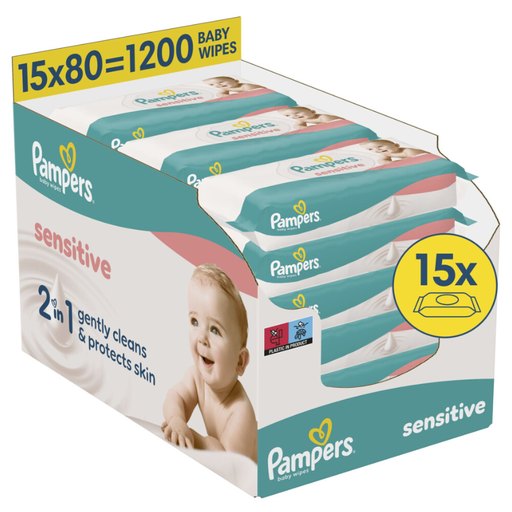
Why this suits the profile: A practical choice for frequent changes throughout the day, both at home and out and about, with a large supply of 1,200 wipes.
The product description states that the wipes are fragrance-free, alcohol-free, free from colourants and suitable from birth. The pack should be closed securely after every use.
1,200 wipes; plant fibres; dermatologically tested according to the product information; do not flush.
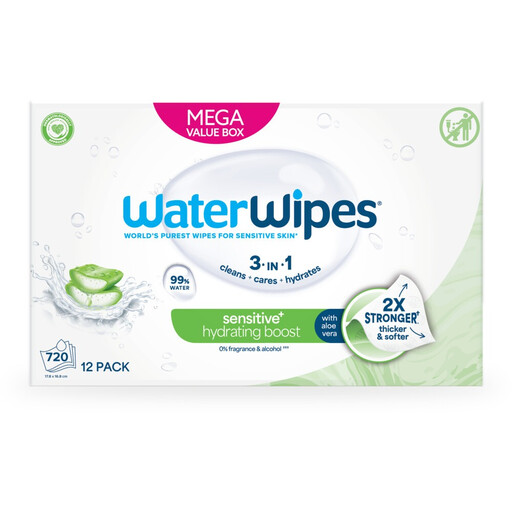
Why this suits the profile: An interesting option for parents looking for a short ingredients list and more than 99% water as a starting point.
According to the brand’s product information, this variety contains more than 99% water and aloe vera. However, check the stated grapefruit extracts and warnings.
720 wipes; more than 99% water according to the brand; plastic-free and biodegradable according to the product description.
We have compiled a complete, up-to-date list of products that fully meet these strict selection criteria and the applicable European safety regulations.
That depends on the exact product information and ingredients. According to the brand description, some varieties are suitable from birth, while others mainly emphasise a water-based formula. Always check the age recommendation, warnings and ingredients list. Use wipes externally only and avoid contact with the eyes and mouth.
Shelf life varies by brand and packaging. Close the pack immediately after every change to help prevent drying out and contamination. According to the product information, some water-based wipes have a shorter period of use after opening. So check the packaging and follow the expiry or usage instructions provided.
No, not automatically. Baby wipes for everyday use generally belong in the bin, even when they are plastic-free or biodegradable. Only flush them if the manufacturer explicitly says that you can and the product is designed for this purpose. Always check local waste-disposal instructions to help prevent blockages.
