
Vandaag of morgen in huis

Kwaliteit gegarandeerd

Welkomstaanbiedingen ontgrendelen: GRATIS bezorging | Tot 80% korting | Gratis 30 dagen JoyPlus-proefperiode
Download de app
Skin irritation after changing your baby is unpleasant for both your baby and you. Yet not every pack labelled “sensitive”, “water-based” or “natural” is automatically suitable for every sensitive skin type. Product packaging can also conceal important details, such as fragrance, preservatives, a thin wipe structure or a short shelf life after opening.
If you are looking for baby wipes for sensitive skin, it is worth comparing marketing claims with verifiable specifications. Pay particular attention to the ingredients, material, moisture level, size and number of wipes per pack.
Baby wipes containing 99% water often contain other ingredients too. These may include glycerine, citric acid, preservatives or plant extracts. Such additions are not necessarily problematic, but sensitive skin can react to different substances.
Always check the ingredients list. Unscented baby wipes and fragrance-free baby wipes reduce the likelihood of exposure to fragrance ingredients, but fragrance-free does not mean that the product contains no other preservatives or skincare ingredients.
Wipes made from plant fibres may be described as biodegradable or plastic-free. This does not mean they are suitable for flushing down the toilet. Even biodegradable baby wipes can cause blockages.
Dispose of used baby wipes with general waste unless the packaging explicitly states otherwise for a specific application. For baby wipes, putting them in the bin is the safe and practical choice.
A baby wipes multipack often reduces the price per wipe, but only if you use the stock in good time. According to some product information, certain watery wipes have a shorter period of use after opening. An opened pack may also dry out if the seal does not close properly.
So do not compare only the total number of wipes. Also consider the size of the packs, the shelf life and how you intend to use the wipes.
For newborns and children with sensitive or eczema-prone skin, simple formulas are often easier to compare. Look for:
A term such as “hypoallergenic” should be regarded as a product claim made by the brand, not as a guarantee that nobody will experience a reaction. According to the product information provided by various brands, some hypoallergenic baby wipes are dermatologically tested or have a certification. Stop using them if redness or irritation occurs, and seek advice from a healthcare professional if symptoms persist.
A thin wipe may be sufficient for a small clean-up, but you may need several during a nappy change. According to their specifications, thick baby wipes provide more material per wipe and may be less likely to tear.
Pay attention to:
Plant-based fibres are not automatically plastic-free. Look for an explicit material description if plastic-free baby wipes are important to you.
The price per pack tells you little without knowing how many wipes it contains. Use this simple comparison:
price per wipe = pack price ÷ total number of wipes
Also compare the wipe size and thickness. A cheaper, thinner wipe may mean you use more in practice. A large pack can be convenient at home, while smaller packs are easier to carry in a changing bag.
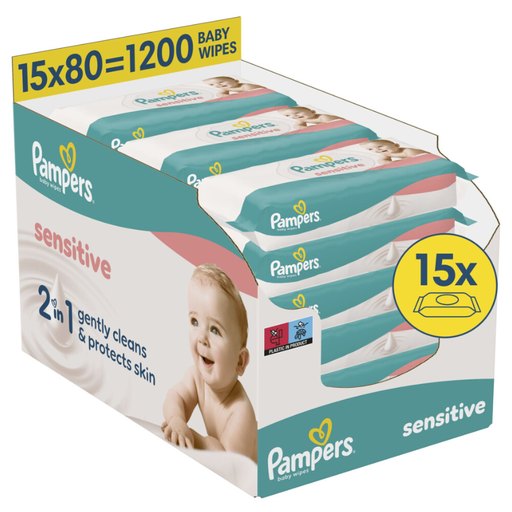
Why this suits the profile: A large supply of 1,200 wipes is practical for families who use a lot of wet wipes for babies every day.
The product information states that the wipes are alcohol-free and fragrance-free, have a resealable closure and are suitable from birth. Check the current packaging for the full ingredients list.
1,200 pieces, 15 packs of 80 and a product description featuring a pH-balancing formula.
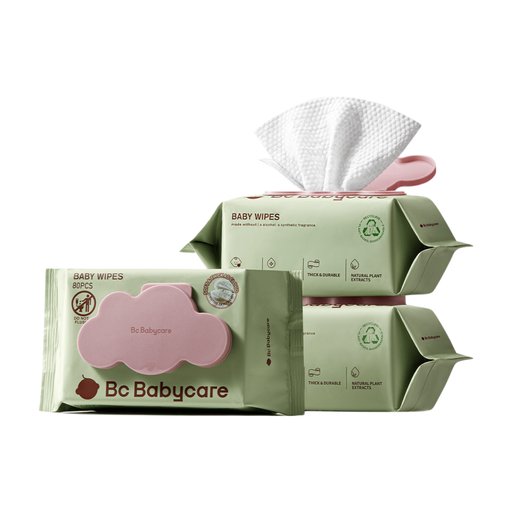
Why this suits the profile: A useful option for parents who want to compare an unscented formula, extra thickness and clear material and certification information.
The product page states that the wipes contain 99% purified water, have an unscented formula and are three times thicker than many standard wipes. These are product specifications; check the claims on the packaging.
240 wipes, an OEKO-TEX mention and plant-based fibres according to the product description.
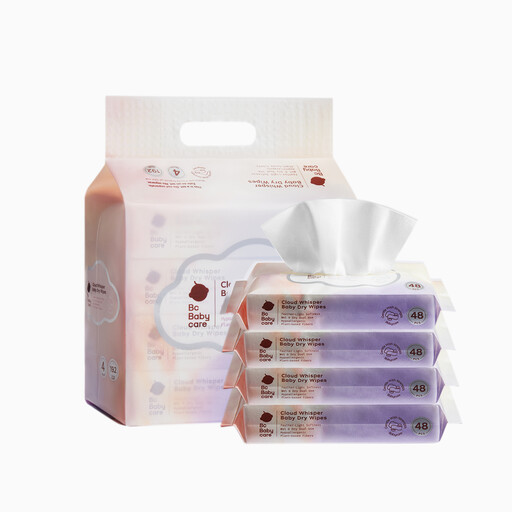
Why this suits the profile: Suitable for families who want to use one wipe dry or with added water for baby care and other light cleaning tasks.
According to the product description, the wipes are supplied dry and can be moistened with clean water. This allows you to control the moisture level yourself and avoids a pack that dries out quickly.
192 pieces in 4 packs, a size of 200 × 200 mm and viscose lyocell made from plant-based fibres, according to the product information.
We have compiled a complete, up-to-date list of products that fully meet these strict selection criteria and the applicable European safety regulations.
Check whether the product information explicitly states “from birth” or “0+ months”. Also choose a fragrance-free formula and check all the ingredients. Even when a product is suitable for newborns, it is still sensible to test it on a small area of skin the first time you use it.
This varies by brand and formula. Close the lid securely after every use and store the pack somewhere cool and dry, away from direct sunlight and heat. Check the shelf-life information on the packaging. According to the product information, watery formulas with few ingredients may sometimes have a shorter period of use after opening.
Not automatically. Check how both the wipe material and the packaging are described. “Plant-based fibres”, “plastic-free” and “biodegradable” are different designations. Dispose of used wipes with general waste and do not flush them down the toilet.
