
Vandaag of morgen in huis

Kwaliteit gegarandeerd

Welkomstaanbiedingen ontgrendelen: GRATIS bezorging | Tot 80% korting | Gratis 30 dagen JoyPlus-proefperiode
Download de app
Sensitive baby skin does not automatically require the most expensive pack of wipes. It is worth reading the label carefully, however. When it comes to baby wipes for sensitive skin, ingredients, fibres, moisture levels and packaging can vary considerably. What is presented as an appealing claim on the front of the pack also does not always reveal exactly what the wipe contains.
For newborns and babies with easily irritated skin, unscented baby wipes, alcohol-free baby wipes and a short, clearly presented ingredients list are particularly relevant. Below, you will find the key considerations and several product choices based on verifiable product specifications.
Water-based baby wipes usually contain water as their main ingredient, but may also include preservatives, fragrances, plant extracts or cleansing agents. Always check the complete INCI list.
A product containing 99% or 99.9% purified water may still contain other ingredients. That does not automatically make it unsuitable, but it is important to know what you are buying. For a newborn, a simple formula may feel more comfortable than a wipe containing several additional extracts.
The term hypoallergenic baby wipes does not mean that a reaction is impossible. It is a product claim, not a personal guarantee. Even fragrance-free wipes may contain preservatives or other ingredients to which a child may react sensitively.
According to Pampers’ product information, the Sensitive wipes are dermatologically tested, alcohol- and fragrance-free, and suitable from birth. These are verifiable product characteristics, but if redness or irritation occurs, always follow the usage warning on the packaging.
A wipe made from plant-based fibres may be described as biodegradable or plastic-free. That does not mean it belongs in the toilet. Baby wipes are often thicker and break down less quickly than toilet paper. Always dispose of used baby wipes in the bin, even if the packaging makes a flushable claim.
For everyday use, consider the following:
“Fragrance-free” says nothing about the wipe’s thickness or moisture level. Compare several characteristics rather than treating a single claim as decisive.
The wipes themselves may be made from cellulose, viscose, lyocell or other non-woven fibres. Plastic-free baby wipes use no synthetic fibres according to the product description, but check the packaging as well: a plastic lid or bag does not mean that the wipe itself contains plastic.
For the BC Babycare model, the product information states 100% biodegradable plant-based fibres and an OEKO-TEX certification bearing number 25.HUS.21538 Hohenstein. Check the current packaging and certification details before using a certification claim as a purchasing criterion. A certification mark also relates only to the certified components and does not automatically cover every environmental claim concerning production or packaging.
Thick, moist wipes can be useful when dealing with a full nappy, as you may need fewer wipes and the fibres are less likely to tear. A thicker wipe does take up more space and may cost more per pack.
Consider the following:
A large pack is practical for families who change nappies frequently each day. Store opened packs in a cool, dry place and keep them tightly closed. Do not use wipes if they have changed colour, smell unusual or are visibly dried out.
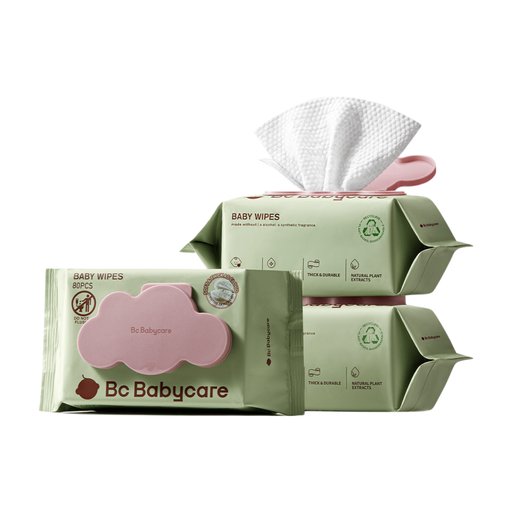
Why it fits: A manageable pack of 240 wipes is a sensible way to try a smaller supply first, for example with a newborn.
The product information states that the wipes are fragrance-free, contain 99% purified water and feature a closure designed to help prevent drying out. Do not flush the wipes down the toilet.
According to the product description, the wipes are three times thicker than many standard wipes and are OEKO-TEX certified under number 25.HUS.21538.

Why it fits: A practical choice for parents who value a concise ingredients list and use from birth.
The listing states 99.9% purified water and 0.1% grapefruit seed extract. Check the shelf life after opening, as the product information specifies a limited period of use once opened.
The packaging contains 12 packs, with a total of 720 wipes. According to the product information, they are hypoallergenic and pH-neutral.
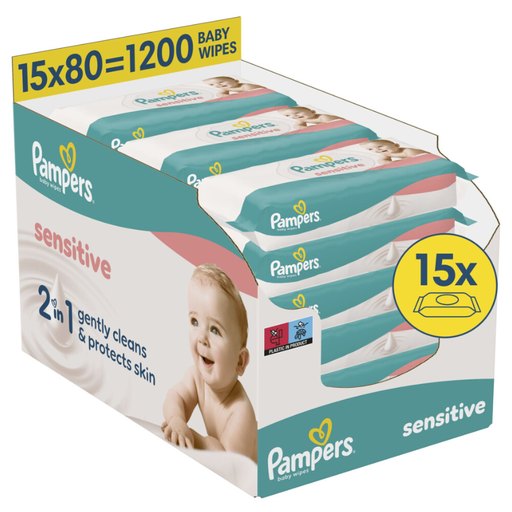
Why it fits: With 1,200 wipes, this multipack is a practical option for families that go through several packs every day.
According to Pampers, the wipes are free from alcohol, fragrance and dyes. The manufacturer also states that they feature a pH-balancing formula; if irritation occurs, always assess your baby’s skin response.
According to the product information, the wipes are suitable from birth and come in resealable packaging.
Browse a current selection of gentle cleansing wipes and compare ingredients, materials, pack sizes and use cases.
They can be a sensible choice if you want to avoid unnecessary fragrances and alcohol. Also check the complete ingredients list and the stated age suitability. “Suitable from birth” is a product specification that should appear on the packaging or product page; it is not a general characteristic of all wipes.
This varies by brand and packaging. Close the lid immediately after use and store the pack away from heat and direct sunlight. According to the product information, WaterWipes states a shorter shelf life after opening than some products containing preservatives. Always consult the current packaging.
A wipe made from biodegradable plant-based fibres can reduce the amount of plastic in the wipe itself. Its overall environmental impact also depends on production, packaging, transport and waste processing. Treat biodegradable baby wipes as one comparison point and never flush them down the toilet.
