
Vandaag of morgen in huis

Kwaliteit gegarandeerd

Welkomstaanbiedingen ontgrendelen: GRATIS bezorging | Tot 80% korting | Gratis 30 dagen JoyPlus-proefperiode
Download de app
When caring for a baby, you’ll quickly find you need several different types of cloths and wipes. Baby wipes and muslin cloths are used during nappy changes, after bath time, while feeding and when you’re out and about. However, not every product is right for every occasion.
Marketing terms such as “extra soft”, “super-absorbent” or “for sensitive skin” only tell you so much. Check the materials, dimensions and instructions for use. According to the manufacturers’ own information, for example, some wet wipes are fragrance-free or made from biodegradable fibres. This is useful product information, but it doesn’t guarantee that every child will tolerate the product without any problems.
A pack containing lots of wet wipes may seem like a good deal, but also check how many wipes are in each pack, how thick they are and how long they keep. A thin wipe may tear more easily or dry out if the packaging isn’t closed properly. As a result, you may need to use several wipes for each nappy change.
So don’t just compare the price of the pack. Check:
Cotton muslin cloths vary in size, number of layers and weave density. A small 30 x 50 cm cloth is handy as a baby burp cloth or for taking out with you. A 70 x 140 cm cloth is better suited to drying your baby after a bath.
A six-layer cloth may also feel different from a lightweight muslin cloth. Always check the product specifications rather than relying on the photo alone.
According to BC Babycare’s product information, its wet wipes are made from plastic-free, biodegradable cellulose fibres. That doesn’t mean you can flush them down the toilet. The manufacturer clearly states that used wipes should be put in the bin.
Biodegradable baby wipes are still disposable wipes. Reusable cotton cloths have a different use and waste cycle, but they do need to be washed and dried, and you’ll need to keep enough on hand.
For reusable, soft baby cloths, 100% cotton and clear washing instructions are important things to check. Cotton generally feels soft and is suitable for a range of care routines. Also check the number of layers. The cloths described here have a six-layer design and are intended for repeated use.
For wet wipes, check the full list of ingredients. According to the product information, BC Babycare wipes contain 99% purified water, glycerine and preservative ingredients, among other things. The manufacturer says they are fragrance-free and OEKO-TEX-certified under number 25.HUS.21538 Hohenstein. A certificate tells you about the stated product or material checks, but always watch how your baby’s skin responds when you use the product.
Choosing the right size means you won’t need to use a large bath towel for small clean-ups. A handy guide:
A larger cloth absorbs more moisture, but also takes up more room in the laundry basket and changing bag.
Before buying, check whether the cloths can be washed at 40 °C and whether tumble drying is discouraged. For the models mentioned here, the manufacturer recommends washing at 40 °C, not bleaching and not dry cleaning. It also recommends avoiding the tumble dryer to help prevent shrinkage.
Wash new cotton cloths before using them for the first time. Avoid strongly scented detergents or fabric softeners if you want to avoid unnecessary fragrance. Let the cloths dry completely before putting them away.
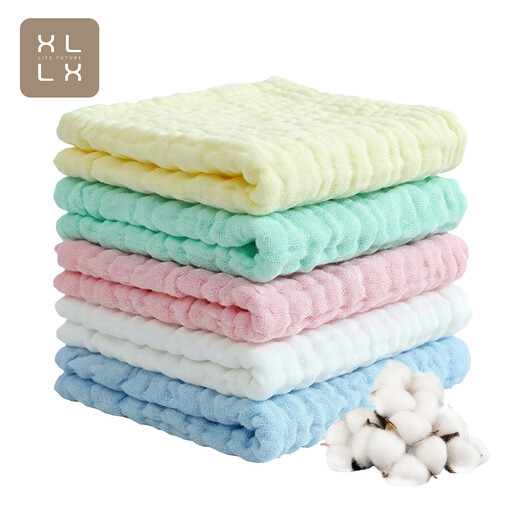
Why it suits these needs: Five reusable cotton cloths measuring 30 x 50 cm provide a handy supply for nappy changes, feeding and when you’re out and about.
The product information specifies 100% cotton, six layers and that the cloths are reusable. So you know exactly what you’re buying, rather than relying on a general claim about softness.
100% cotton, six-layer design, five cloths and a 30 x 50 cm size.
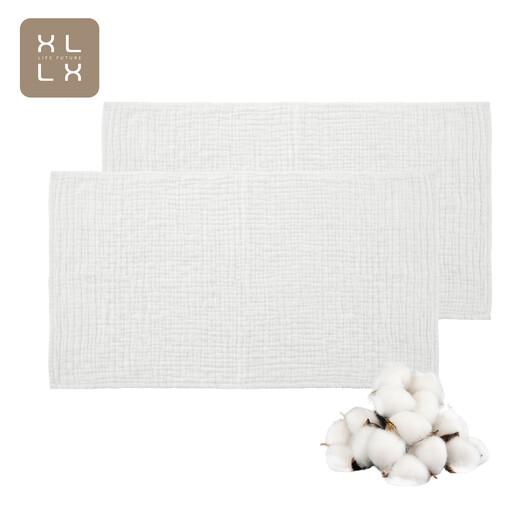
Why it suits these needs: The set includes two large 70 x 140 cm cloths, designed for bath time and everyday drying for newborns and toddlers.
The size and contents are clearly specified: two cotton bath towels measuring 70 x 140 cm. This avoids confusing a small burp cloth with a full-sized baby towel.
100% cotton, six layers, two cloths and a generous size for bath time.

Why it suits these needs: A supply of 960 disposable wipes is handy for families who are often out and about or need to care for their baby several times a day.
The manufacturer says the wipes are fragrance-free, three times thicker than many standard wipes and supplied in a pack of 12. Used wipes must not be flushed down the toilet.
99% purified water according to the product information, fragrance-free, OEKO-TEX certification and plastic-free cellulose fibres.
We’ve put together a complete, up-to-date list of products that meet these strict selection criteria and the applicable European safety requirements.
For everyday use, a starter supply of around five to ten cotton muslin cloths is practical. You’ll use them more often than you might expect for feeding, nappy changes and drying. If you do laundry frequently, you can start with fewer; if you don’t wash every day, you’ll need more spares.
It varies from child to child. Check the ingredients and consider fragrance-free baby wipes if you want to avoid added fragrance. Test a new product on a small area of skin first and stop using it if redness or irritation occurs. Use wet wipes externally only, and avoid contact with the eyes and mouth.
Their lifespan depends on how often they’re washed, the temperature and how they’re dried. Follow the washing instructions on the label. According to the product information, the cloths mentioned here can be washed at 40 °C and should not be tumble-dried. Replace a cloth if the fabric becomes thin, feels permanently rough or gets damaged.
