
Vandaag of morgen in huis

Kwaliteit gegarandeerd

Welkomstaanbiedingen ontgrendelen: GRATIS bezorging | Tot 80% korting | Gratis 30 dagen JoyPlus-proefperiode
Download de app
Baby wipes are handy for nappy changes, on the go, and for cleaning little hands and faces. However, wet wipes for babies vary greatly in their composition, size, moisture content and packaging. A low price per pack doesn’t always tell you the full story about the overall cost of use.
Pay particular attention to three common pitfalls:
For baby wipes for sensitive skin, softness, strength and the composition of the wipe are important things to check. A wipe made from cotton or plant-based fibres can feel different to a synthetic one. Also check whether the product is described as plastic-free and whether the manufacturer mentions a relevant certification.
Bear in mind that plastic-free, biodegradable and compostable don’t mean the same thing. A wipe can contain biodegradable fibres but still belong in the bin. Always follow the instructions on the packaging. Don’t flush baby wipes down the toilet unless the packaging explicitly says you can. Even then, the bin is often the safer choice for your drains.
If you’re looking for fragrance-free baby wipes or alcohol-free baby wipes, it’s a good idea to check the ingredients list rather than just the front of the pack. Fragrances are usually listed as parfum or fragrance. Even a product described as “mild” can contain several additional ingredients.
For newborns and sensitive skin, many parents choose a simple formula without perfume, colourants or alcohol. That’s no guarantee that every child will tolerate the product. Stop using it if you see redness or discomfort, and if symptoms persist, ask a healthcare professional for advice.
One example is the Purcotton 100% Cotton Baby Tissue. According to the product description, the wipe is made from 100% cotton and is free from fluorescent brighteners, perfume, alcohol and fabric softeners. The product can be used dry or wet. The stated OEKO-TEX STANDARD 100 certification is a verifiable product specification; when you receive it, also check the label and the current packaging.
A pack of 80 wipes might seem good value, but a bundle of several smaller packs could work out at a different price per wipe. Use this simple calculation:
Total price ÷ total number of wipes = price per wipe
Also pay attention to:
A large pack of baby wipes is practical for home, but for a changing bag it’s better to take a smaller pack. That way, the contents usually stay moist for longer after the pack has been opened.
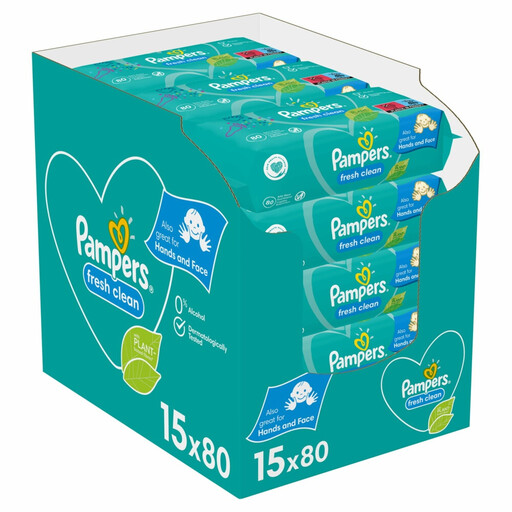
Why this fits the profile: The bundle contains 15 packs of 80 wipes, so you can easily compare the cost per wipe and keep a stock at home.
The resealable closure helps limit drying out. According to the product description, the wipes are alcohol-free and dermatologically tested; the lotion does have a gentle, fresh scent.
15 × 80 wipes; suitable according to the product description for nappy changes, hands and face; alcohol-free.
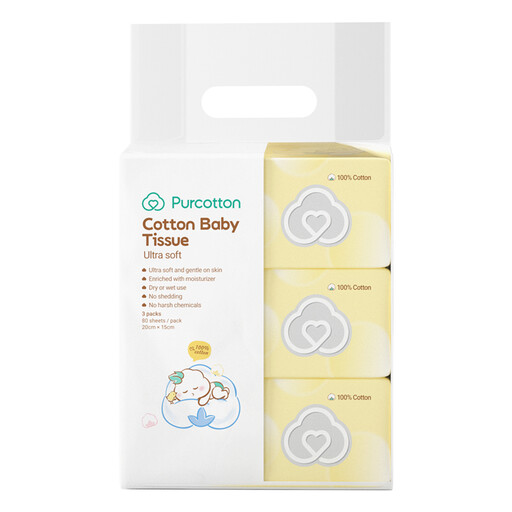
Why this fits the profile: This choice suits families who want one soft wipe they can use dry and wet for baby care and other daily cleaning tasks.
The product description states 100% cotton, no perfume or alcohol, and use without fibre loss when the wipe is wet. It’s not a pre-moistened wipe, so you control the amount of water.
240 sheets in 3 packs; 100% cotton; OEKO-TEX STANDARD 100 stated; can be used dry or wet.

Why this fits the profile: The supply of 720 wipes is aimed at frequent use at home, on outings and during nappy changes for a newborn.
According to the product description, the formula consists of 99.9% purified water and 0.1% grapefruit seed extract. The manufacturer states a shorter period of use after opening; seal each pack carefully.
720 wipes in 12 packs; water-based according to the stated ingredients; product description states pH-neutral and hypoallergenic.
We’ve put together a full, up-to-date list of products that fully meet these strict selection criteria and current European safety regulations.
That depends on the ingredients, the material and the instructions for use. For newborn baby wipes, it’s best to choose a product where the suitable age is clearly stated. Fragrance-free baby wipes and alcohol-free varieties are often chosen for the first few months, but always check the label and watch for any reaction on the skin.
This varies by brand and formula. A well-sealed lid helps retain moisture, but heat, sunlight and an open pack can affect quality. WaterWipes, for example, states a shorter period of use after opening than products with a more extensive preservation system. Store opened packs in a cool, dry place and follow the information on the packaging.
No, not automatically. Plastic-free baby wipes can be made from plant-based fibres but still not be suitable for the toilet. Only when the manufacturer clearly states this can a product be offered as flushable. For most baby wipes, the rule is: use a bin and don’t flush the wipe down the toilet.
