
Vandaag of morgen in huis

Kwaliteit gegarandeerd

Welkomstaanbiedingen ontgrendelen: GRATIS bezorging | Tot 80% korting | Gratis 30 dagen JoyPlus-proefperiode
Download de app
The right baby wipes make nappy changes easier, both at home and on the go. Yet the range often seems more alike than it actually is. Some packs contain perfume and lotion, while others are mostly water. You also really notice the difference in size, moisture and material during daily use.
A soft wipe may feel pleasant, but that doesn’t automatically tell you how strong or moist the wipe is. A thin wipe can tear more easily or lose its moisture if the pack isn’t closed properly. So look at the material, thickness, number of wipes per pack and the closure.
Perfume, alcohol and certain preservatives aren’t problematic for every child, but they can be unsuitable if your baby reacts quickly to skincare products. Therefore, check the label instead of relying solely on words like “mild” or “natural”.
With baby wipes for sensitive skin, fragrance-free and alcohol-free options are often a logical first choice. Stop using them if redness or irritation occurs, and consult a healthcare professional if symptoms persist.
Plastic-free baby wipes are often made from plant-based fibres, but that doesn’t automatically make them suitable for the toilet. Baby wipes belong in the bin, even when a product is labelled biodegradable. Only products specifically developed as moist toilet paper may have different instructions. Always follow the directions on the pack.
When it comes to nappy wipes, pay attention to the following points:
A claim like “hypoallergenic” or “dermatologically tested” should be seen as product information from the brand. According to the manufacturer’s own information, some variants have been tested for this or labelled as hypoallergenic. It is not a personal guarantee for every child.
A larger or thicker wipe can be practical for a more intensive nappy change, as you may need fewer wipes. The product information from BC Babycare, for example, mentions a wipe that is three times thicker than many standard wipes and contains extra moisture. These are comparative claims from the brand’s product description; check the pack for current specifications.
Also look out for:
A bulk pack of baby wipes can be handy when you have several nappy changes a day. Don’t just compare the price of the box; work out the cost per wipe. A pack with more wipes isn’t automatically better value if the wipes are smaller or thinner.
For on-the-go, separate smaller packs are more practical. At home, a box with multiple packs can save time and ordering rounds. Store moist wipes in a cool, dry place and close every pack immediately after use.
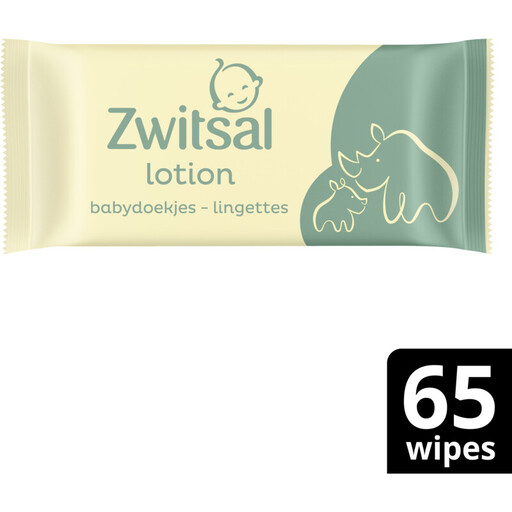
Why this fits the profile: A straightforward pack of 65 wipes is suitable for trying out a lotion variant before buying a bulk pack.
The product description states an alcohol-free formula and a pH-skin-neutral lotion. The scent is clearly indicated, so you don’t accidentally choose a fragrance-free variant.
65 wipes, lotion variant, alcohol-free and, according to the product information, dermatologically tested.
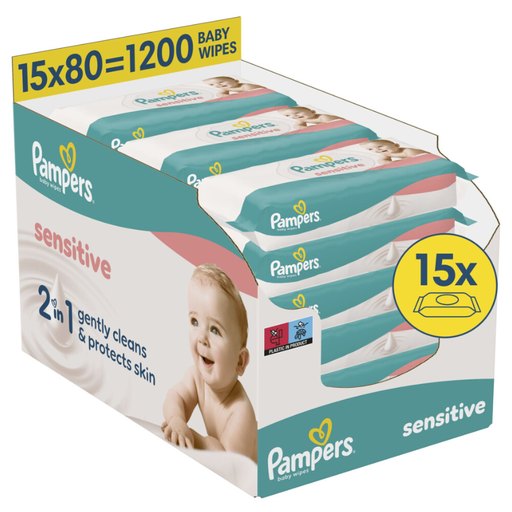
Why this fits the profile: This bulk pack is designed for families who want a consistent, fragrance-free supply from birth onwards.
The product information states that the wipes are fragrance-free, alcohol-free and dye-free. The resealable closure helps prevent drying out.
1,200 wipes, plant fibres according to the product description, pH-protective formula and dermatologically tested according to Pampers.

Why this fits the profile: The combination of a large supply, unscented wipes and a thick plant-fibre base suits many daily nappy changes.
The product information specifies 99% purified water, no scent and a plastic-free, biodegradable cellulose fibre. The pack must be closed properly to limit drying out.
960 wipes, OEKO-TEX certification according to the product information, unscented and made from plant fibres.
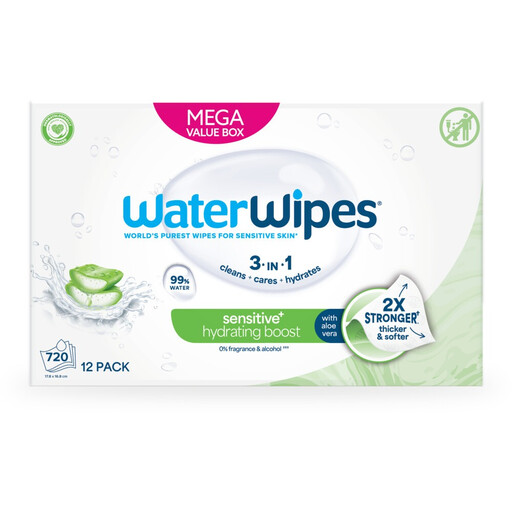
Why this fits the profile: This option appeals to parents who value a short ingredients list, an unscented formula and plastic-free wipes.
The manufacturer states more than 99% water, aloe vera, no perfume and plastic-free wipes. The pack requires extra attention to storage and closing the individual packs.
720 wipes, water-based, aloe vera according to the product information, labelled hypoallergenic by the manufacturer and biodegradable material.
We’ve put together a full, up-to-date list of products that fully meet these strict selection criteria and comply with current European safety regulations.
Fragrance-free baby wipes avoid fragrances that some children tolerate less well. Also check for alcohol, preservatives and the full ingredients list. A fragrance-free formula is no guarantee that irritation won’t occur. If in doubt, test on a small area of skin first and stop if there’s a reaction.
This varies by brand and pack. Some products advise using an opened pack within a certain period; with WaterWipes, for example, a short usage period after opening is mentioned in the product information. Close the pack properly after each nappy change and check the expiry information on the pack.
Do not use baby wipes in the toilet. Even plastic-free or biodegradable wipes can cause blockages. Dispose of used wipes in the general waste bin, unless it is explicitly a different product type and the pack clearly gives other instructions.
