
Vandaag of morgen in huis

Kwaliteit gegarandeerd

Welkomstaanbiedingen ontgrendelen: GRATIS bezorging | Tot 80% korting | Gratis 30 dagen JoyPlus-proefperiode
Download de app
Baby wipes are handy for nappy changes, on the go or after mealtimes. However, baby wipes vary greatly in their ingredients, moisture content, size and packaging. A low price per pack doesn’t always reflect the cost per wipe, either.
For parents, three common pitfalls are particularly important: a heavily fragranced lotion that doesn’t suit every skin type, packaging that dries out quickly, and a bulk pack where the number of wipes or the ingredients aren’t properly checked. The points below will help you compare more effectively.
Words like “soft”, “nourishing” or “for sensitive skin” don’t always tell you the full ingredient list. So always check the ingredients. Look for fragrance-free baby wipes if you want to avoid unnecessary perfumes. Also watch out for alcohol, dyes and preservatives if your baby reacts quickly to skincare products.
A product may say it’s dermatologically tested on the packaging, but that’s no guarantee it’s suitable for every child. According to Pampers’ own product information, the Fresh Clean wipes are alcohol-free and dermatologically tested, but they do contain a light, fresh scent. That could make them less suitable if you’re specifically looking for fragrance-free wipes.
A poorly sealing lid is a practical flaw. A bulk pack of baby wipes is often used over several weeks. If the packaging doesn’t close properly, the wipes lose moisture and become less pleasant to use.
Choose a pack with a sturdy resealable lid or cap. Store unopened packs in a cool, dry place and close an opened pack immediately after use. Also check the expiry or usage information on the packaging.
Some biodegradable baby wipes are made from plant fibres or cellulose. That doesn’t mean you can flush them down the toilet. The product information for brands including BC Babycare, Pampers Sensitive Plastic Free and WaterWipes states that used wipes should not be flushed. So dispose of them in your general waste, unless the packaging clearly states otherwise.
For newborns and children with sensitive skin, many parents look for moist baby wipes with a simple formula. Water-based wipes contain water as their main ingredient. The Pampers 99% Water Baby Wipes state they are 99% water, while WaterWipes, according to the product description, contain 99.9% purified water and a small amount of grapefruit extract.
Be aware of the difference between a product claim and a proven effect. According to the brand’s own information, WaterWipes contain few ingredients and are suitable from birth. Always check the current packaging and stop using them if you notice redness or irritation.
Alcohol-free baby wipes can be a good choice for daily use on nappy areas, hands and face. A lotion wipe, on the other hand, may feel more comfortable for a messy nappy. The right choice depends on your baby’s skin, the occasion and the ingredients you’re happy with.
A thin wipe may be fine for hands or face, but for a full nappy change, thickness and strength matter. BC Babycare states a wipe thickness three times that of standard wipes, with extra moisture. These are product specifications from the product information; they don’t guarantee you’ll need fewer wipes for each clean-up.
Also consider:
If you want to reduce disposable waste, you can alternate between moist wipes and washable cotton cloths. The sets are described as 100% cotton and designed for reuse. The set includes a cloth measuring 25 × 50 cm and a larger one measuring 70 × 140 cm. These are different sizes from standard baby wipes and they require washing and drying.
For on the go, disposable wipes are usually more convenient. At home, reusable cloths can be useful for face, hands or bath time. Always use clean cloths on your baby’s skin and follow the manufacturer’s washing instructions.
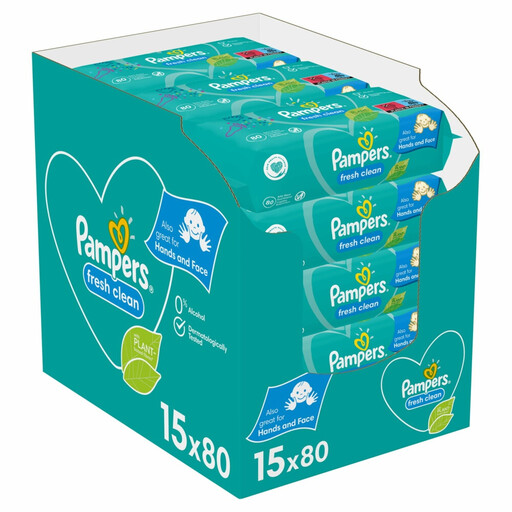
Why this fits the profile: The pack contains 15 packs of 80 wipes, so you have plenty of stock at home and on the go. According to the product description, they are suitable for nappy area, hands and face.
The closure is designed to keep the wipes moist. However, note that the lotion contains a fresh scent according to the product information, so it is not fragrance-free.
Alcohol-free according to the product description; 1,200 wipes spread across 15 packs.

Why this fits the profile: This option is aimed at shoppers who pay attention to an unscented formula, thickness and material choice.
The wipes are fragrance-free, alcohol-free and come with a resealable pack, according to the product information.
960 wipes; plant-based fibres and a stated OEKO-TEX certification.
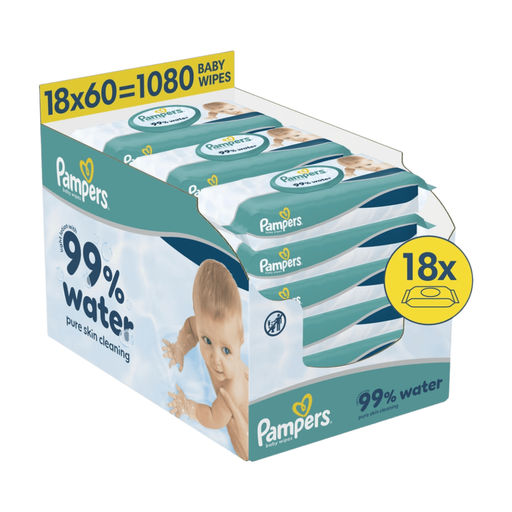
Why this fits the profile: The bulk pack is designed for families who use lots of wipes every day and want to keep a good stock at home.
The pack contains 18 individual packs. This means you can store unopened stock and take a smaller pack with you.
1,080 wipes; according to the product description, alcohol-free, fragrance-free and made from plant-based fibres.
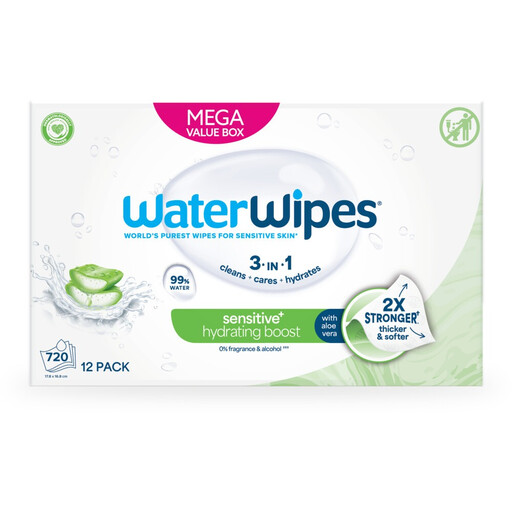
Why this fits the profile: According to the product description, these wipes are designed for daily use and contain more than 99% water and aloe vera.
The product information mentions a fragrance-free formula and plastic-free wipes. Check the ingredients and instructions on the packaging.
720 wipes in 12 packs; the product description states plastic-free and biodegradable wipes.
Use one wipe at a time and fold it if needed to get several clean surfaces. When changing a nappy, clean gently and don’t rub harder than necessary. For face and hands, you can keep a separate pack in your changing bag.
Throw used wipes in the bin. Even biodegradable baby wipes don’t automatically belong in the toilet. Close the pack after every use and avoid prolonged exposure to heat or direct sunlight.
We’ve put together a full, up-to-date list of products that fully meet these strict selection criteria and comply with current European safety regulations.
Check the age indication and usage instructions on the packaging. Some products explicitly state they are suitable from birth, such as certain WaterWipes and Pampers variants. Always check the ingredients and, if your baby has sensitive skin, try a small amount first.
This varies by brand and formula. The shelf life information is on the packaging. WaterWipes states, according to its product information, a shorter usage period after opening than products with preservatives. Close each pack properly and don’t use wipes that are dry, discoloured or smell unusual.
Not always. Calculate the price per wipe and also compare the thickness, moisture content and number of wipes you need per clean. A bulk pack can be good value for daily use, but only if you can seal the packs properly and use them in time.
