
Vandaag of morgen in huis

Kwaliteit gegarandeerd

Welkomstaanbiedingen ontgrendelen: GRATIS bezorging | Tot 80% korting | Gratis 30 dagen JoyPlus-proefperiode
Download de app
A pack of baby wipes might seem simple to choose, but the differences are often in the details. Think about fragrance, alcohol, moisture content, material and the number of wipes per pack. A low price per pack can actually be less economical if the wipes dry out quickly or you need several wipes for a single nappy change.
For parents and carers in the UK, there are three main pitfalls to watch out for:
For sensitive skin, look out for fragrance-free baby wipes, alcohol-free baby wipes and a short ingredients list. That doesn’t automatically make a wipe suitable for every child, but it does help you compare more consciously.
For newborns, a simple formula can be a good option. The product information for Pampers Sensitive, for example, mentions a water-based formula without fragrance, alcohol or dyes. According to the product description, WaterWipes Hydrating Wipes combine more than 99% water with aloe vera, glycerine and grapefruit seed extract. If you have an allergy or a previous skin reaction, always check the current packaging and stop using the product if irritation occurs.
Also consider the area of use. Not every wipe intended for the face is suitable for the bottom, and moist baby wipes can differ in lotion, texture and moisture content. A product specifically described for the face, such as Derlon Baby Face Wipes, should not be used as nappy wipes without checking first.
If you want to avoid plastic, look for plastic-free baby wipes with a fibre base made from plants, cellulose or another clearly described raw material. The product information for several variants mentions 100% plant-based or biodegradable fibres. Treat this as a product specification, not a reason to flush wipes down the toilet.
Also check the packaging. A plastic-free wipe can still come in a plastic outer wrapper. If you want to reduce waste, consider the number of wipes per pack and the amount of packaging material per pack.
A bulk pack of baby wipes is practical for daily nappy changes, but only if you can store the packs properly. Pay attention to:
A pack with lots of wipes isn’t automatically better value. Divide the price by the total number of wipes and think about how many you actually use. In a small household, smaller packs can prevent the wipes from drying out. If you have several children or do lots of nappy changes, a value pack can be more convenient.
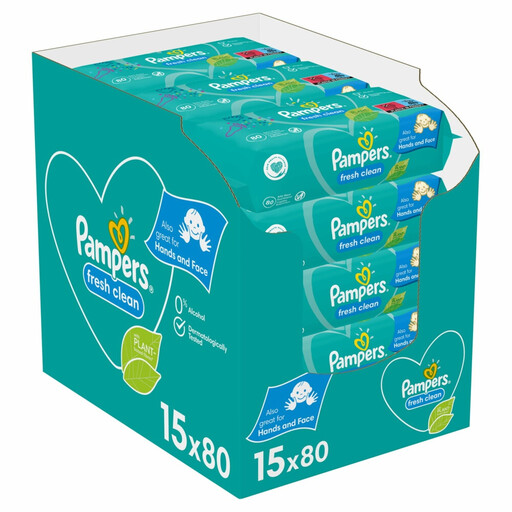
Why this fits the profile: The pack contains 15 packs of 80 wipes, making it suitable for daily use at home. According to the product information, the wipes are intended for the bottom, hands and face.
The resealable closure is designed to prevent drying out. The information also mentions alcohol-free use and a gentle fresh scent.
1,200 wipes in total; suitable for multiple daily uses; alcohol-free lotion according to the product description.

Why this fits the profile: According to the product information, this variant is designed for sensitive skin, is fragrance-free and contains 99% purified water. The pack contains 960 wipes.
According to the product data, the wipes are fragrance-free and made from plastic-free, plant-based fibres. The packaging must be closed properly after each use.
OEKO-TEX certification according to the product information; three times thicker structure according to the manufacturer; fragrance-free.
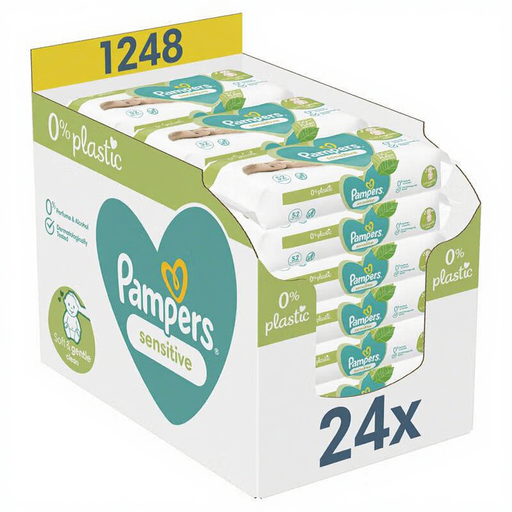
Why this fits the profile: This bulk pack contains 780 wipes and, according to the product information, is suitable from 0 months. The variant is designed for parents looking for fragrance-free, alcohol-free and plastic-free wipes.
The product description states 0% plastic, no fragrance, alcohol or dyes. According to the instructions, used wipes should go in the general waste bin, not the toilet.
780 wipes; plant-based fibres according to the product information; fragrance-free and alcohol-free.
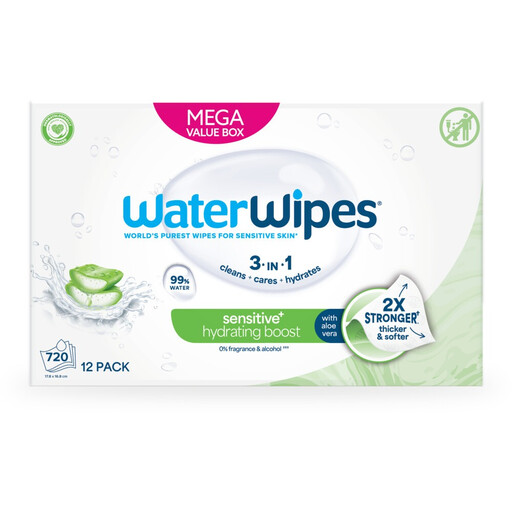
Why this fits the profile: The product information mentions use from birth, a formula with more than 99% water and aloe vera, and suitability for sensitive or dry baby skin.
The ingredients list is relatively short. However, note the grapefruit seed extract mentioned and store unopened and opened packs according to the instructions.
720 wipes; fragrance-free according to the product data; plastic-free and biodegradable wipes according to the product description.
We’ve put together a full, up-to-date list of products that fully meet these strict selection criteria and comply with current European safety regulations.
Always use one wipe at a time and close the packaging immediately after use. Store the packs in a cool, dry place and avoid prolonged exposure to direct sunlight or a hot car. Check the wipe before use if the packaging is damaged, or if the wipe is discoloured or smells unusual.
For the face and hands, it’s wise to check whether the manufacturer mentions these uses. If you have sensitive skin, try a small area first. Use wipes for external use only, avoid contact with the eyes and dispose of used baby wipes in the general waste bin. Even plastic-free or biodegradable variants are generally not suitable for the toilet.
Look at the age indication, ingredients and usage instructions. Wipes that, according to the product information, are suitable from birth, without fragrance and alcohol, can meet this need. Always check the packaging and the skin’s reaction.
Fragrance-free wipes limit perfumes, but that doesn’t automatically mean every child will tolerate them without issue. Check the full ingredients list and stop using them if you notice redness, irritation or any other discomfort.
This varies by product. The shelf life or period-after-opening information is on the packaging. Always close a pack properly to prevent drying out and use an opened pack within the stated time frame.
