
Vandaag of morgen in huis

Kwaliteit gegarandeerd

Welkomstaanbiedingen ontgrendelen: GRATIS bezorging | Tot 80% korting | Gratis 30 dagen JoyPlus-proefperiode
Download de app
The right baby wipes may seem straightforward to choose at first glance. Yet wet wipes for babies differ greatly in formulation, moisture level, size and packaging. A low price per pack doesn’t always reflect the price per wipe or how convenient they are to use.
For parents and carers, three pitfalls matter most:
With sensitive skin, it’s wise to look at the ingredients first, not just the front of the pack. For instance, seek out fragrance-free baby wipes, alcohol-free baby wipes and a clear statement of intended use.
A fragrance can smell pleasant, but it isn’t necessary for cleaning. According to the product information, Pampers Fresh Clean Baby Wipes have a gentle fresh scent, are alcohol-free and dermatologically tested. If you want to avoid fragrance altogether, choose a variant clearly labelled ‘unscented’ or ‘fragrance-free’.
If there are skin problems, redness or persistent irritation, stop using the wipes and seek advice from a healthcare professional. Baby wipes are care products, not a treatment.
Pay attention to the material of the wipe itself. Several products in the range state plastic-free baby wipes or plant-based fibres. As per the product description, BC Babycare wipes are made from plastic-free, biodegradable plant-based fibres. Pampers 99% Water Baby Wipes likewise state 0% plastic in the wipe.
That doesn’t mean the entire packaging is plastic-free. Check separately:
‘Biodegradable’ also doesn’t mean you can flush used wipes down the loo. Put used baby wipes in general waste, unless the packaging explicitly states different local guidance. Even then, flushing baby wipes is generally not the recommended option.
A wipe should be moist enough to clean without hard rubbing. Wipes that are too wet can be awkward when you’re out and about; wipes that are too dry may mean you use more. A thicker texture can help with a big nappy change, but on its own it says nothing about the formulation.
Also check the closure. A sturdy flip-top or resealable opening helps keep the remaining wipes moist. Close each pack immediately after use and store it in a cool, dry place. When buying a baby wipes bulk pack, also look at the total number of wipes: a pack with 15 × 80 comes to 1,200 wipes, while 12 × 60 totals 720 wipes. Compare the price per wipe, not just the price per pack.
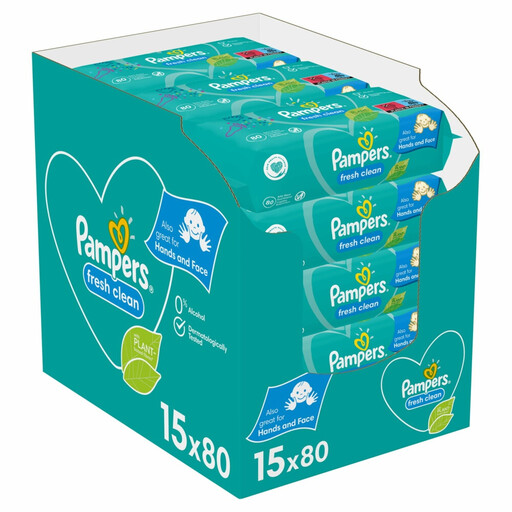
Why it suits this profile: The case contains 15 packs of 80 wipes, making it suitable for families who want to build up a home supply. According to the product information, the wipes can be used for bottoms, hands and face.
The product information notes alcohol-free use and a closure that helps reduce drying out. The fresh fragrance present makes this less suitable if you want to avoid perfume.
Large supply; alcohol-free lotion according to the product description; resealable packaging.

Why it suits this profile: This value pack is aimed at buyers who focus on thickness, moisture and materials. The wipes are unperfumed and the product information states 99% purified water.
The specifications cite triple the thickness versus standard wipes and 100% biodegradable plant-based fibres. These are manufacturer claims; check the packaging for the latest information.
960 wipes; unperfumed; OEKO-TEX certification number 25.HUS.21538 according to the product information.
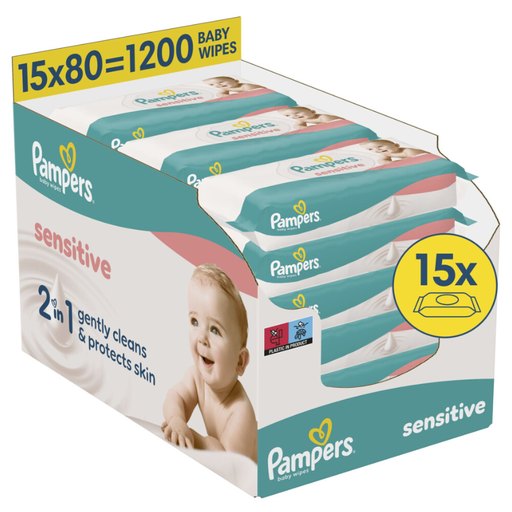
Why it suits this profile: A case with 1,200 wipes suits daily nappy changes and households that keep multiple packs in different places.
The product information states fragrance-free, alcohol-free, dye-free and suitable from birth. The mildness claim comes from Pampers; always follow the on-pack directions.
1,200 wipes; fragrance- and alcohol-free according to the product specifications; pH-balanced formula.
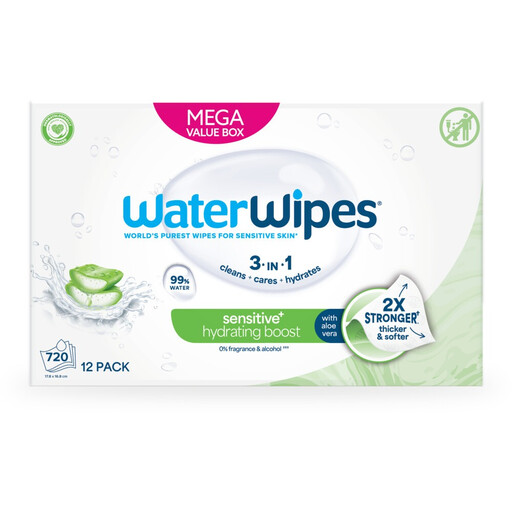
Why it suits this profile: This option is for parents who want a simple formula with a high water content and unperfumed wipes, at home or on the go.
The product information notes more than 99% water, fragrance-free use and a plastic-free wipe. The manufacturer also mentions aloe vera; check the ingredients list and shelf life on the packaging.
720 wipes; more than 99% water according to the product description; plastic-free and biodegradable wipes according to the manufacturer.
We’ve put together a complete, up-to-date list of products that fully meet these strict selection criteria and comply with current European safety regulations.
Fragrance-free wipes are often chosen for sensitive baby skin, but suitability depends on the full ingredients list and the directions on the packaging. Some products state they can be used from birth; check this for each variant.
Shelf life varies by brand and packaging. Refer to the date or the period-after-opening on the label. Reseal the pack after every use and store it in a dry place away from direct sunlight. Avoid using wipes that are visibly dried out, discoloured or smell different.
Some manufacturers state their wipes are plastic-free and biodegradable. That doesn’t automatically apply to the packaging and doesn’t mean you can flush them down the toilet. Check the product specifications and follow local waste guidance.
