
Vandaag of morgen in huis

Kwaliteit gegarandeerd

Welkomstaanbiedingen ontgrendelen: GRATIS bezorging | Tot 80% korting | Gratis 30 dagen JoyPlus-proefperiode
Download de app
Baby wipes are handy when changing nappies, when you’re out and about, and for cleaning dirty hands or faces. Yet many packs look more alike than their contents would suggest. A low price per pack may be less appealing if the wipes are small, dry out quickly or are not suitable for your baby’s skin.
As a Joybuy Product Recommendation Officer, I filter the most important product information down to practical details. This helps you see which baby wipes suit your needs, without relying solely on eye-catching marketing claims.
Words such as mild, soft and caring are not automatically a complete product specification. So check whether the packaging clearly states that the wipes are fragrance-free, alcohol-free and suitable for sensitive skin. Pay attention to the ingredients list, too. A fragrance-free option may be a sensible choice if you prefer to avoid fragrances.
A brand’s claim about skin-friendliness should be regarded as information provided by the manufacturer. According to Pampers’ own information, the Sensitive wipes are dermatologically tested and suitable from birth. This does not guarantee that every child will react in the same way. Stop using them if redness or irritation occurs and follow the instructions on the packaging.
According to the product description, baby wipes containing 99% water are largely made up of purified water, but they also contain other ingredients such as preservatives, citric acid or moisturising agents. So look at the full ingredients list rather than just the percentage shown on the front.
In addition, moisture, size and thickness determine how many wipes you need per nappy change. A budget pack is less economical if you need several wipes for a single clean-up.
Plastic-free baby wipes are often made from plant-based or cellulose fibres. This tells you something about the material, but does not automatically mean that you can flush them down the toilet. The product information for the recommended BC Babycare wipes explicitly states that they must not be flushed down the toilet. Dispose of used baby wipes in the bin unless the packaging specifically and reliably states that the product is suitable for flushing.
For everyday use, you can look out for:
Aloe vera or glycerine may be described as caring or moisturising in the product description. According to the brand’s own information, this does not mean that the product has a medical effect. Use wipes externally only and avoid contact with the eyes.
A thicker wipe may feel more substantial during a nappy change and absorb more dirt. For example, BC Babycare states that its wipes are three times thicker than many standard wipes. This is a manufacturer’s claim, so always check whether the texture and size suit your preferences.
The material is also relevant. Some variants are made from plant-based fibres, cellulose or other non-woven fibres. According to the product information, the Pampers Sensitive Plastic Free Baby Wipes are described as plastic-free and made from plant-based fibres. If you are making environmentally conscious choices, check the packaging and disposal instructions as well.
Do not compare only the price of a single pack. Use this simple calculation:
Price per wipe = total price ÷ total number of wipes
A multipack of baby wipes can be convenient for families who change nappies every day. However, consider storage space, shelf life and the closure. According to the product description, a pack with a secure resealable lid helps to limit drying out. Close each pack immediately after use and store it somewhere cool and dry, away from sunlight and heat.
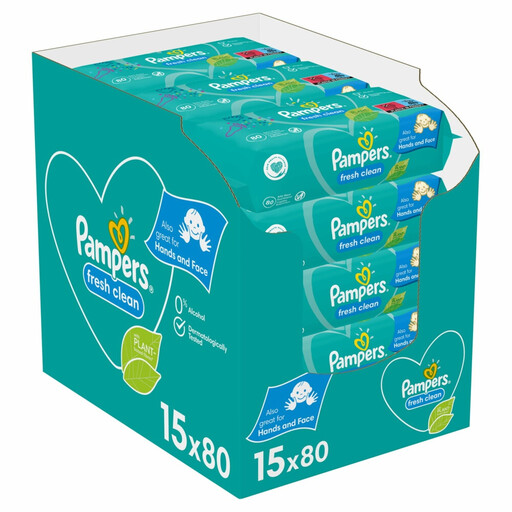
Why this suits the profile: With 15 packs of 80 wipes, this multipack is aimed at families who regularly use wipes for bottoms, hands and faces.
The pack states that it contains an alcohol-free lotion and has a closure designed to help prevent drying out. According to the product information, the wipes do have a soft, fresh fragrance.
1,200 wipes in total; suitable for several everyday uses; alcohol-free according to the product description.
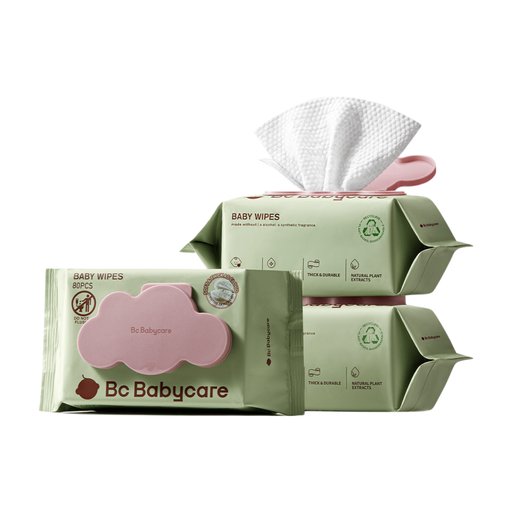
Why this suits the profile: This option combines an unscented formula with a thicker texture for parents who want to compare the material, moisture content and ingredients side by side.
According to the product description, the wipes are unscented, contain 99% purified water and are made from plastic-free, biodegradable plant-based fibres.
OEKO-TEX certification with ID 25.HUS.21538; wipe three times thicker according to the manufacturer; 240 wipes per set.
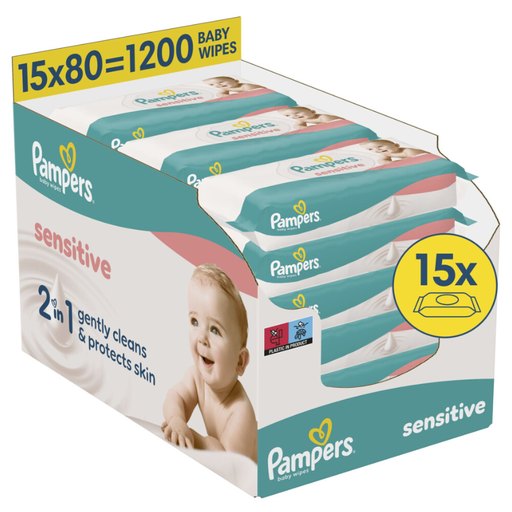
Why this suits the profile: The large supply is practical for frequent nappy changes and for households that want to keep fragrance-free baby wipes to hand.
The product information states that these wipes are free from alcohol, fragrance and dyes. They are intended for external use and must not be flushed down the toilet.
1,200 wipes; fragrance-free and alcohol-free according to the product description; suitable from birth according to the manufacturer.
Use one wipe at a time and touch unused wipes as little as possible. Close the lid after each use to help limit moisture loss and contamination. Do not store spare packs in a hot car, on a windowsill or next to a radiator.
Baby wipes are intended for external use. Do not use them in the mouth and do not flush them down the toilet. Check the expiry information on the packaging when buying. If your baby has sensitive skin, it is sensible to use a small amount first and monitor the reaction.
We’ve put together a complete, up-to-date list of products that fully meet these strict selection criteria and the applicable European safety regulations.
Not automatically. Fragrance-free means that, according to the product information, no fragrances have been added. Other ingredients may still cause a reaction. Check the full ingredients list and stop using the wipes if redness or irritation occurs.
The correct shelf life and any recommended period of use after opening are stated on the packaging. In practice, they stay moist for longer when you close the pack properly and store it somewhere cool and dry. An open pack that dries out is less convenient to use.
Do not assume so. Biodegradable or plastic-free does not mean that a wipe can safely pass through plumbing. The BC Babycare product information advises disposing of them in the bin. Always follow the specific instructions on the packaging and, if in doubt, do not flush baby wipes.
