
Vandaag of morgen in huis

Kwaliteit gegarandeerd

Welkomstaanbiedingen ontgrendelen: GRATIS bezorging | Tot 80% korting | Gratis 30 dagen JoyPlus-proefperiode
Download de app
Baby wipes may seem easy to compare, but the differences often lie in the details. A pack may look large, yet the wipes can dry out quickly. The term “water wipes” also does not automatically mean that every ingredient is suitable for every sensitive skin type. And moist toilet wipes should not simply be considered part of baby care.
This buying guide compares baby wipes based on verifiable product information: ingredients, material, closure, number of wipes and usage advice. This helps you avoid a purchase that is not practical for your family.
A multipack of baby wipes may seem good value, but the number of wipes per pack varies considerably. So do not compare only the total price: also look at the price per wipe and the number of packs. For example, a box containing 12 packs of 80 wipes contains 960 wipes.
Also pay attention to the dimensions and thickness. A thicker wipe may be more practical for each change, while a thin wipe may tear more quickly or require several wipes.
Marketing terms are no substitute for the ingredients list. If you are looking for baby wipes for sensitive skin, it is worth checking the following:
According to the product description, Pampers Sensitive Baby Wipes contain no fragrance, alcohol or colourants and have been dermatologically tested. This is product information provided by the brand; it does not mean that every baby will automatically react to them in the same way.
Baby wipes must not be flushed down the toilet. This is also stated in the product information for Zwitsal, Pampers and BC Babycare, among others. Moist toilet paper products may sometimes be marketed as flushable, but always follow the packaging instructions and take your drainage system into account.
For thick flushable toilet wipes, it is often recommended that only a small amount is flushed at a time. If in doubt, disposing of them in the bin is the safer option. A blockage can quickly wipe out the savings made on a multipack.
For newborns or sensitive skin, many parents choose fragrance-free baby wipes and alcohol-free baby wipes. Also check whether the wipes contain fragrances, oils, plant extracts or preservatives. “Hypoallergenic” is a product description, not a guarantee that irritation is impossible.
Stop using the wipes if redness or discomfort occurs and follow the instructions on the packaging. If skin problems persist, you can ask a healthcare professional for advice.
Not every wet wipe is made from the same material. Some products use plant fibres or cellulose, while other packs specify a non-woven fabric containing plastic. If you are looking for biodegradable wipes or plastic-free baby wipes, check whether the claim applies to the wipe itself or to the entire packaging.
For example, a product description may mention “100% biodegradable plant fibres”. Treat this as a manufacturer’s specification and check the packaging for the latest information.
A sturdy lid or resealable pack helps keep the wipes moist. Close the pack immediately after use and store it in a cool, dry place. Products containing few preservatives may have a shorter shelf life after opening. WaterWipes, for example, states that an opened pack should be used within a limited period; always check the label for details.
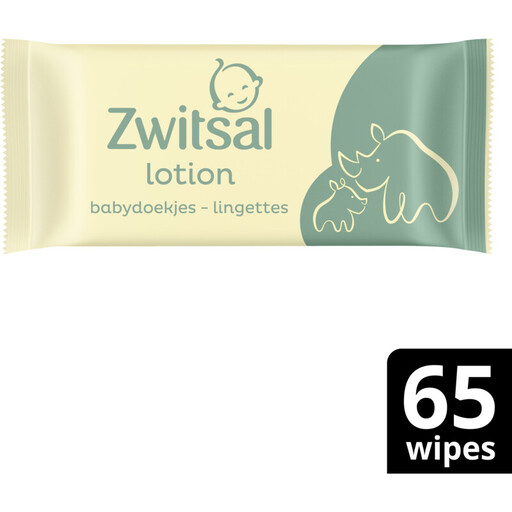
Why this suits the profile: A pack of 65 wipes is easy to manage for a first purchase or as an extra pack for travelling. The lotion version is designed to clean and care for your baby’s bottom.
The product information specifies a pH skin-neutral formula, an alcohol-free composition and clear instructions not to flush the wipes.
65 wipes per pack; lotion version; alcohol-free and dermatologically tested according to the product description.
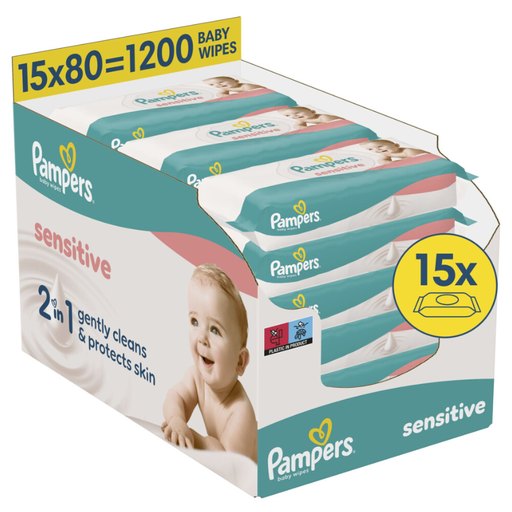
Why this suits the profile: The multipack containing 1,200 wipes is ideal for families who change nappies every day and prefer not to order new packs as often.
The specifications state that the wipes are fragrance-free, alcohol-free and colourant-free, and come in a resealable pack. Used wipes must not be flushed down the toilet.
1,200 wipes; suitable from birth according to the product information; dermatologically tested according to the manufacturer.
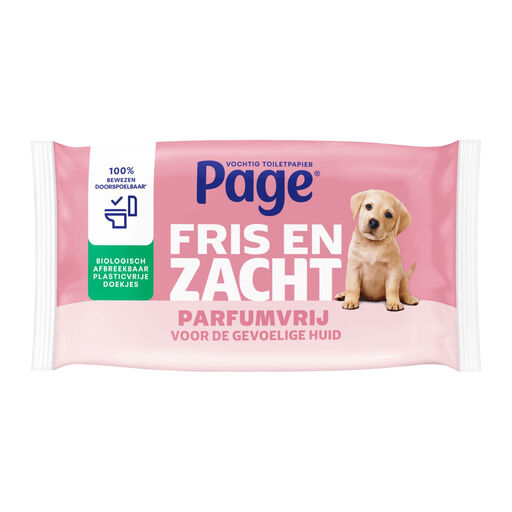
Why this suits the profile: These moist toilet wipes are designed to complement dry toilet paper at home or when travelling, rather than being used as baby wipes for nappy changes.
The product description states that the wipes are fragrance-free, have a pH skin-neutral formula and are plastic-free. Use the product according to the flushing instructions on the packaging.
38 wipes per pack; fragrance-free; made from natural fibres according to the product description.
We have put together a complete, up-to-date list of products that fully meet these strict selection criteria and the applicable European safety regulations.
Not automatically. Fragrance-free and alcohol-free are useful selection criteria, but you should also check the full ingredients list. A child may react to different ingredients. Stop using the wipes if irritation occurs and seek medical advice if necessary.
This varies by brand and formula. The information is provided on the packaging, sometimes as a period after opening. Products with a simple water-based formula may have different usage advice from wipes containing preservatives. Always close the pack properly to help prevent the wipes from drying out.
That depends on the number of nappy changes, the price per wipe and how you use them. When buying a multipack, calculate the price per wipe. Baby wipes are particularly practical when travelling and for quick changes; at home, washable wipes can be an alternative, but they require water, detergent and washing.
