
Vandaag of morgen in huis

Kwaliteit gegarandeerd

Welkomstaanbiedingen ontgrendelen: GRATIS bezorging | Tot 80% korting | Gratis 30 dagen JoyPlus-proefperiode
Download de app
Choosing the right baby wipes may seem straightforward, but packaging often uses terms that don’t tell the whole story. For example, “water-based”, “sensitive” or “plastic-free” doesn’t automatically mean a wipe is suitable for every baby. A large pack isn’t always better value either if the wipes dry out quickly or you need several for each nappy change.
There are three pitfalls in particular for parents and carers to watch out for:
Many parents choose fragrance-free baby wipes and alcohol-free baby wipes for sensitive baby skin. This doesn’t automatically make a product suitable for every skin type, but it does limit the number of substances you need to consider.
Check the full ingredients list on the packaging. Look out for:
Read claims about skin-friendliness as claims made by the manufacturer. According to Pampers’ own information, its Sensitive wipes are dermatologically tested and suitable from birth. This isn’t a medical guarantee for every child. Stop using the wipes if redness or irritation occurs, and seek advice from a healthcare professional if symptoms persist.
Wipes that are too dry or too thin may mean you need to use several at a time. So check:
According to the product information, BC Babycare wipes are described as three times thicker than many standard wipes and extra moist. These are product specifications and manufacturer claims; check the packaging to see whether the same information applies to your particular version.
With wet baby wipes, the seal is important for everyday use. A lid or tightly closing film helps prevent the wipes from drying out. Store an opened pack in a cool, dry place, away from direct sunlight and heat sources.
If you’re looking for plastic-free baby wipes or biodegradable baby wipes, distinguish between the wipe and the packaging. A wipe may be made from plant-based fibres, while the outer packaging still contains plastic.
Examples of material claims across the range include:
Also check whether “biodegradable” refers to the wipe, the packaging or both. Put used wipes in the bin unless the manufacturer explicitly says otherwise. Even wipes labelled as flushable can cause blockages in practice.
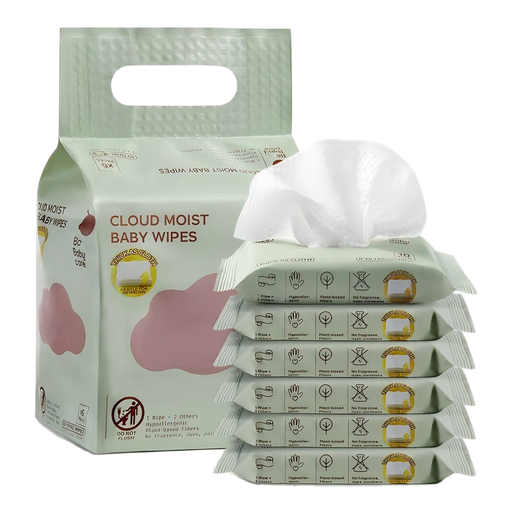
Why it suits this profile: A small pack of 60 wipes is handy for trying them out first or carrying in your changing bag.
You don’t have to buy a large pack straight away. According to the product information, the wipes are fragrance-free and made from plant-based fibres.
60 wipes, fragrance-free, OEKO-TEX certification number 25.HUS.21538 and, according to the product information, 99% purified water.
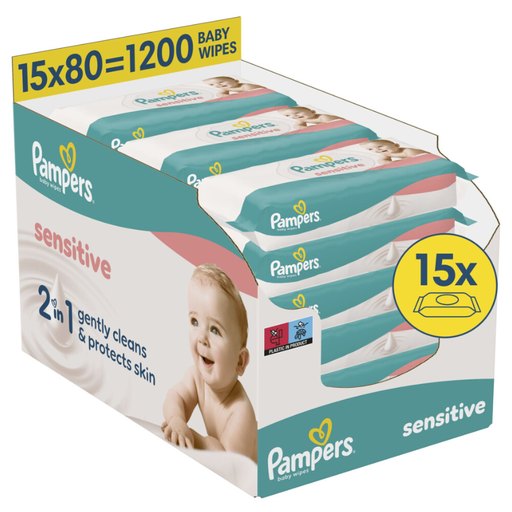
Why it suits this profile: This value pack is ideal for families who use lots of wipes every day and want to keep a regular supply at home.
The product information states that these wipes contain no perfume, alcohol or colourants. The seal is designed to help prevent them from drying out; close the pack after each use.
1,200 wipes, fragrance-free and alcohol-free according to the product listing, with a pH-protecting formula.

Why it suits this profile: This large pack of 960 wipes is designed for frequent everyday use at home, for example when changing nappies several times a day.
According to the product information, the wipes are fragrance-free, contain 99% purified water and are made from plastic-free plant-based fibres.
960 wipes, OEKO-TEX certification number 25.HUS.21538, wipes that are three times thicker according to the manufacturer, and extra moisture.
Use this short checklist when comparing baby wipes:
We’ve put together a complete, up-to-date list of products that meet these strict selection criteria and current European safety regulations.
It depends on the product listing. Some versions, such as Pampers Sensitive and Pampers 99% Water, are described by the manufacturer as suitable from birth. Always check the current packaging and use the wipes externally only. Avoid contact with the eyes and mouth.
This varies by brand and product. Some packs state how long the wipes last after opening, while others mainly advise keeping the pack properly sealed. Check the shelf-life information, look out for signs of drying or an unusual smell, and don’t use wipes from damaged packaging.
No, not automatically. Biodegradable describes the material under certain conditions; it doesn’t mean the wipes are suitable for the sewer system. Put used baby wipes in the general waste unless the manufacturer explicitly says otherwise.
