
Vandaag of morgen in huis

Kwaliteit gegarandeerd

Welkomstaanbiedingen ontgrendelen: GRATIS bezorging | Tot 80% korting | Gratis 30 dagen JoyPlus-proefperiode
Download de app
Baby wipes are handy when changing your baby, when you’re out and about, and for cleaning dirty hands and faces. But wet baby wipes can vary considerably in their ingredients, size, moisture level and packaging. A large pack isn’t automatically better value, and a label such as “sensitive” doesn’t tell you enough about the ingredients on its own.
As Joybuy Product Recommendation Officer, I look for verifiable details in product information. This makes it easier to find baby wipes that suit your family, your needs and your budget.
Some baby wipes contain perfume or fragrance. They may smell pleasant, but parents looking for baby wipes for sensitive skin usually want a short ingredients list and no perfume or alcohol. So always check the packaging or product information. The term “sensitive” is no substitute for checking the ingredients.
A product containing 99% water may also include preservatives, cleansing agents or plant extracts. For example, Pampers Sensitive product information states that its formula contains no perfume or alcohol, and includes ingredients such as citric acid, sodium citrate and preservatives. WaterWipes Hydrating lists aloe vera, glycerine and grapefruit extract among its ingredients, as well as water.
So check the full ingredients list, not just a claim on the front of the pack.
Biodegradable baby wipes and plastic-free baby wipes shouldn’t be flushed down the toilet. Even wipes that feel soft or papery can cause blockages. Put used wet baby wipes in the bin, unless your local waste disposal guidance says otherwise. The product information for the selected varieties advises against flushing them.
For everyday use on sensitive skin, fragrance-free baby wipes and alcohol-free baby wipes are a practical starting point. Also look for:
A fragrance-free product won’t necessarily suit every baby’s skin. Stop using it if redness or irritation occurs, and seek advice from a healthcare professional if symptoms persist.
The wipe itself can affect how many you need. Thin wipes may be enough for light messes, while thicker varieties offer more coverage during a nappy change. BC Babycare states that several of its varieties are three times thicker than standard wipes and contain extra moisture. These are specifications from the brand’s product information; check the current packaging for details of the exact product.
If you want to use less disposable material, look for cotton, cellulose or other plant-based fibres. Be aware of the difference between:
Don’t compare the pack price alone. Divide the total price by the number of wipes, and take the number of individual packs into account. A large pack of baby wipes is practical for home, but not always convenient for a changing bag. Lots of small packs may also mean more packaging.
Check the expiry date and the recommended period after opening, too. Reseal an opened pack straight away. This helps keep the wipes moist for longer and prevents waste.
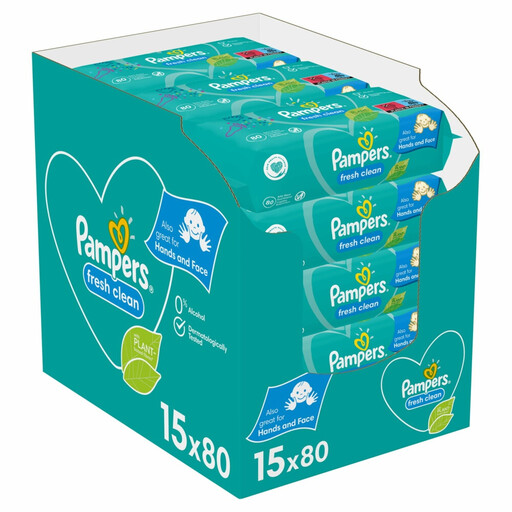
Why it suits this profile: A large pack of 1,200 wipes is practical for families who change their baby regularly at home and want to compare the cost per wipe.
According to the product description, the closure helps prevent the wipes from drying out. However, this variety has a soft, fresh scent, so it isn’t fragrance-free.
1,200 wipes, alcohol-free according to the product information, and suitable for hands, face and bottoms.
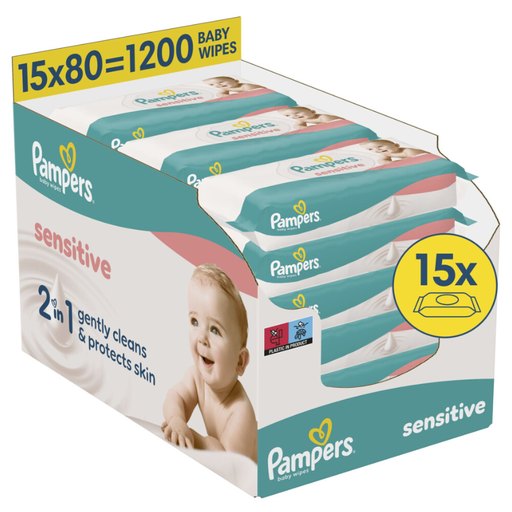
Why it suits this profile: A handy choice for parents specifically looking for Pampers baby wipes without perfume or alcohol, and suitable for use from birth.
The product information states that the wipes are fragrance-free, alcohol-free and colourant-free. This makes it easier to check what you’re choosing than relying on the “sensitive” label alone.
1,200 wipes, a pH-protecting formula according to Pampers, and dermatologically tested according to the product information.

Why it suits this profile: The thick, moist wipes may suit families changing their baby several times a day, or situations where a single wipe needs to absorb more mess.
According to the product information, the wipes are unscented, plastic-free and made from biodegradable plant-based fibres. Do not flush.
960 wipes, an OEKO-TEX mention, extra moisture and wipes that are three times thicker than standard varieties according to the product information.
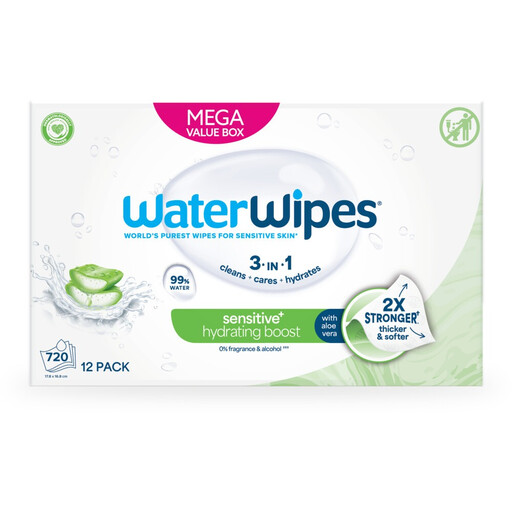
Why it suits this profile: This variety may appeal to families looking for plant-based fibres, water-based wet wipes and multipacks for stocking up.
The product information states that the wipes contain more than 99% water and aloe vera, and are plastic-free and biodegradable. The packaging itself may still contain plastic.
720 wipes, fragrance-free according to the product information, and suitable for use from birth.
We’ve put together a complete, up-to-date list of products that meet these strict selection criteria and the applicable European safety regulations.
This varies by product. Check the packaging for the expiry date or recommended period after opening. A secure closure and storage away from heat can help prevent the wipes from drying out. It’s best not to use wipes that are dry or have clearly changed.
Fragrance-free baby wipes avoid a commonly added source of scent, but that doesn’t guarantee that every child will tolerate them without a problem. Check for alcohol, preservatives and other ingredients, too. If irritation persists, it’s a good idea to speak to a healthcare professional.
No. Biodegradable baby wipes belong in the bin. Plastic-free wipes can also cause blockages and don’t break down like toilet paper.
