
Vandaag of morgen in huis

Kwaliteit gegarandeerd

Welkomstaanbiedingen ontgrendelen: GRATIS bezorging | Tot 80% korting | Gratis 30 dagen JoyPlus-proefperiode
Download de app
Baby wipes are handy for nappy changes, on the go, and for cleaning little hands and faces. However, nappy wipes, moist baby wipes and cleansing wipes differ considerably in their composition, size and use. A low price per pack, therefore, doesn't always reflect the true value.
Words like "mild", "natural" or "water-based" tell you very little without an ingredients list. So always check whether they contain perfume, alcohol, colourants or preservatives. For sensitive skin, many parents choose sensitive baby wipes or perfume-free baby wipes, but always look at the full product information.
A brand name is no guarantee of the same composition across an entire product line either. Pampers baby wipes, Zwitsal baby wipes and other variants can differ from one version to another.
A value pack with hundreds of wipes might seem appealing, but a poorly sealed pack can mean the last few wipes end up dry. Look for a sturdy lid or a resealable flap. Store opened packs in a cool, dry place and close them immediately after use.
Also compare the number of wipes per pack, the number of packs and the price per wipe. That makes a bulk pack much easier to compare with individual packs.
Plastic-free baby wipes or biodegradable wipes are not automatically suitable for the toilet. Even moist wipes made from plant-based fibres can cause blockages. Used baby wipes belong in the bin, unless the packaging explicitly states otherwise. The product information for the wipes discussed here states: do not flush.
For daily nappy changes, alcohol-free baby wipes are often a logical choice if you want to avoid drying ingredients. For sensitive skin, a version without perfume and colourants may be preferable. Also check whether the wipe is intended for nappy area, face, hands or the whole body.
A brand claim about skin-friendliness should be read as product information from the manufacturer. According to Pampers' own research, certain Sensitive variants are dermatologically tested and pH-balanced. That is not a personal guarantee for every child. If redness or irritation occurs, stop using the product and, if necessary, seek advice from a healthcare professional.
The base can consist of synthetic fibres, viscose, cotton or other plant-based fibres. Products with 0% plastic or 100% plant-based fibres can be interesting if you want to limit plastic in disposable products. Do check whether the claim refers to the wipe, the packaging, or both.
A biodegradable material, moreover, does not change the correct disposal method: throwing them away with household waste remains the safe choice if that is stated on the packaging.
A well-moistened wipe spreads lotion or cleansing liquid without falling apart immediately. Thicker wipes can be handy for a more thorough nappy change, while compact packs are suitable for the changing bag.
Look out for:
For reusable cleaning tasks, microfibre cloths or cotton wipes are an alternative. For personal care on the go, disposable washcloths and moist cleansing wipes are more practical.
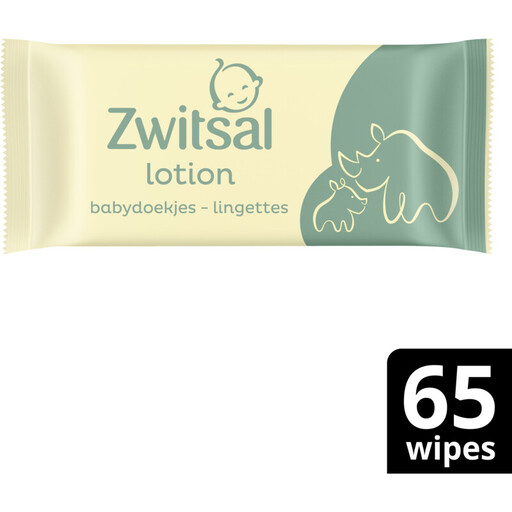
Why this fits the profile: A straightforward pack of 65 wipes for daily use and for getting to know lotion nappy wipes.
The product description mentions a resealable lotion variant, a skin-neutral pH and no alcohol. Check the current packaging for the full ingredients list.
65 wipes per pack; alcohol-free according to the product information; suitable for cleaning and caring for baby's nappy area.
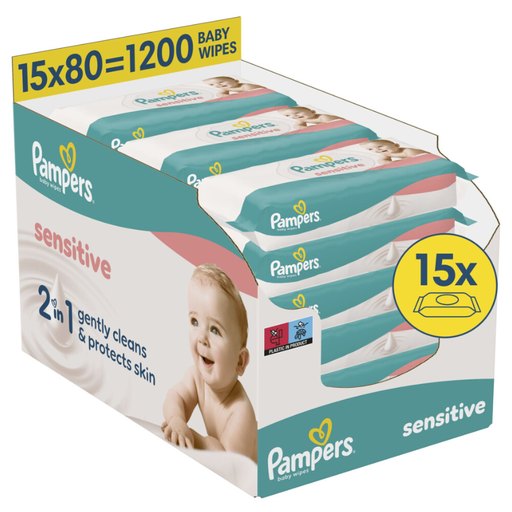
Why this fits the profile: A large supply for families who change nappies frequently and want to use a perfume-free variant.
The specifications state no perfume, no alcohol, no colourants and a resealable pack. This means the main purchasing criteria can be checked in advance.
1,200 wipes; perfume- and alcohol-free according to the product data; intended for use from birth.
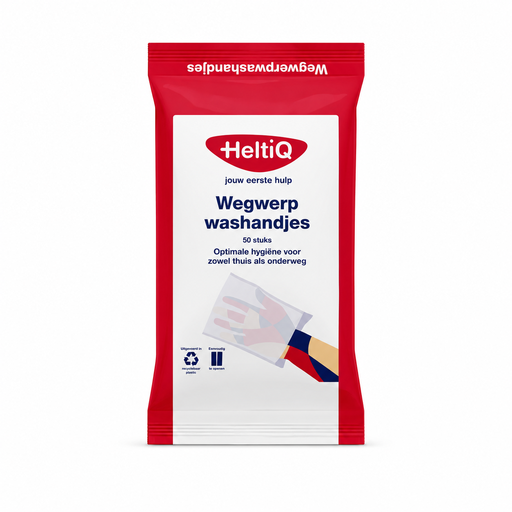
Why this fits the profile: Suitable for travel, camping, sport, home care and situations where you want to add water yourself.
These are dry, non-impregnated disposable washcloths. So you choose when to use water and prevent lotion wipes from drying out unused.
50 large dry washcloths; non-impregnated; for single use and personal cleansing.
We have compiled a full, up-to-date list of products that fully meet these strict selection criteria and comply with current European safety regulations.
Not every wipe is for nappy changes. Face wipes and cotton cleansing wipes are useful for daily care or removing make-up. Purcotton, for example, offers dry tissues made from 100% cotton that, according to the product description, can be used dry or damp. Derlon Baby Face Wipes are intended for the face, but according to the listed ingredients they do contain perfume.
For on the go, Care Plus Hygiene Handy Wash Wipes can be practical. The product description mentions viscose, a recyclable pack and biodegradability of the wipes. There is also perfume in the ingredients list. So if you want to avoid perfume, it is better to choose a different variant.
Use microfibre cloths, such as the Cleany cloths, mainly for surfaces around the house. They are washable and reusable, but are not intended as baby wipes for the skin.
Not automatically. Perfume-free and alcohol-free are clear properties, but other ingredients, friction and how often you use a wipe also play a role. Test a new product carefully first and stop if irritation occurs.
This varies by brand and pack. Check the expiry date and any information about the period after opening. Close a pack immediately after use. Some products, such as variants with fewer preservatives, may, according to the manufacturer, have a shorter period of use after opening.
Plant-based fibres are often used, but the exact claim varies from product to product. Check whether "plastic-free" refers to the wipe or also to the packaging. Throw used wipes in the bin and do not flush them down the toilet.
