
Vandaag of morgen in huis

Kwaliteit gegarandeerd

Welkomstaanbiedingen ontgrendelen: GRATIS bezorging | Tot 80% korting | Gratis 30 dagen JoyPlus-proefperiode
Download de app
Baby wipes may seem straightforward at first glance: open a pack, take a wipe and change your baby. However, wet wipes for babies vary considerably in their ingredients, size, moisture level, closure and material. As a result, a low price per pack may work out less economical if the wipes dry out quickly or you need to use several at a time.
As a Joybuy Product Recommendation Officer, I filter product information based on verifiable features. Below, you’ll find what to look for in baby wipes for sensitive baby skin, which marketing claims to assess critically and which products suit different situations.
A large pack of baby wipes is convenient for everyday nappy changes, but only if the packaging retains moisture effectively. A loose flap or poorly closing opening can cause the top wipes to dry out. Therefore, check whether the pack has a resealable flap or closure and close it fully after every use.
Softness says little about fragrances, alcohol, preservatives or other ingredients. Parents looking for fragrance-free baby wipes or alcohol-free baby wipes should read the ingredients list rather than relying solely on the front of the packaging.
A simple formulation may be practical for sensitive baby skin. Stop using the wipes if redness or irritation develops and seek advice from a healthcare professional if symptoms persist.
Plastic-free baby wipes and biodegradable baby wipes are not the same as flushable wipes. In the Netherlands, wipes made with plant-based fibres should generally also go in the general waste. Therefore, do not flush used baby wipes down the toilet unless local waste guidance expressly says otherwise.
Also pay attention to the difference between the material used for the wipe and the material used for the packaging. A wipe may be plastic-free even though the packaging contains plastic.
First, check the full ingredients list and look for specific features such as:
Use a wipe for the purpose described. A wipe intended for bottoms, face and hands is more versatile than a product marketed solely as a face wipe.
A thicker wipe may be less likely to tear and may absorb more dirt, but that does not automatically mean you will always use fewer wipes. Check whether the product information states the thickness, fibre composition or size.
For example, Purcotton lists 100% cotton as the material. The product information also states that the tissues can be used dry or wet and mentions OEKO-TEX STANDARD 100 certification. BC Babycare, meanwhile, specifies plant-based cellulose fibres, with a thickness stated by the manufacturer to be three times that of standard wipes. As these are brand comparisons, it is best to view them as product specifications rather than universal performance guarantees.
Do not compare only the price of a pack. Calculate:
total price ÷ total number of wipes = price per wipe
Also consider the number of packs. A pack containing 15 × 80 wipes contains 1,200 wipes, while 12 × 60 wipes amounts to 720 wipes. A smaller multipack may be more convenient to try first, whereas a large pack is better suited to families who change nappies frequently every day.
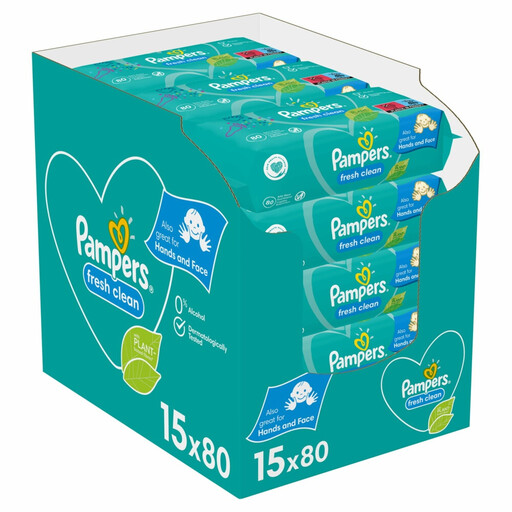
Why this suits the profile: The pack contains 15 packs of 80 wipes, making it suitable for everyday use at home. The product information states that they can be used on bottoms, hands and face.
The packaging has a closure which, according to the product description, helps to keep the wipes moist. Check on delivery that the flap closes securely.
1,200 wipes in total; alcohol-free according to the product information; soft yet durable wipe texture.
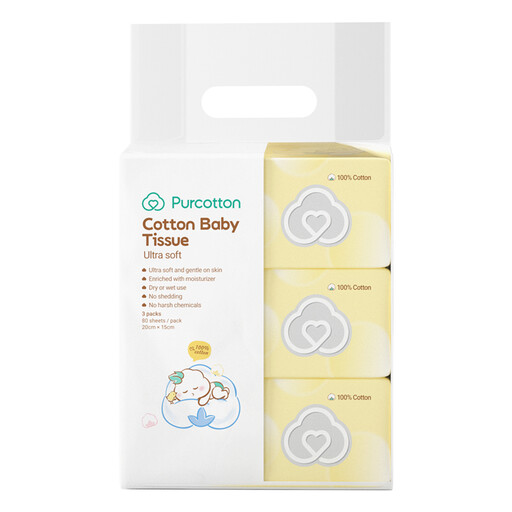
Why this suits the profile: These are dry cotton tissues that can be used with water as required. This suits parents who want to decide for themselves how moist the tissues should be and how to use them.
The composition is listed as 100% cotton and free from fragrance, alcohol and fabric softener. This makes it clear what you are buying.
240 sheets across three packs; suitable for dry or wet use; OEKO-TEX STANDARD 100 is mentioned in the product information.

Why this suits the profile: The multipack contains 12 packs of 80 wipes. This is practical for families who change nappies frequently or keep several packs in different places.
The product information states that the formula is fragrance-free and contains 99% purified water and plastic-free cellulose fibres. Check the packaging for the latest information.
960 wipes; fragrance-free; OEKO-TEX certification and a structure stated by the manufacturer to be three times thicker.
We have put together a complete, up-to-date list of products that fully meet these strict selection criteria and the applicable European safety regulations.
With water-based baby wipes or dry cotton tissues, you may sometimes decide yourself when to moisten the wipe. This can be convenient at home, but when you’re out and about, ready-to-use wet wipes are usually simpler.
No. Being fragrance-free is just one feature. Also check the other ingredients, the material and any warnings. If in doubt, test a small number of wipes first and stop using them if irritation occurs.
This varies by brand and product. The shelf life or period after opening is stated on the packaging. According to the product information, some water-based wipes have a shorter period of use after opening than wipes with a more extensive preservative system. Close every pack carefully and always follow the label.
No, not automatically. Biodegradable or plastic-free refers to the material, not whether the wipes are suitable for the sewer system. Dispose of used baby wipes in a waste bin to help prevent blockages.
