
Vandaag of morgen in huis

Kwaliteit gegarandeerd

Welkomstaanbiedingen ontgrendelen: GRATIS bezorging | Tot 80% korting | Gratis 30 dagen JoyPlus-proefperiode
Download de app
Baby wipes are handy at every nappy change, when you’re out and about or after mealtimes. However, choosing the right ones is less straightforward than packaging in a soft colour and a familiar brand name might suggest. Wet baby wipes vary in terms of fragrance, alcohol, moisture content, fibre material and pack size.
The following pitfalls are common:
For newborns and babies with sensitive skin, many parents opt for a simple formulation. Look out for terms such as fragrance-free, alcohol-free and colourant-free. A fragrance may seem pleasant, but it is not necessary for cleaning the skin.
Check the ingredients list on the packaging. Water, mild cleansing ingredients and moisturising ingredients are often found in wet wipes for babies. Some products also contain aloe vera, glycerine or plant extracts. This does not automatically make them suitable for every child; the most important thing is to watch how the skin reacts.
Claims such as “dermatologically tested” or “suitable for sensitive skin” come from the brand. Treat them as the manufacturer’s product information and check the current packaging. According to Pampers’ own research, certain Sensitive wipes are gentler than cleaning with cotton wool and water; this is a brand claim and not a universal guarantee for every child.
If you are looking for plastic-free baby wipes or biodegradable baby wipes, you need to distinguish between the wipe and the packaging. A wipe may be made from plant-based fibres while the outer packaging or resealable lid contains plastic.
Therefore, check:
Put used baby wipes in the bin. UK drainage systems are not designed for disposable wipes, even when a particular variant is described as biodegradable.
Baby wipes with 99% water appeal to parents looking for a simple formula. However, also look at the other ingredients and the type of fibre. A high water content alone says nothing about the thickness, tear resistance or size of the wipe.
A resealable lid helps retain moisture. Close the pack immediately after use and store it in a cool, dry place away from direct sunlight. A thin wipe may require more sheets for a big clean-up than a thicker one. So do not just compare the price per pack; also compare:
price per wipe = total price ÷ total number of wipes
For a family changing nappies every day, a multipack containing 780 to 1,200 wipes can be practical. For a changing bag, compact packs of 20 to 60 wipes are usually easier to carry.
The recommendations below are based on verifiable information from the supplied product details, such as the number of wipes, fragrance, alcohol, material and intended use.
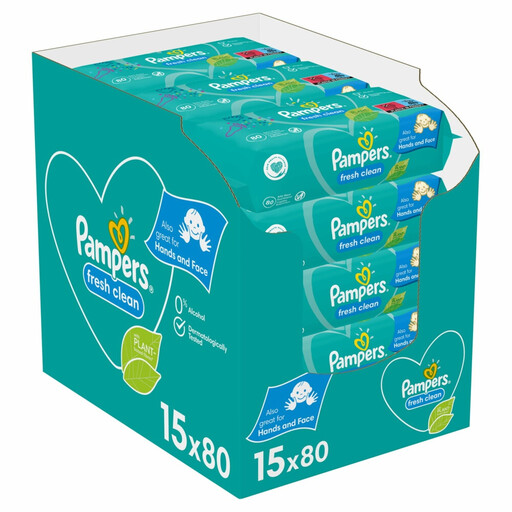
Why this suits the profile: A large pack containing 1,200 wipes is suitable for families who change nappies regularly at home and want to clean hands or faces.
The product information mentions a resealable closure and alcohol-free lotion. However, check whether a light fragrance suits your preferences.
1,200 wipes; according to the product description, suitable for bottoms, hands and faces; alcohol-free.

Why this suits the profile: This option is aimed at parents who place particular importance on thickness, an unscented formula and clear material information.
The product information mentions fibres that are three times thicker, an unscented formula and 100% biodegradable, plastic-free cellulose. This remains a manufacturer specification.
960 wipes; 99% purified water according to the product description; OEKO-TEX reference 25.HUS.21538 Hohenstein.
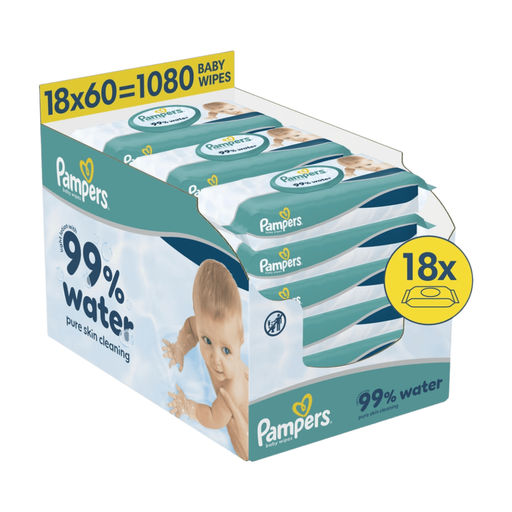
Why this suits the profile: A pack containing 1,080 wipes is suited to intensive daily use, for example in a family with several nappy changes each day.
According to the product information, the wipes are fragrance-free, alcohol-free and made from plant-based fibres with 0% plastic. Always close the lid properly to help prevent them from drying out.
18 packs of 60; 99% water according to the product information; suitable from 0 months according to the stated product specification.
Use a fresh wipe for each clean and avoid contact with the eyes. Stop using the wipes if redness or irritation occurs. Consult a healthcare professional if symptoms persist. Baby wipes are intended for external use only and should not be flushed.
With a newborn, it may be sensible to buy just one pack first. This lets you see how the skin reacts before investing in a multipack. Small packs are handy when you’re out and about; at home, a multipack can reduce the price per wipe. Also check the expiry or usage information on the packaging. Some variants have a limited period of use after opening.
We have put together a complete, up-to-date list of products that fully meet these strict selection criteria and the applicable European safety regulations.
A high water content may appeal to parents looking for a simple formula. You should also check the full ingredients list, the material, the age recommendation and the manufacturer’s instructions for use. For a newborn, it is best to test a small amount first.
This varies by brand and product. The relevant information is provided on the packaging. Fully close the pack after each use and store it somewhere dry and away from heat. If the wipes have dried out, changed colour or developed a different smell, do not use them.
No. Fragrance-free and alcohol-free are useful selection criteria, but they do not guarantee that every child will tolerate the product well. Preservatives and other ingredients may also play a role. Check the formulation and stop using the wipes if irritation occurs.
