
Vandaag of morgen in huis

Kwaliteit gegarandeerd

Welkomstaanbiedingen ontgrendelen: GRATIS bezorging | Tot 80% korting | Gratis 30 dagen JoyPlus-proefperiode
Download de app
Baby wipes may seem straightforward, but there are big differences between them. One pack contains fragrance, while another is fragrance-free. Some wipes are designed for everyday use, while others are especially handy when you’re out and about. The number of wipes in a pack can also make a big difference to the price per wipe.
As a Joybuy Product Recommendation Officer, I filter product information by practical details: ingredients, material, size, closure and intended use. That way, an appealing marketing claim doesn’t take priority over what you actually need.
A large pack of baby wipes may seem like good value, but always compare the price per wipe. A pack of 960 wipes may work out cheaper than several smaller packs, but only if you use them in good time and seal them properly. An opened pack can dry out if it’s stored for too long.
Also check how many packs are in the box. For example, Pampers Sensitive is available as 15 packs of 80 wipes, giving you 1,200 in total. The Pampers Sensitive Plastic Free version contains 24 packs of 52 wipes, giving you 1,248 in total. So the number of packs and wipes per pack can vary considerably.
Many wet wipes for babies are mostly water, but they may also contain preservatives, cleansing agents or plant extracts. So check the full ingredients list. Product claims such as “mild”, “natural” or “for sensitive skin” are no substitute for checking the ingredients.
According to the product description, WaterWipes Hydrating contains ingredients including water, aloe vera, glycerine and grapefruit seed extract. Pampers Sensitive lists ingredients including citric acid, sodium citrate and sodium benzoate. Neither formula is necessarily suitable for every child, so pay attention to how your baby’s skin reacts.
Plastic-free baby wipes shouldn’t go down the toilet either. The fibres may be biodegradable, but the wipes don’t break down like toilet paper. So put used baby wipes in the bin. This also applies to wipes with claims about environmentally friendly materials.
For families looking for products with as little fragrance as possible, fragrance-free baby wipes are a sensible category to consider. Check the packaging and ingredients list, though, as a familiar brand name or neutral packaging doesn’t always tell you enough.
Alcohol-free baby wipes are also popular. According to the product information, Pampers Sensitive wipes are free from alcohol, fragrance and colourants. Bc Babycare wipes are also described as fragrance-free. If irritation or redness occurs, don’t try new wipes until you’ve considered the cause. Stop using them if your baby’s skin becomes uncomfortable.
A thin wipe may be enough for a quick clean, but a sturdier one can be more practical when changing a dirty nappy. Look at:
According to the product description, the Bc Babycare version is three times thicker than many standard wipes and claims to have 3.8 times more moisture. These are manufacturer claims, so focus on whether the thickness and moisture level suit your needs.
A secure lid or resealable strip helps stop wipes from drying out. Close the pack fully after each use, and don’t store it for long periods in direct sunlight or near heat. Check the shelf-life or usage information on the packaging, especially for multipacks.
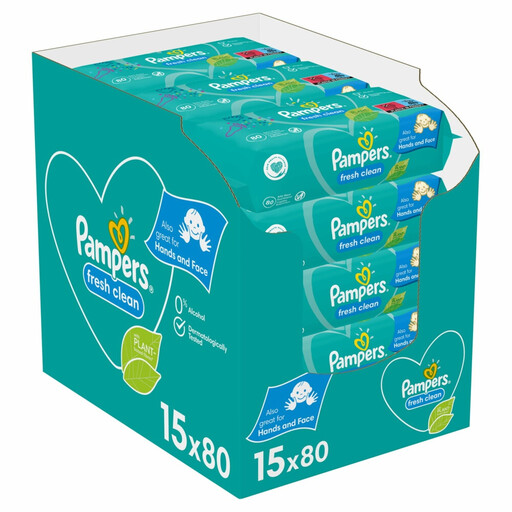
Why it suits this profile: The set contains 15 packs of 80 wipes, making it a good choice for families who change nappies regularly and like to keep a supply at home. According to the product description, the wipes are alcohol-free and dermatologically tested.
The set pack size makes the total number of wipes clear. According to the product description, the closure helps prevent them from drying out.
A large supply; suitable for bottoms, hands and face according to the product information; soft yet strong texture.
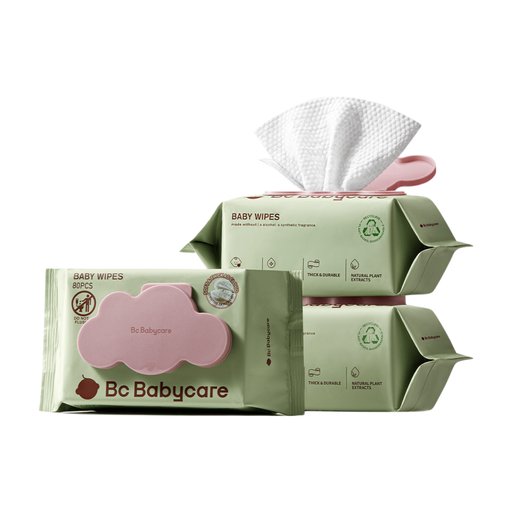
Why it suits this profile: According to the product description, these fragrance-free wipes are OEKO-TEX-certified and made with 99% purified water. Their thicker texture makes them a good option if sturdiness matters to you.
The product information lists the material, certification and ingredients. This makes it easier to compare the claims about fragrance and material with those of other baby wipes.
Fragrance-free; made with plant-based fibres according to the description; available in a set of 3 packs of 80 wipes.
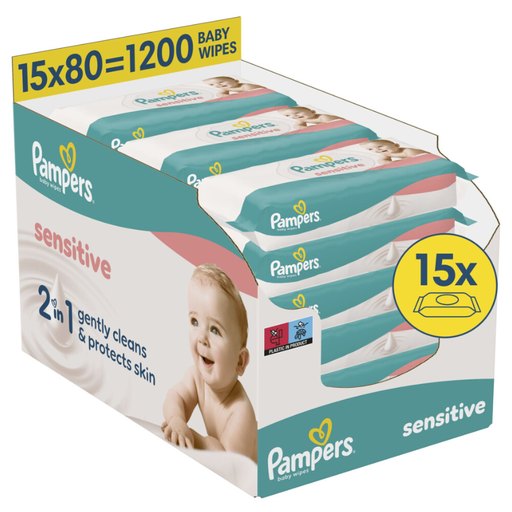
Why it suits this profile: With 1,200 wipes, this large pack is aimed at families who use wipes frequently every day. According to the product description, the wipes are fragrance-free, alcohol-free and suitable from birth.
The total number of wipes and the ingredients are clearly listed. The resealable pack is designed to keep the wipes moist.
1,200 wipes; fragrance-free and alcohol-free according to the product information; pH-protecting formula according to the manufacturer.
We’ve put together a complete, up-to-date list of products that meet these strict selection criteria and the applicable European safety regulations.
Not necessarily. According to the product information, fragrance-free baby wipes contain no added fragrance, but they may still contain other ingredients that a child reacts to. Check the ingredients list and stop using them if redness, itching or other discomfort occurs.
Close the lid or pack immediately after use. Store the wipes in a cool, dry place, away from prolonged direct sunlight and heat sources. If you’ve bought a multipack, it’s a good idea to keep the unopened packs separate.
Some manufacturers say their wipes are made from biodegradable, plant-based fibres. Check the product description and packaging to confirm. Biodegradable doesn’t mean flushable: used wipes should always go in your household waste.
