
Vandaag of morgen in huis

Kwaliteit gegarandeerd

Welkomstaanbiedingen ontgrendelen: GRATIS bezorging | Tot 80% korting | Gratis 30 dagen JoyPlus-proefperiode
Download de app
Baby wipes are handy at every nappy change, when you’re out and about, and for messy little hands. Yet many packs look more alike than they really are. A low price per pack may, for example, work out less economical if the wipes dry out quickly or are so thin that you need several at a time.
The main pitfalls when buying baby wipes are:
For parents looking for baby wipes for sensitive skin, fragrance-free baby wipes and alcohol-free baby wipes are often a sensible first choice. Fragrance may be undesirable for some users, so choose based on the ingredients list rather than just the front of the pack.
A product description may, for example, state “unscented”, “fragrance-free” or “without perfume”. Check the label again when your order arrives, as product formulations and packaging may change. If redness or irritation occurs, stop using the product and follow the instructions on the packaging.
99% water baby wipes contain a high proportion of water according to the product information, but may also contain preservatives, moisturising agents or plant extracts. “99% water” is therefore not synonymous with “water only”.
Thicker wipes can be useful for more intensive nappy changes, as they are less likely to tear. The BC Babycare wipes, for example, state that they have a structure three times thicker than many standard wipes and contain 3.8 times more moisture. These are product specifications from the offer; compare them with the information on the packaging.
Also consider the material. Plastic-free baby wipes are often made from plant-based fibres, but “biodegradable” does not mean that you can flush them down the toilet.
Don’t just compare the number of packs; calculate the price per wipe:
total price ÷ total number of wipes = price per wipe
A pack of 15 packs containing 80 wipes has 1,200 wipes. Another multipack may contain more packs but fewer wipes per pack. Also consider:
For a newborn, newborn baby wipes with a simple formulation may be more appealing than universal scented wipes. A separate product may be more practical for hands and face, particularly if the manufacturer explicitly states that it is suitable for this use.
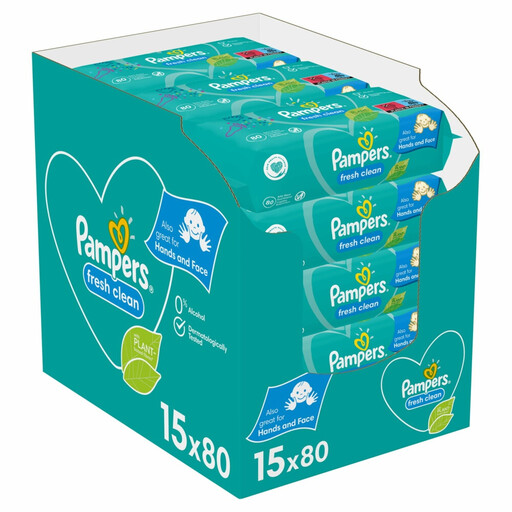
Why this suits the profile: The pack contains 15 packs of 80 wipes, making it suitable for everyday use in a household with a baby.
The product information states that the wipes have a resealable closure, alcohol-free lotion and have been dermatologically tested. The description also mentions a soft, fresh scent, so don’t choose these if you want to avoid fragrance.
15 x 80 wipes; suitable for bottoms, hands and face according to the product description; alcohol-free.

Why this suits the profile: If thickness, moisture and material matter to you, this product provides clear specifications to compare in advance.
The offer states that the wipes are fragrance-free, OEKO-TEX certified and made with a plant-fibre base. The manufacturer advises against flushing the wipes down the toilet.
960 wipes; unscented; 100% biodegradable, plastic-free cellulose fibres according to the product information.
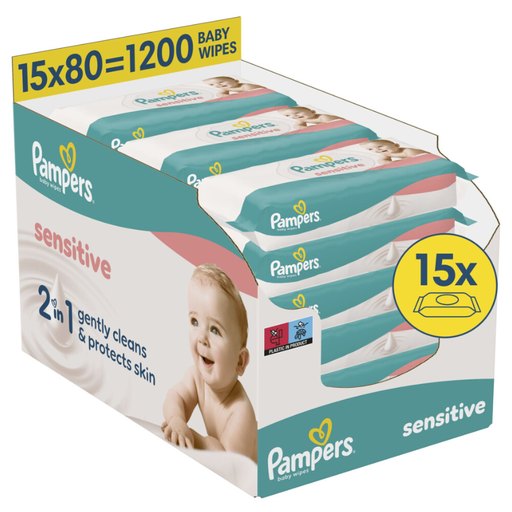
Why this suits the profile: The large supply is practical for everyday nappy changes, while the product information indicates that these wipes are suitable from birth.
According to Pampers’ own product information, these wipes are free from fragrance, alcohol and dyes. Check the current packaging for the full formulation.
1,200 wipes; fragrance-free and alcohol-free according to the product details; resealable packaging.
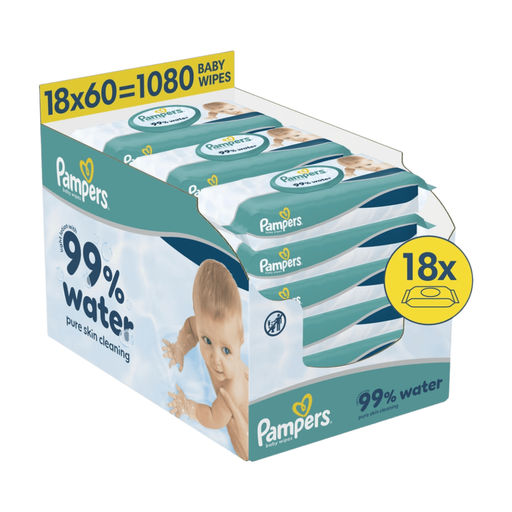
Why this suits the profile: This multipack combines a high stated water content with wipes made from plant-based material.
The product information states 99% water, no fragrance or alcohol, and 0% plastic in the wipe. Close the packaging properly after use to help prevent the wipes from drying out.
18 packs of 60 wipes; alcohol-free and fragrance-free according to the product details; fibres of plant origin.
We’ve put together a complete, up-to-date list of products that fully meet these strict selection criteria and the applicable European safety regulations.
Use baby wipes on your baby’s skin and follow the age and usage instructions on the packaging. Moist toilet paper is intended for personal hygiene when using the toilet. Even when flushable toilet wipes are marketed as flushable, caution is needed: toilets and sewer systems can become blocked. Other products, such as g’woon Wet Toilet Paper, specifically state that they must not be flushed down the toilet.
Never use household wet wipes, such as all-purpose cleaning wipes, on a baby’s skin. They are designed for surfaces and have a different formulation.
Products with these characteristics are often marketed for use from birth, but always check the age recommendation and ingredients list. Use the wipe externally only, avoid contact with the eyes and stop using it if irritation occurs.
Close the lid or adhesive strip immediately after each use. Store unopened packs in a cool, dry place, away from direct sunlight and sources of heat. Only buy a large multipack if you can use all the packs within the recommended usage period.
No, baby wipes should normally go in the bin. Even if a product is described as flushable, it is advisable to follow the instructions on the packaging and take local sewer infrastructure into account. Moist toilet paper and baby wipes are different product categories.
