
Vandaag of morgen in huis

Kwaliteit gegarandeerd

Welkomstaanbiedingen ontgrendelen: GRATIS bezorging | Tot 80% korting | Gratis 30 dagen JoyPlus-proefperiode
Download de app
A pack of baby wipes may seem easy to compare: just look at the number of wipes and the price. But differences in materials, lotion, closures and packaging can make a big difference to everyday use. A wipe that tears easily, dries out or contains fragrance when you’re looking for fragrance-free baby wipes can lead to extra cost and frustration.
When buying baby wipes, pay particular attention to these three points:
A large number of wipes doesn’t tell the whole story
A bulk pack may look like good value, but compare the price per wipe as well as the thickness. A thin wipe may tear more easily or absorb less dirt, so you could end up needing several.
“Water-based” doesn’t automatically mean fragrance-free
Always check the ingredients and product description. Some baby wipes contain lotion, fragrance or plant extracts. That may suit you if you prefer a scented product, but it may not be the right choice if you’re specifically looking for alcohol-free or fragrance-free baby wipes.
Sustainability terms can mean different things
“Biodegradable” and “plastic-free” usually refer to the wipe material, not necessarily the entire pack. So check the material of both the wipe and the primary packaging. Put used wipes in your general waste bin, too; don’t flush them down the toilet.
If you’re looking for plastic-free baby wipes, check what the wipes are made from. Product information may mention plant-based fibres, cellulose, viscose or lyocell, for example. That tells you more than a general claim that a product is “natural”.
A thicker wipe may be easier to use when changing your baby, but thickness alone doesn’t determine quality. Also check whether the product description says the wipe is strong enough not to tear easily. Reusable cotton muslin cloths are an alternative, but they need to be washed, so they’re not the same as disposable wipes.
Many parents choose alcohol-free baby wipes without fragrance for newborns or sensitive skin. Check the ingredients list rather than relying on the front of the pack. A product may say “gentle lotion”, for example, but still contain fragrance.
Claims about gentleness, skin protection or suitability for a particular skin type come from the manufacturer. According to the product information from various brands, some wipes have been dermatologically tested or are suitable from birth. That doesn’t guarantee that every baby will tolerate them without any problems. Stop using them if redness or irritation occurs, and follow the instructions on the pack.
A secure lid or resealable pack can help stop baby wipes from drying out too quickly. Keep opened packs sealed, away from heat and direct sunlight. For products with a limited shelf life, always check the date and any information about how long they can be used after opening.
If you’re looking for baby wipes with 99% water, check the other ingredients too. “99% water” doesn’t mean the wipe is made of water alone. It may also contain preservatives, moisturising ingredients or plant extracts, for example.
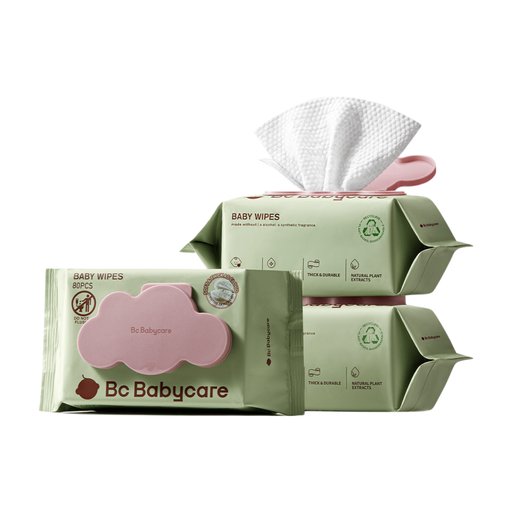
Why it suits this profile: The pack of 240 wipes is a manageable size for families who want to try a product without immediately buying a very large supply.
According to the product information, these wipes are fragrance-free and made with 99% purified water. This makes it easier to compare the ingredients carefully instead of relying on marketing terms alone.
The product description mentions OEKO-TEX certification, fibres that are three times thicker than those in many standard wipes, and a plastic-free, plant-based base.
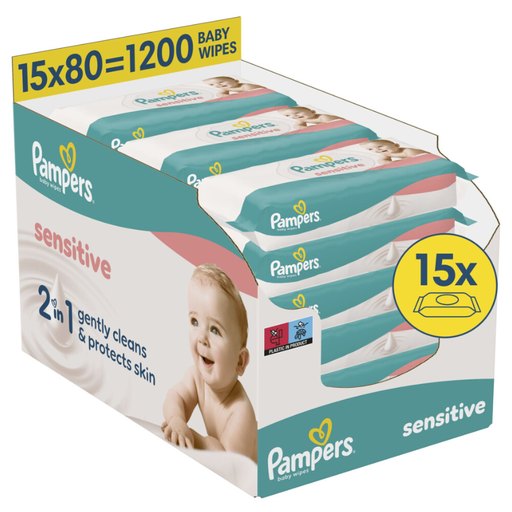
Why it suits this profile: The bulk pack of 1,200 wipes is ideal for households that change nappies every day and would rather order new packs less often.
The product information says the wipes are fragrance-free, alcohol-free and dye-free. The resealable closure is designed to help prevent them from drying out.
The pack contains 1,200 wipes. According to the product description, they have been dermatologically tested and are intended for use from birth.
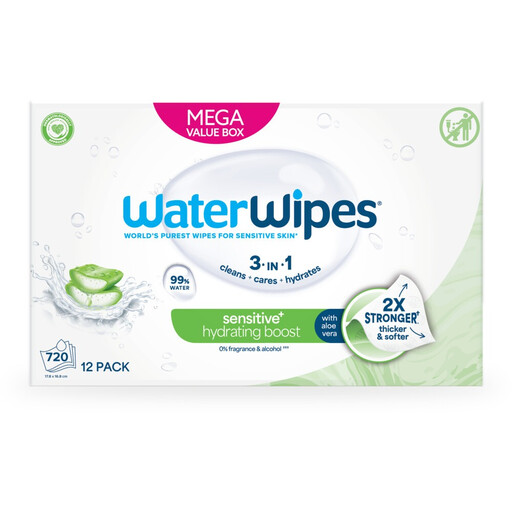
Why it suits this profile: The supply of 720 wipes is practical for frequent everyday use and for families looking for a simple formula.
According to the product information, these wipes contain more than 99% water and are plastic-free. Check the full ingredients list, though, which also includes aloe vera and other ingredients.
The product description mentions biodegradable wipe material, a fragrance-free formula and a pack of 720 wipes.
We’ve put together a complete, up-to-date list of products that meet these strict selection criteria and the applicable European safety requirements.
Not necessarily. The water percentage is just one specification. Check the other ingredients too, such as fragrance, preservatives and plant extracts. The manufacturer may say that certain products are suitable for sensitive skin, but every baby can react differently.
It varies by product. The shelf life after opening is shown on the packaging or in the product information. Reseal the pack after each use and store it in a cool, dry place. It’s best not to use wipes that have dried out, changed colour or developed an unusual smell.
The product information may say that the wipe material is biodegradable, but that doesn’t automatically tell you anything about the entire pack or how it should be disposed of. So check the material of both the wipe and the packaging. Used wipes should go in your general waste bin, not down the toilet.
