
Vandaag of morgen in huis

Kwaliteit gegarandeerd

Welkomstaanbiedingen ontgrendelen: GRATIS bezorging | Tot 80% korting | Gratis 30 dagen JoyPlus-proefperiode
Download de app
As a parent, you're constantly making choices. The baby wipes aisle is a perfect example. The packaging makes all sorts of promises, but in practice, many wipes disappoint. They're too dry, tear easily, or that special offer on baby wipes turns out not to be such a great deal after all.
As a Joybuy Product Recommendation Officer, I'm here to help you see past the marketing hype. We'll focus on what really matters, so you can make a choice that both your baby and your wallet will love. Let's take a look at the most common pitfalls.
To avoid a bad buy, it's smart to pay attention to a few key specifications. This information is often right on the package, if you know where to look.
A baby's skin is thin and delicate. That's why the ingredients list should be the first thing you check.
A thin wipe tears easily, forcing you to use more. A thicker, sturdier wipe is more efficient and therefore more economical in the long run. Pay attention to the material's texture. A wipe with a light texture (like a waffle or honeycomb pattern) can help clean more effectively with fewer swipes. These types of baby wipes are more pleasant to use and gentler on the skin.
A common complaint is that baby wet wipes dry out quickly. This is almost always due to poor packaging. A flimsy adhesive sticker stops sealing properly after just a few uses. Instead, opt for packaging with a sturdy, hard plastic lid. This keeps the wipes moist down to the very last one. This is an especially crucial detail for a baby wipes value pack.
Based on these criteria, we've selected a few products that suit different needs and budgets.
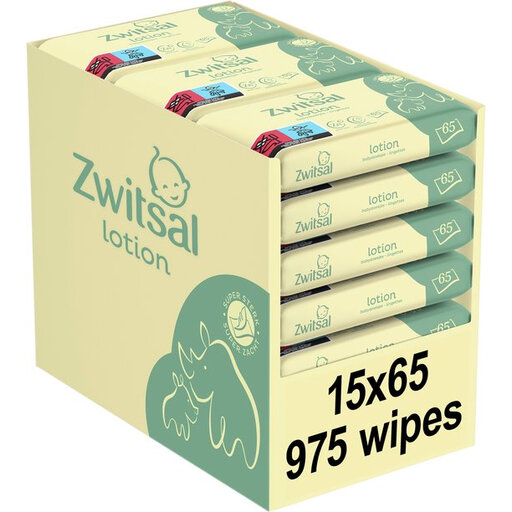
Why This Fits Their Persona: For parents who like to stock up and trust a well-known brand. This value pack offers a low price per wipe without compromising on the trusted quality and scent of Zwitsal baby wipes.
This is a true baby wipes value pack. The large quantity ensures a competitive price per wipe, saving you money in the long run.
The lotion is enriched with zinc ointment ingredients and chamomile extract. According to Zwitsal, this helps prevent diaper rash and soothes the skin.

Why This Fits Their Persona: Ideal for parents of newborns or babies with very sensitive or eczema-prone skin. If you want the fewest ingredients possible, this is a popular choice.
These wipes bypass the 'natural' marketing myth by being transparent. The ingredients list is extremely short and clear: 99.9% water and a drop of fruit extract.
Contains only two ingredients and is free of chemicals. According to the manufacturer, this makes the wipes suitable for the most delicate skin.
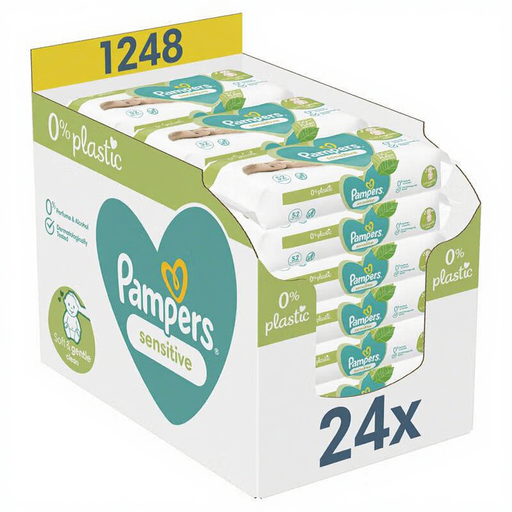
Why This Fits Their Persona: For the parent who wants a soft wipe for sensitive skin combined with a more sustainable choice. These Pampers baby wipes are a great middle ground between skincare and environmental impact.
These wipes are explicitly plastic-free. This directly addresses the hidden problem of microplastics found in many standard wipes, making it a clear and honest product feature.
Made from 100% plant-based fibres. The formula is dermatologically tested, free of alcohol and fragrance, and helps protect the skin's natural pH balance.
We have compiled a complete, up-to-date list of products that meet these selection criteria and local regulations.
Although they look similar, there are differences. Baby wipes are often thicker and sometimes contain conditioning ingredients like zinc oxide, specifically for the diaper area. Face & hand wipes are usually milder and formulated for the sensitive skin on the face and hands. They typically don't contain oily or protective layers.
The key is the packaging. Make sure you seal the package tightly after each use. A hard, plastic flip-top lid works significantly better than a simple sticker. Store the packs in a cool place, out of direct sunlight. If you have a bulk pack, you can fill a smaller, refillable travel case to minimise opening the large package.
No, this is strongly discouraged. Even wipes marketed as 'flushable' can cause serious blockages in the sewage system. The fibres do not break down as quickly as toilet paper. Always dispose of used baby wipes in the bin. This also applies to plastic-free baby wipes.
