
Vandaag of morgen in huis

Kwaliteit gegarandeerd

Welkomstaanbiedingen ontgrendelen: GRATIS bezorging | Tot 80% korting | Gratis 30 dagen JoyPlus-proefperiode
Download de app
Baby wipes are handy for nappy changes, sticky hands and quick clean-ups when you’re out and about. However, not every pack is automatically suitable for every situation. A soft wipe may be too wet, a large bundle may dry out, and a product with a “water-based” formula may still contain several additional ingredients.
If you’re buying baby wipes for everyday use, it’s worth looking beyond the price per pack. Check the ingredients, material, seal and number of wipes per pack too. Below, you’ll find the key points to consider, along with some popular options based on the available product specifications.
A soft wipe feels pleasant, but that doesn’t automatically mean the product is fragrance-free or alcohol-free. Some baby wipes contain a fresh scent or lotion. According to the product description, Pampers Fresh Clean is soft, alcohol-free and dermatologically tested, but it does contain a gentle fresh fragrance.
For babies with sensitive skin, many parents prefer fragrance-free baby wipes. Always check the ingredients list and product information. “Natural”, “water-based” and “mild” are not substitutes for a clear statement about fragrance, alcohol, colourants and preservatives.
A pack containing hundreds of wipes may look appealing, but its true value depends on both the number of wipes and how practical they are to use. A thin wipe may tear more quickly or absorb less dirt, meaning you need more of them per nappy change.
Compare:
A bulk pack of baby wipes is particularly practical if you can store several packs unopened. This keeps unopened packs usable for longer and prevents all the wipes from drying out at once.
With plastic-free baby wipes, the wipe material is made from plant-based fibres according to the product description. This may appeal to anyone looking to use less plastic in disposable products. However, plastic-free or biodegradable does not mean that wipes belong in the toilet.
The same applies to baby wet wipes: dispose of used wipes in the bin unless your local waste disposal guidance says otherwise. The safest general option is not to flush them, as wipes can cause blockages.
For newborns and sensitive skin, look for:
A product description may state that a formula supports the skin’s pH, is dermatologically tested or is suitable from birth. Treat this as information provided by the brand or seller. According to a brand’s own research, for example, a product may be gentler than cleaning with cotton wool and water, but this is not a universal guarantee for every baby’s skin.
Stop using the product if redness, itching or other discomfort occurs. If skin problems persist, it’s advisable to seek advice from a healthcare professional.
The wipe itself may be made from non-woven fibres, cellulose, cotton or another textile base. Biodegradable baby wipes are often made from plant-based fibres, but check that this characteristic is clearly stated in the product specifications.
Also consider the balance between softness and strength. Thicker wipes can be useful for bigger clean-ups, while thinner wipes take up less room in a changing bag. A thickness claim such as “three times thicker” is a comparison taken from the brand’s product information and depends on the reference product used.
A wipe that is too dry is less comfortable to use for cleaning. An extremely wet wipe may leak inside a changing bag. A secure lid or resealable pack helps retain moisture.
Store opened packs in a cool, dry place away from direct sunlight. Reseal the pack after every use. Always check the label for information about shelf life, how long the product can be used after opening and storage.
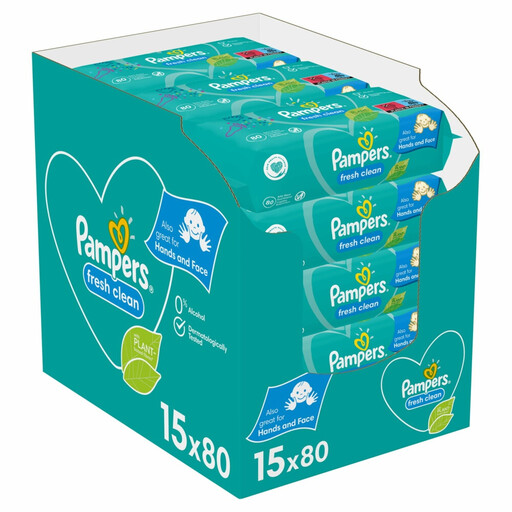
Why it suits this profile: The bundle contains 15 packs of 80 wipes, making 1,200 in total. That’s practical for families who want to store several packs at home and regularly use wipes for nappy changes, hands and faces.
The resealable closure is designed to help prevent the wipes from drying out. However, according to the description, the lotion has a fresh fragrance, so the wipes are not fragrance-free.
1,200 wipes, alcohol-free according to the product information, and suitable for cleaning bottoms, hands and faces.

Why it suits this profile: This option is aimed at parents looking for an unscented wipe with extra thickness for everyday baby care and sensitive skin.
The specifications state that the formula is unscented, contains 99% purified water and uses a plant-based fibre base. Reseal each pack properly to help prevent the wipes from drying out.
960 wipes, OEKO-TEX certification with number 25.HUS.21538 and a structure described in the product information as three times thicker.
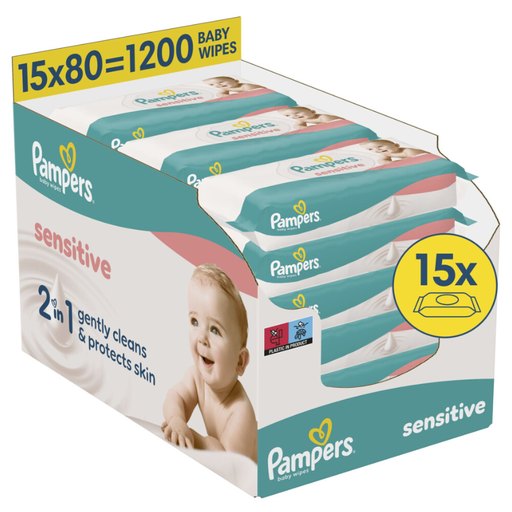
Why it suits this profile: With 1,200 wipes, this bulk pack is ideal for families who use a lot of wipes every day and are looking for a fragrance-free option suitable from birth.
The product information states that the wipes are fragrance-free, alcohol-free, colourant-free and suitable from birth. The packaging has a closure to help prevent drying out.
1,200 wipes, plant-based fibres and a pH-focused formula according to the product description.
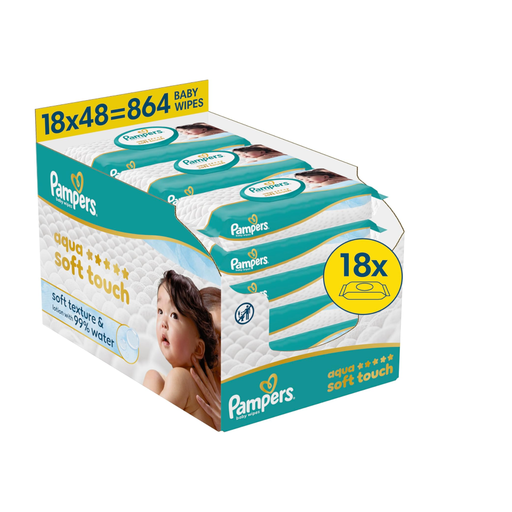
Why it suits this profile: The smaller packs are handy for a changing bag, nursery or car. The product description states that they are suitable from the first day and use a formula with a 99% water emulsion.
According to the product specifications, the wipes are plastic-free, alcohol-free and fragrance-free. Check the current packaging if these properties are important to you.
864 wipes, a soft mesh texture and an alcohol- and fragrance-free formula according to the product description.
We’ve put together a complete, up-to-date list of products that fully meet these strict selection criteria and the applicable European safety regulations.
Look for an explicit statement such as “from birth” or “0+ months” in the product specifications. Ideally, also choose a formula that clearly states it is fragrance-free and alcohol-free. Pampers Sensitive and Pampers Soft Touch list these properties in the supplied product information.
They can be, but check the exact product claim. The description of Pampers Sensitive Plastic Free states that the wipes are made from 100% plant-based fibres. BC Babycare states that its wipes are made from 100% biodegradable, plastic-free cellulose fibres. Nevertheless, these wipes belong in general waste, not in the toilet.
The precise period varies by product and is stated on the packaging. A tightly closed lid helps limit moisture loss. Store an opened pack in a cool, dry place away from direct sunlight. If the wipes smell different, have dried out or the packaging is damaged, it’s best not to use them.
