
Vandaag of morgen in huis

Kwaliteit gegarandeerd

Welkomstaanbiedingen ontgrendelen: GRATIS bezorging | Tot 80% korting | Gratis 30 dagen JoyPlus-proefperiode
Download de app
Newborn babies use several cloths every day. When changing nappies, feeding, drying and cleaning, you want materials that feel pleasant and last a long time. However, not all baby wipes and muslin cloths are the same. A low price may, for example, come with small dimensions, limited absorbency or packaging that dries out quickly.
Pay particular attention to these common pitfalls:
For cotton muslin cloths, 100% cotton is a practical specification. Cotton is washable and, according to the product information for several items, becomes softer after every wash. Also check whether the cloth has one or several layers. A six-layer design may absorb more moisture than a thin cloth, but it may also take longer to dry.
For wet wipes designed for sensitive skin, the composition is just as important. Look for:
According to the product information, BC Babycare wipes are made with 99% purified water, are unperfumed and contain, among other ingredients, glycerine, citric acid and sodium benzoate. According to the manufacturer, the wipes are made from plant-based fibres. Always check the packaging and current product page, as compositions may change.
The size determines how you can actually use a cloth. A cloth measuring 30 × 50 cm fits easily into a changing bag and is suitable as a burp cloth for newborns. A set including a cloth measuring 70 × 140 cm is more suitable for drying your baby after a bath or covering them.
Muslin cloths for babies are often lightweight and breathable. This makes them suitable for everyday use, but remember that “muslin” does not automatically indicate a fixed thickness or absorbency. Compare the dimensions, number of layers and number of cloths per pack.
Washable absorbent baby cloths require regular care. According to the product information, the and LEBONSOIR sets mentioned can be washed at 40 °C. Bleaching, dry cleaning and tumble drying are not recommended for these items. Leave them to drip-dry to help minimise shrinkage.
For disposable wipes, the packaging seal is important. A poorly closed flap allows moisture to escape, meaning you will ultimately need more wipes. So do not just calculate the price per pack; also work out the price per wipe. For example, a pack containing 12 packs of 80 wipes contains 960 wipes, while a smaller pack may be more convenient when you are out and about.
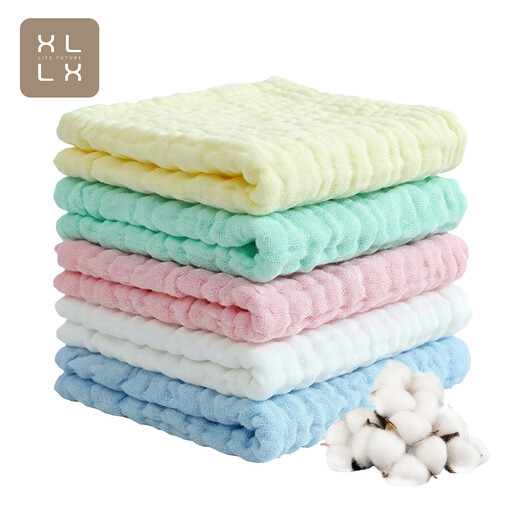
Why it suits this profile: A set of five cotton cloths provides a practical starting point for changing, feeding and drying, without immediately having to buy several separate sizes.
The 30 × 50 cm size and stated six layers make the intended use clearer than a product description without size or thickness information.
100% cotton, five cloths per set, six layers and, according to the product information, suitable for machine washing at 40 °C.
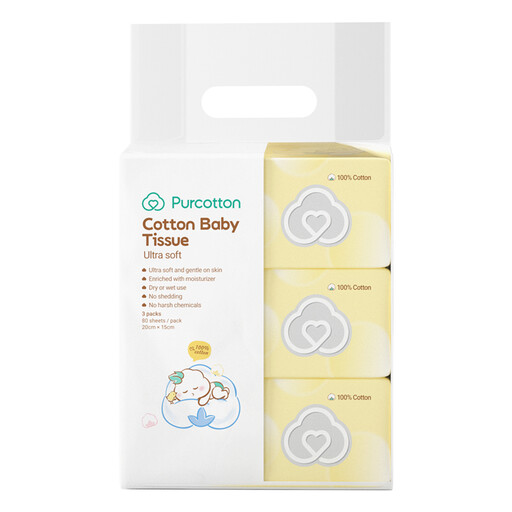
Why it suits this profile: These dry wipes are designed for parents who want to use one product for baby care and other gentle cleaning tasks.
The product information states the material, number of sheets and use as a dry or wet cloth. This allows you to match your purchase more closely to your routine.
100% cotton, 240 sheets divided across three packs and, according to the product description, free from perfume, alcohol, fabric softener and optical brighteners.

Why it suits this profile: A large stock is ideal for families who use wet wipes every day at home, in the pushchair and when out and about.
The product information states 99% purified water, an unperfumed composition and clear storage instructions. Close the packaging after every use.
960 wipes per pack, plant-based fibres according to the manufacturer and an OEKO-TEX reference with certificate number 25.HUS.21538 Hohenstein.
We have put together a complete, up-to-date list of products that fully meet these strict selection criteria and the applicable European safety regulations.
Distinguish between disposable wipes and washable cloths. Wet wipes are convenient when changing a full nappy or when you are out and about. Cotton muslin cloths are suitable for reusing, drying and catching spilt milk. Wash new cloths before first use according to the care label.
Test a new product on a small area of skin first and stop using it if redness or irritation occurs. This is not a medical assessment; if symptoms persist, contact your GP or health visitor. Use wet wipes externally only, avoid the eyes and keep packaging and loose wipes out of children’s reach.
No. “99% purified water” describes one part of the composition. The remaining ingredients and your baby’s individual skin response are still important. Check the ingredients list, preferably choose unperfumed baby wipes and stop using them if irritation occurs.
This depends on how often you wash and what you use them for. For daily feeding, changing and drying, a small set is a good starting point. If you prefer to wash less often, you can combine several sets of five cloths. A larger size is useful for bath time, while 25 × 50 or 30 × 50 cm is practical as a burp cloth.
Dry cotton cloths can last a long time with proper care. Wash them according to the label and regularly check for loose seams, wear or damage. Wet wipes have an expiry or use-by date on the packaging. Keep them sealed in a cool, dry place and never flush them down the toilet.
