
Vandaag of morgen in huis

Kwaliteit gegarandeerd

Welkomstaanbiedingen ontgrendelen: GRATIS bezorging | Tot 80% korting | Gratis 30 dagen JoyPlus-proefperiode
Download de app
Buying baby toys seems simple, until you have to choose between dozens of models with lights, sounds, soft materials and age labels. A product that looks appealing won’t necessarily suit your child’s development, your living space or your daily routine. This guide helps you compare educational baby toys, interactive baby toys, musical toys and soft toys using practical criteria you can check.
Age labels on packaging are a starting point, not a substitute for supervision or taking your child’s abilities into account. A toy phone marked for 6 to 36 months may suit a baby who can already grasp objects deliberately, but be less suitable for a child who still explores everything with their mouth. So check:
Words such as “Montessori”, “encourages development” or “protects hearing” may sound convincing, but they don’t tell you much without specific details. According to product information from some brands or manufacturers, features such as push buttons, melodies and shapes can help children practise fine motor skills through play. That doesn’t guarantee a particular developmental outcome.
So look at practical details: how many play areas are there, what materials are used, can you adjust the volume, and can your child use the toy independently?
A cheap toy can end up costing more if its batteries run out quickly, parts come loose or it’s difficult to clean. Check:
In a small flat, a compact toddler activity cube may be more practical than a large baby activity table.
A product for 3 months is often designed for exploring textures, grasping and simple sounds. From around 6 months, push buttons, lights and interactive shapes are more common. For toddlers aged 1 to 3, musical instruments, an activity table or ride-on and walking toys may be a better fit for their growing need to move.
Check the dimensions too. A toddler drum kit with a stand needs more floor space than a single drum. For a ride-on toy, seat height, maximum weight and the type of surface matter. According to its product description, the YEEHOO Ride-On Toy is intended for ages 10 to 36 months, has a maximum weight limit of 25 kg and is for indoor use. Don’t use this type of toy near stairs, on slopes or on the road.
According to the product information, many of the plastic toys in this selection are made from ABS and described as BPA-free. Also check whether:
A CE mark is required for many toys sold in the European Union, but on its own it isn’t a complete quality assessment. EN 71 refers to European toy safety standards. If in doubt, check the product documentation, warnings and manufacturer details.
Musical toys can be appealing to babies, but loud volume can quickly become tiring in a small home. A volume control or silent mode is therefore useful. According to its product description, the VTech Baby Phone Toy has adjustable volume and switches off automatically. The manufacturer also says that the demo label should be removed after purchase to activate the normal sound setting.
Look out for conflicting information in product details. Some items list both “USB” and a specific number of batteries. Always check the instructions and packaging before use. An adult should fit the batteries and keep them out of children’s reach.
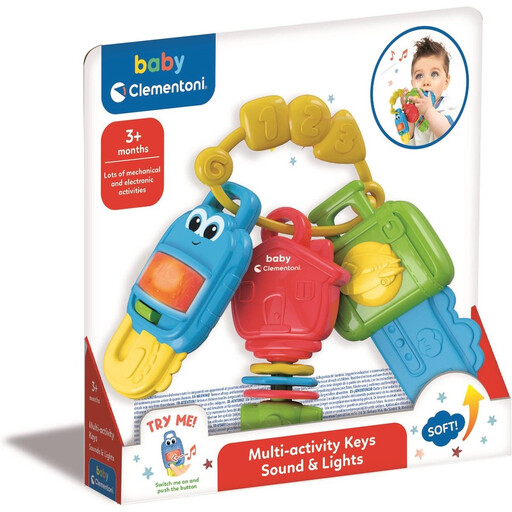
Why it suits this profile: This compact set of three electronic keys is a good choice if you want to start simply with sensory toys for babies. The product information recommends it from 3 months.
The functions are easy to understand: three buttons with light and sound effects. There’s no large table or assembly required. Do bear in mind that supervision is needed and that the product carries a warning about small parts.
Three separate pieces, light and sound effects, and a compact size.

Why it suits this profile: A good option for parents looking for a well-finished interactive baby toy with light-up buttons, melodies and adjustable volume.
The volume control and automatic shut-off help prevent unnecessary noise. The spoken version is in English, so check that it suits your preference.
Recommended for ages 6 to 36 months according to the product information, with two AAA batteries and several control buttons.
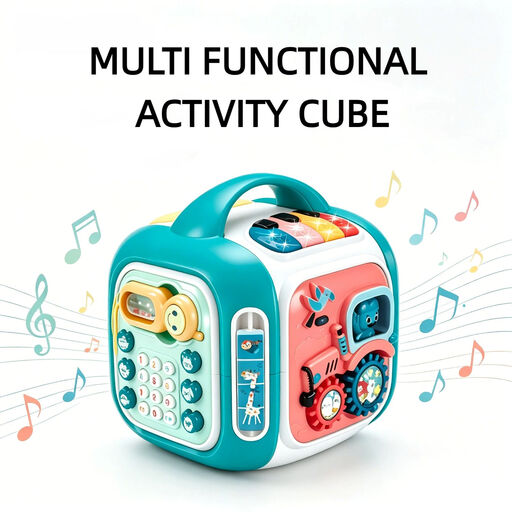
Why it suits this profile: This toddler activity cube is a good fit for children aged 1 to 3 who enjoy turning, pressing and switching between different types of play.
Its compact design means you won’t have lots of separate toys scattered around the room. The product information mentions rounded edges and a battery compartment; check these before use.
Eight listed play modes, a carry handle and dimensions of approximately 23 × 23 × 24 cm.
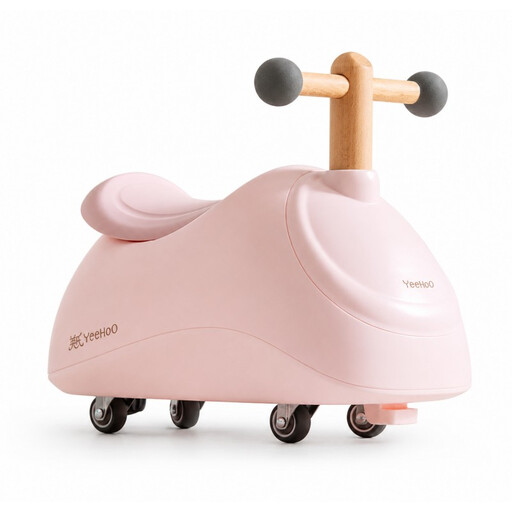
Why it suits this profile: A practical choice for toddlers who would rather be on the move than sit still, and for families with enough clear indoor space.
The product information lists four wheels, a low seat and anti-tip blocks. An adult must still assemble and check it.
Ride-on and rocking modes, a maximum weight limit of 25 kg and quiet PU wheels according to the product description.
We’ve put together a full, up-to-date list of products that meet these strict selection criteria and the applicable European safety requirements.
Choose lightweight products that are easy to grip and have no small loose parts. A simple sensory toy for babies with clear textures, soft shapes or a few push buttons is often easier to get to grips with than a product packed with features. Always check the warnings on the packaging and stay close by.
Their lifespan depends on use, batteries, cleaning and storage. Check the battery compartment, loose screws, cracks and damaged wires regularly. Electronic toys can usually only be cleaned on the outside with a slightly damp cloth; submerging them may damage the components.
A baby activity table often offers more play space and is a good fit for children who can stand independently. A toddler activity cube takes up less room and is easier to carry around. Above all, consider your child’s stage of motor development, the space you have at home and whether you’ll need to move the toy every day.
