
Vandaag of morgen in huis

Kwaliteit gegarandeerd

Welkomstaanbiedingen ontgrendelen: GRATIS bezorging | Tot 80% korting | Gratis 30 dagen JoyPlus-proefperiode
Download de app
As a Joybuy Product Recommendation Officer, I see hundreds of baby toys cross my desk every day. The marketing promises are often grand, but the practical value can be minimal. The right toy can support your child's development, while a bad buy ends up gathering dust in a corner after just a week. This guide will help you cut through the noise and make a choice that both you and your child will enjoy.
Before we look at products, it's important to recognise the most common pitfalls. This will help you avoid wasting money on toys that don't live up to their promise.
educational toys but are, in practice, little more than a set of flashing lights and loud noises. Genuinely educational toys encourage a child to discover, solve problems, and use their fine motor skills, rather than passively watching a pre-programmed show.You don't need to be a toy expert to make the right choice. Pay attention to the following three concrete points, and you'll filter out 90% of unsuitable options.
Every toy sold in the EU must have a CE marking. However, this is not an independent quality seal but a declaration by the manufacturer that the product meets European safety standards. It's a starting point, not a guarantee.
bath toys or teething rings, are phthalate-free. For durability and a natural choice, wooden toys are often a solid option, provided they are finished with non-toxic paint.toys for 1-year-olds and younger. Even if the packaging indicates a specific age, it's wise to assess the sturdiness yourself.The age recommendation on the packaging is crucial. It's not just a safety guideline but also an indication of the developmental stage the toy is designed for.
sensory toys. Babies learn by touching, seeing, and listening. Soft toys with different textures, rattles, and toys with mirrors are suitable here.motor skill toys. Children start stacking, pushing blocks into shape sorters, and taking their first steps. Toddler toys like a push walker or a simple block train are a great fit.Interactive toys that respond to actions, such as cars from VTech toys or playsets from Clementoni baby, become interesting. Role-playing with dolls or a play kitchen also starts to be fun.Below are some popular choices, matched to a specific profile. This way, you can immediately see which type of toy fits a particular need.
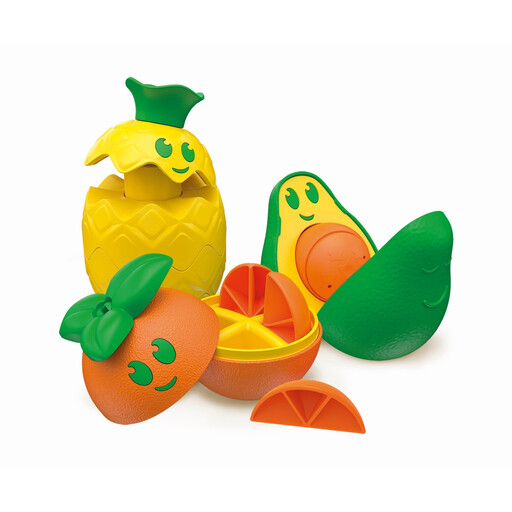
Why This Fits Their Persona: This parent is looking for functional toys without too many frills. They need to be safe, affordable, and stimulating. This set focuses on basic skills like stacking, opening, and sorting.
This is not an overstimulating electronic toy. It promotes fine motor skills and logical thinking in a calm, effective way. The play value is long-lasting.
Made from recycled plastic. The different parts (opening, stacking, segments) offer varied motor skill challenges.
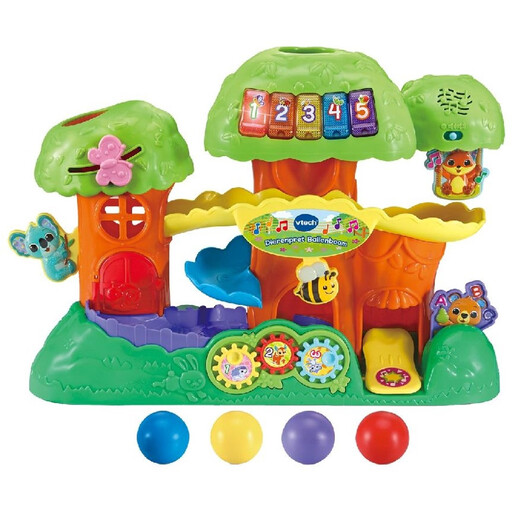
Why This Fits Their Persona: This buyer wants toys that actively contribute to specific skills. This activity centre is designed to stimulate the understanding of cause and effect and to encourage counting.
Unlike passive toys, this centre requires active participation. The child must place the balls and press buttons, which ensures long-lasting engagement and prevents it from becoming boring quickly.
Combines motor skills (placing balls) with cognitive development (counting, colour recognition). It has an adjustable volume and automatic shut-off.
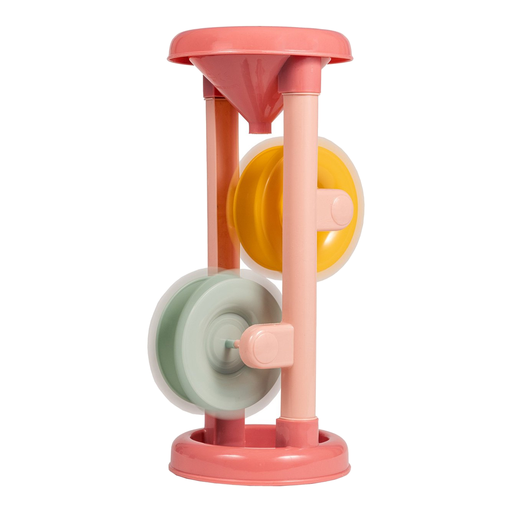
Why This Fits Their Persona: Looking for a perfect `newborn gift` or a birthday present? This product from the popular brand `Little Dutch` is recognisable and well-loved. It's perfect for a specific activity: playing with sand or water.
This isn't a complex toy that can be misunderstood. It's simple, intuitive, and offers immediate fun. The chance of it going unused is small, especially during summer or in the bath.
Stimulates the understanding of cause and effect in a simple way. It's suitable for outdoor play and easy to clean. The cheerful colours appeal to young children.
We have compiled a complete, up-to-date list of products that fully meet these strict selection criteria and Dutch safety regulations.
For plastic and wooden toys without electronics, a cloth with a mild, child-safe soap solution and water is sufficient. Rinse it well and let it dry completely to prevent mould growth, especially with bath toys. Soft toys or plushies can often go in the washing machine, but always check the care label. Toys with batteries should never be submerged; use a slightly damp cloth instead.
Any type of toy can be educational, as long as it matches the child's developmental stage. For a 6-month-old baby, sensory toys that stimulate the sense of touch are highly educational. For a 2-year-old toddler, interactive toys that introduce numbers or letters can be beneficial. The key is not the "educational" label, but whether the toy challenges the child in a way that fits their age and skills.
Although they often overlap, their focus is different.
