
Vandaag of morgen in huis

Kwaliteit gegarandeerd

Welkomstaanbiedingen ontgrendelen: GRATIS bezorging | Tot 80% korting | Gratis 30 dagen JoyPlus-proefperiode
Download de app
Putting a quick, nutritious, and delicious meal on the table for your little one can be a challenge. A baby spaghetti meal can seem like a perfect solution. However, the selection is vast, and labels aren't always clear. As a Product Recommendation Officer at Joybuy, I'm here to help you see through the marketing jargon and make a choice that's right for your child.
Before you put a baby food jar in your basket, it's wise to be aware of a few common pitfalls.
baby food with chunks is designed to encourage chewing. But if the pieces are too large or too hard for your child's age, it can be frustrating or even difficult for them. Conversely, a puree that's too smooth won't help a 10-month-old practice their chewing skills. The age recommendation is more than just a number; it's an indicator of the texture.To avoid making the wrong choice, there are a few concrete specifications you can easily check on the packaging yourself.
The ingredients list is your most important tool. Ingredients are listed in order of quantity. Are vegetables or pasta listed first? Then you know that's the main ingredient. Pay special attention to the following points:
healthy baby meal ideally contains sugars that come naturally from vegetables, not from added fruit juices or concentrates.organic baby food, look for the EU organic logo (the green leaf). This guarantees that the ingredients have been grown without chemical pesticides and artificial fertilisers.The texture of the meal is crucial for the development of oral motor skills. Manufacturers tailor this to the child's age.
Olvarit 8 months contains soft, small pieces to practice chewing.Ella's Kitchen 10 months typically has a coarser texture with clearly recognisable pieces of pasta for babies.So, check carefully to see if the texture matches your child's developmental stage. Every baby develops at their own pace.
To help you get started, we've highlighted some popular choices and matched them to the different needs of parents and their little ones.
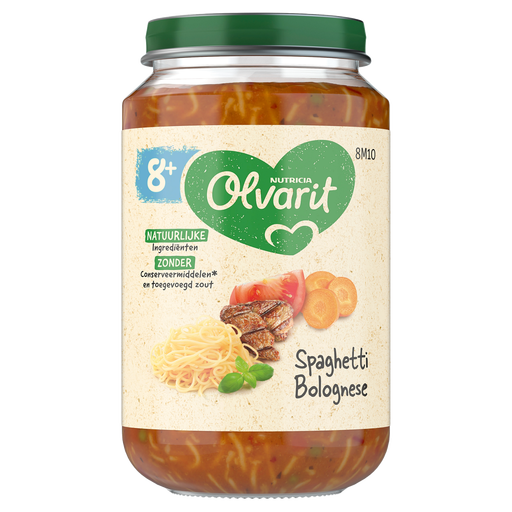
Why This Fits Their Persona: Ideal for parents who want to introduce their baby to a classic flavour with an adapted texture. The recognisable taste of tomato and the soft structure make the transition to meals with chunks easier.
The texture is specifically tailored for the 8+ months stage. It's not too smooth and not too coarse, which minimises the risk of frustration and encourages chewing in a natural way.
Contains no added salt and the flavour is recognisable, which, according to Olvarit, contributes to palate development. The meal comes in a glass baby food jar, which is easy to heat up.
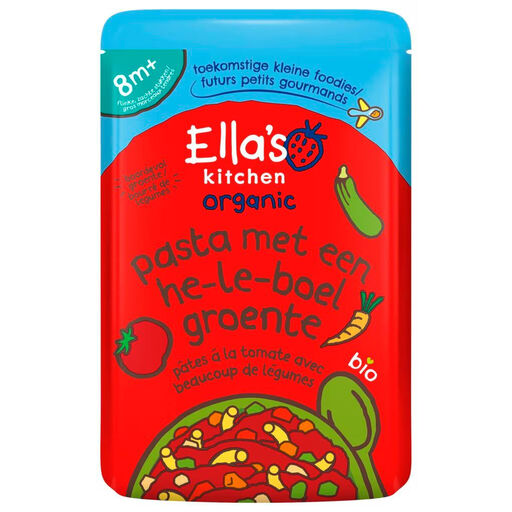
Why This Fits Their Persona: Perfect for parents who opt for organic baby food and are looking for a vegetarian option. This meal is packed with a variety of vegetables, which helps to stimulate your child's taste buds.
This meal only contains naturally occurring sugars and salt, directly from the organic vegetables. The ingredients list is clear, and the focus is on vegetables (41% tomato, 9% carrot, etc.) instead of sweet fruit.
100% organic and vegetarian. The convenient squeeze pouch is ideal for on-the-go, and the soft chunks are suitable for babies from 8 months who are learning to chew.
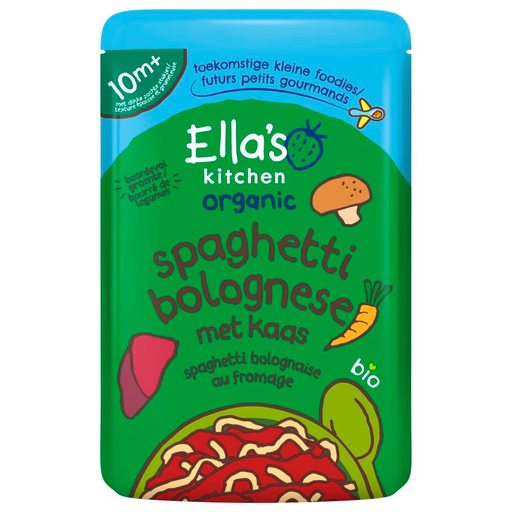
Why This Fits Their Persona: For babies who are ready for a complete meal with a richer flavour and a coarser texture. The combination of beef, vegetables, cheese, and herbs offers a more complex flavour profile.
The coarser texture is intentionally designed for the 10+ months stage. This challenges your child to further develop their chewing muscles and prevents them from getting used to overly soft food.
100% organic and contains a good mix of protein (beef, cheese), vegetables, and carbohydrates (pasta). The meal is a ready-to-eat baby meal that can be eaten either cold or warm.
We have compiled a complete, up-to-date list of products that meet these selection criteria and current guidelines.
Most meals can be heated in two ways. A glass jar can be placed in the microwave without its lid (check the instructions on the packaging) or heated 'au bain-marie' in a pan of hot water. A squeeze pouch can be placed whole in a bowl of hot water. You can also heat the contents in a saucepan over low heat. Always stir well and test the temperature on the inside of your wrist before giving it to your baby.
Yes, you can. An opened jar or pouch can be stored in the refrigerator with a lid on. The storage time varies by brand but is usually 24 to 48 hours. Do not refreeze the leftovers. You will always find the exact instructions on the packaging.
A ready-to-eat baby meal can certainly be a responsible choice, especially on busy days. Reputable brands follow strict guidelines for baby food, which means they contain no preservatives and no added salt or sugar. The nutritional values are carefully composed and tailored to a baby's needs. It is a practical supplement to a varied diet.
