
Vandaag of morgen in huis

Kwaliteit gegarandeerd

Welkomstaanbiedingen ontgrendelen: GRATIS bezorging | Tot 80% korting | Gratis 30 dagen JoyPlus-proefperiode
Download de app
As a parent, you want to make the right choices for your child, especially when it comes to food. The shelves are packed with baby snacks that claim to be healthy and responsible. But how do you know what you're really buying? Many products seem ideal but contain hidden sugars or are unsuitable for your child's age. This can lead to unnecessary expenses and inappropriate snacks. We'll help you see through the marketing jargon and find the right snack.
Before you make a choice, it's good to be aware of a few common pitfalls:
To make a good choice, you can look for a few specific details. These will help you objectively assess whether a snack is suitable for your baby.
One of the most important things to check is the amount of sugar and salt. Preferably, choose sugar-free baby snacks (with no added sugars).
A long list of unrecognisable ingredients is often not a good sign. A simple, short ingredients list usually means the product is less processed.
The texture of a snack is crucial for safety and the development of oral motor skills.
Based on these criteria, we have selected a number of products that suit the different needs of parents.
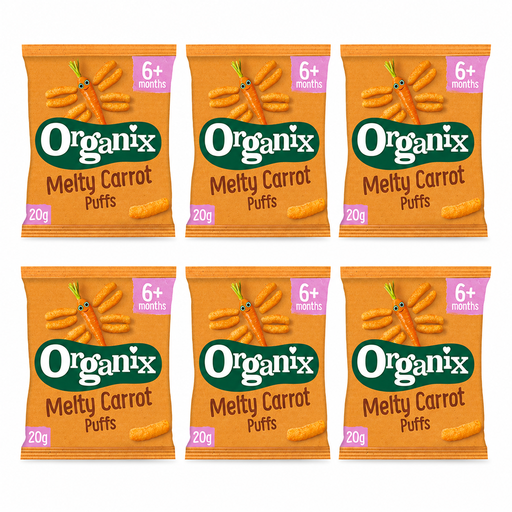
Why This Fits Their Persona: The soft, airy texture melts in the mouth, making it a suitable choice for babies just starting on solid foods. The shape is ideal for little hands to practice eating independently.
This product contains no added salt and has a very low sugar content. The texture is specifically designed for ages 6 months and up, which avoids the pitfall of an unsuitable texture.
Made with organic ingredients and a simple, short ingredients list (corn, carrot powder, sunflower oil).
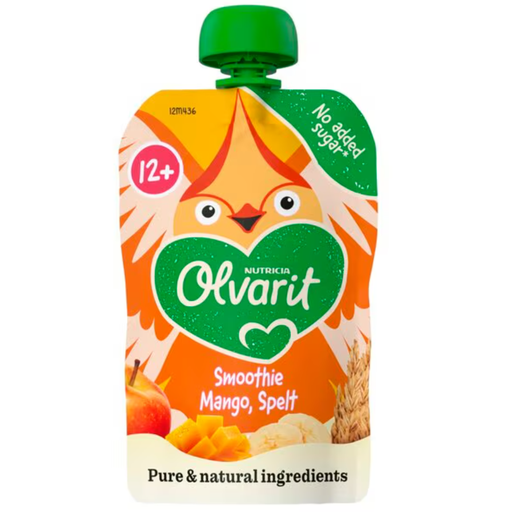
Why This Fits Their Persona: This fruit pouch is a convenient baby snack for on the go. The packaging is resealable, easy to carry, and creates less mess than a jar and spoon.
According to the manufacturer, this product contains no added sugars; the sweetness comes purely from the fruit. The addition of spelt and milk provides a more complex nutritional profile than a snack made only from fruit.
A combination of fruit, grains, and milk for a more filling snack. The texture is smooth and suitable for children from 12 months.
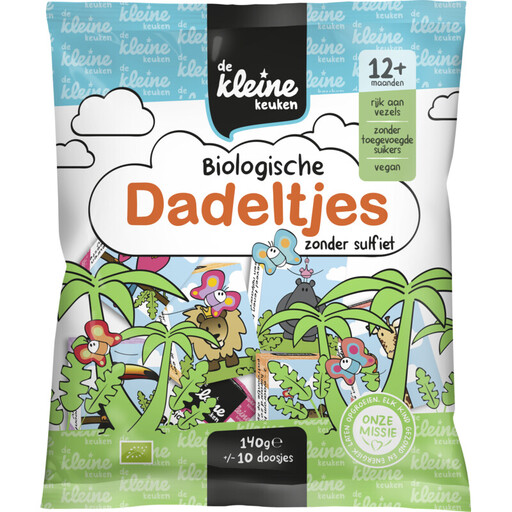
Why This Fits Their Persona: A 100% organic baby snack consisting of pure, dried dates with a little rice flour to prevent sticking. It's a fiber-rich snack for toddlers who can already chew well.
This product bypasses the "healthy sugar trap" by being transparent: it's dried fruit and therefore naturally high in sugar. There are no unnecessary additives. According to the manufacturer, it is free of sulfites, a common preservative in dried fruit.
A pure product with only two ingredients. According to the product information, it is rich in fiber, iron, and copper.
We've compiled a complete, up-to-date list of products that meet these selection criteria.
Most babies are ready for their first bites and snacks around 6 months, when they also start on solid foods. Look for signs like being able to sit up straight, showing interest in food, and being able to hold their head steady. Always start with soft, easily digestible snacks. If in doubt, consult your pediatrician.
Not necessarily. The 'organic' label guarantees that the ingredients were grown without artificial fertilisers and chemical pesticides. However, it says nothing about the nutritional value of the final product. An organic baby snack can still contain a lot of sugar or salt. It's important to always check the full ingredients list and nutrition facts panel.
Manufacturers use many different names for sugar. Pay attention to the ingredients list. If you see terms like glucose syrup, fructose syrup, dextrose, fruit juice concentrate, or maltodextrin, then sugars have been added. A product with the claim "contains only naturally occurring sugars" is often a better start, but remember that even natural sugars should be given in moderation.
