
Vandaag of morgen in huis

Kwaliteit gegarandeerd

Welkomstaanbiedingen ontgrendelen: GRATIS bezorging | Tot 80% korting | Gratis 30 dagen JoyPlus-proefperiode
Download de app
Choosing the right baby care products may seem simple, but there’s plenty of choice. Baby oil, baby wash, baby cream, baby wipes and bath oil are often described as “gentle”, “natural” or “dermatologically tested”. These terms don’t always tell you whether a product is right for your baby.
This guide explains what to look out for and which products may suit different everyday situations.
Natural baby care products may contain plant extracts or fragrances. Even natural ingredients can cause an unwanted reaction on sensitive skin. Always check the full ingredients list, rather than choosing a product based only on the front of the packaging.
Look out for:
A short ingredients list isn’t necessarily better, but it can make products easier to compare.
“Hypoallergenic” means the brand positions the formula as having a lower risk of causing an allergic reaction. It doesn’t guarantee that every child will tolerate the product without any problems. For example, according to the product description, Johnson’s Baby Oil has a hypoallergenic and dermatologically tested formula. However, the oil also contains perfume. Always check the label, and stop using the product if redness, itching or irritation occurs.
A multipack can be handy for everyday use, for example with baby wipes or baby wash. But a large pack is less practical if you want to try a formula first and see how your baby reacts. Also check whether the pack really contains multiple items. Product listings may include similar names for a single bottle, a set of four or a bundle with different contents.
Not all products serve the same purpose:
Only use a product for its intended purpose. For example, massage oil doesn’t automatically replace nappy cream.
Baby products labelled as suitable from birth should clearly state the age from which they can be used. According to its product description, Zwitsal Bath Oil is suitable from birth. The NAÏF Cleansing Wash Gel is described as being for babies and children with sensitive skin.
Also read the safety information:
If redness, swelling, sores or other symptoms persist, it’s advisable to seek advice from a GP or another healthcare professional. Cosmetic baby care products aren’t treatments for medical skin conditions.
“Dermatologically tested”, “pH skin-friendly” and “SLES-free” are product characteristics that can be checked, but they don’t tell you everything about how your child will respond. According to its own product information, Zwitsal lists features such as a skin-friendly pH, a soap-free formula and dermatological testing for various products. Also consider the fragrance, texture, packaging and cost of use.
If you’re looking for a fragrance-free option, check the packaging specifically. For example, Johnson’s Baby Lotion Delicate Skin is described as hypoallergenic and dermatologically tested, but not as fragrance-free.
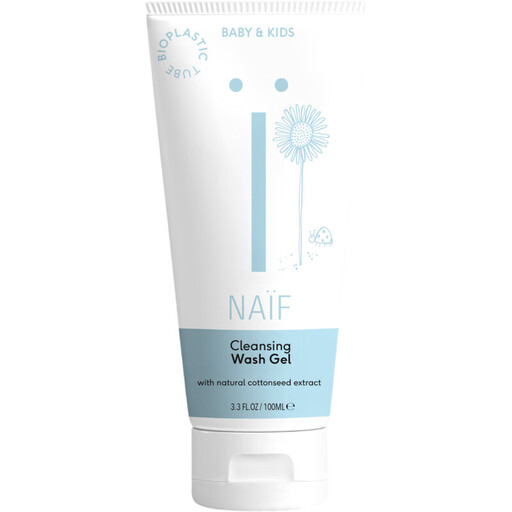
Why it suits this profile: One product for washing babies and children keeps things simple for parents who want to build their routine gradually.
The product description states that it has a soap-free formula, contains no SLES and has no microplastics. Do check the fragrance information and the current packaging.
200 ml, intended for the body and for use in the bath or shower, with glycerine and cottonseed extract according to the ingredients list.
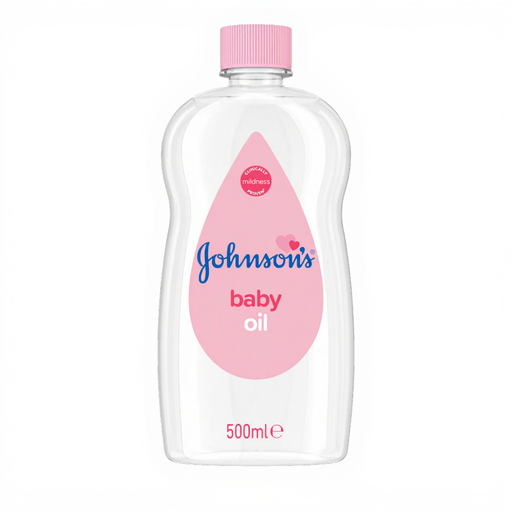
Why it suits this profile: The large bottle is practical for parents who regularly use baby oil for massage or to care for damp skin.
The instructions say the oil works best on damp skin, rather than dry skin. This makes its intended use clear.
500 ml, with no parabens, phthalates or colourants according to the product description. The ingredients list does include perfume.
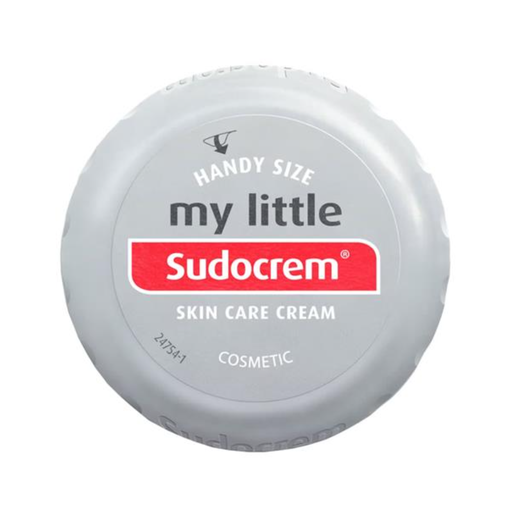
Why it suits this profile: The compact tub is handy for a nappy organiser, changing bag or travel when you want a targeted cream.
The instructions recommend applying a thin layer to clean skin and repeating as needed. According to the description, use on children under three should be limited to the nappy area.
22 g, with zinc oxide and a protective layer according to the product information. If your baby has sensitive skin, testing on a small area first is recommended.
We’ve put together a complete, up-to-date list of products that meet these strict selection criteria and the current European safety regulations.
A simple starter set includes a gentle baby wash or soap-free cleanser, a soft towel, optionally a baby cream or baby body lotion, and a product for the nappy area. Baby oil, baby bath oil and baby wipes are extras for specific occasions. Start with small quantities and only add products you’ll actually use.
It depends on your child’s age, activity and skin. Washing every day with a cleansing product isn’t always necessary. A short bath in lukewarm water may be enough; use baby wash only when cleansing is needed and follow the product instructions. Pat the skin dry rather than rubbing it firmly.
Check the expiry information and the period-after-opening symbol on the packaging. Close bottles and tubs securely, store them in a cool, dry place, and use clean hands when taking cream from a tub. Has the fragrance, colour or texture changed? Don’t use the product.
