
Vandaag of morgen in huis

Kwaliteit gegarandeerd

Welkomstaanbiedingen ontgrendelen: GRATIS bezorging | Tot 80% korting | Gratis 30 dagen JoyPlus-proefperiode
Download de app
Buying baby products seems simple until you have to choose between different ages, formulas, pack sizes and functions. Marketing copy often highlights extra fibre, natural ingredients or multifunctional appliances. That does not automatically mean a product is right for your child, routine or budget.
As a Joybuy Product Recommendation Officer, I focus mainly on verifiable information: age recommendation, ingredients, contents, instructions for use, materials and maintenance. This helps you avoid buying a product that ends up unused in the cupboard after just a few weeks.
A product for babies, toddlers and young children is not automatically interchangeable. First infant formula for 0 to 6 months has a different purpose from follow-on formula or toddler milk from 1, 2 or 3 years.
Pay attention to the difference between:
A pack with a higher stage number is therefore not automatically suitable for your child. Always check the age on both the product page and the packaging.
Words such as “natural”, “supports development” or “for better sleep” sound appealing, but they need context. A brand’s own research may report a particular effect, but that is not a guarantee for every child.
For example, WELEDA’s product description states that 87% of parents reported better sleep after using the cream bath. According to the description, this relates to a user study involving 30 children over two weeks. Treat it as a statement made by the brand, rather than a definitive result.
Instead, look first at the ingredients, quality marks, period of use and specific product features.
A larger pack is not always better value. With baby products, you should also consider:
A smaller pack can be a sensible choice if you first want to see whether your child tolerates the formula or finds the care product comfortable to use.
When buying baby formula, always check the minimum age, preparation instructions and allergens. For example, the product information for Bon Bebe Standard 1 lists milk, fish and soya as allergens. Nutrilon 4 also lists milk, fish and soya.
If your child has a known allergy or specific dietary needs, it is best to consult a health visitor, doctor, pharmacist or dietitian. Do not change your child’s diet based solely on an online claim.
Also pay attention to the difference between formula and standard milk powder. According to the product information, Two Cows Milk Powder is described as standard whole milk powder for people aged 2 and over, not as formula for babies.
Incorrect preparation of infant formula can pose risks. Wash your hands, use clean equipment and follow the exact ratio of water to powder. Prepare feeds fresh and do not keep leftovers for longer than stated on the label.
Examples from the product information:
Always check the current packaging, as packaging information may change.
For baby care and feeding accessories, size and ease of cleaning are more important than a long list of functions.
For example, check:
When caring for baby hair, a small amount is often enough. According to the product description, Naïf Easy Styling Hair Lotion can be used on dry or damp hair. Start with a small amount and see how your child’s hair responds. For baby bath oil or cream bath, it is sensible to follow the label and avoid contact with the eyes.
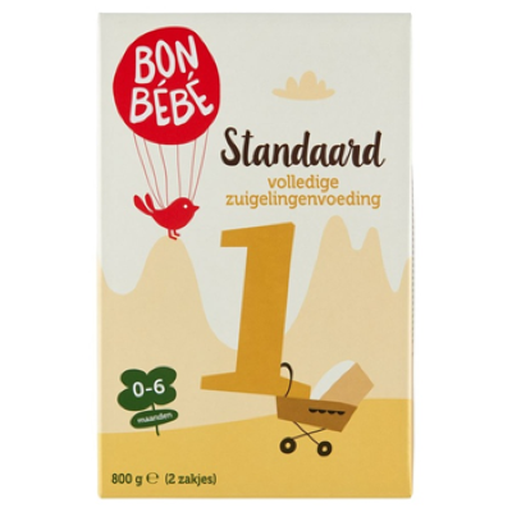
Why it suits this profile: The 400-gram pack is manageable for parents who want to buy formula without immediately building up a large supply.
The 0 to 6-month age range is clearly stated. The product information also lists milk, fish and soya as allergens.
Suitable from birth to 6 months according to the product information; 400 grams per pack; clear storage and preparation instructions.
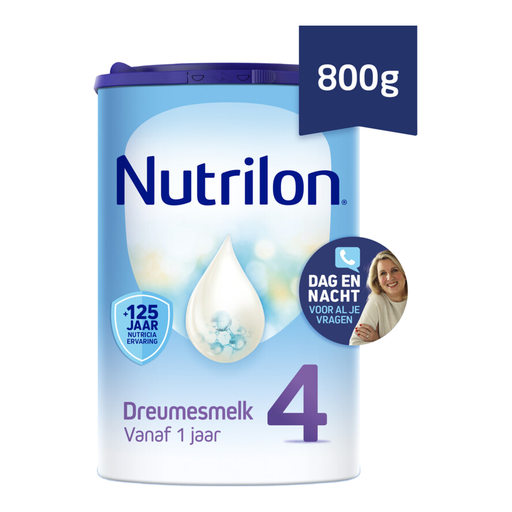
Why it suits this profile: The larger pack and detailed nutritional information suit households that use toddler milk regularly and want to compare labels.
The product information states that it is suitable from 12 months and gives a specific preparation ratio of 14.4 grams of powder per 100 ml of water.
800 grams of contents; nutritional values per 100 ml of prepared product; milk, fish and soya listed as allergens.
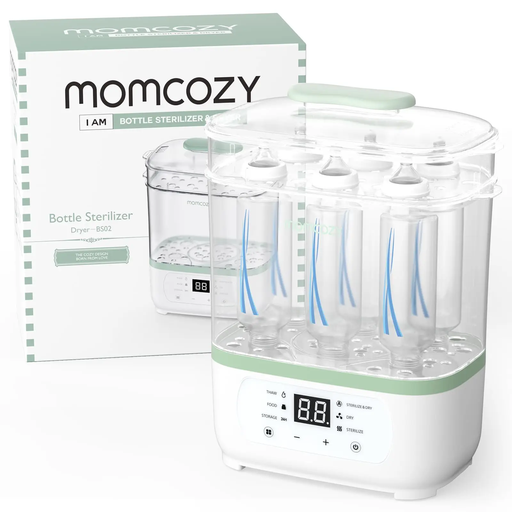
Why it suits this profile: For families with several bottles and feeding accessories, one appliance with multiple functions can save space and reduce the number of tasks involved.
The capacity and functions are clearly specified: up to 8 bottles and accessories, with sterilising, drying, defrosting and warming functions.
Capacity for up to 8 bottles; BPA-free plastic according to the product information; one appliance for several uses.
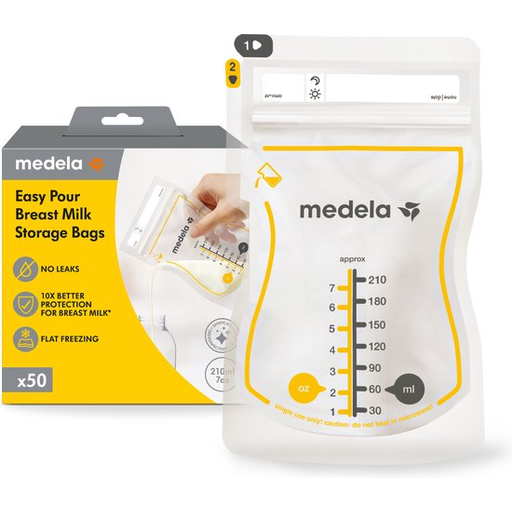
Why it suits this profile: These bags are practical when you want to portion, transport or freeze breast milk.
The 210 ml capacity, double seal and pouring spout can be checked in advance, so you can see whether the bags suit your portion sizes.
50 bags per pack; 210 ml capacity; BPA-free and recyclable according to the product description.
We have put together a complete, up-to-date list of products that fully meet these strict selection criteria and the applicable European safety regulations.
Use this quick checklist before you check out:
This varies by product. For several milk powders, the product information mentioned states a maximum of four weeks after opening. Prepared formula often needs to be used within two hours. Always check the label and store powder in a cool, dry place in its original packaging.
Follow-on formula is intended for a younger age group than toddler milk. The exact age varies by product. Toddler milk is generally offered from 1, 2 or 3 years and forms part of a varied diet. Always check the age recommendation and consult a healthcare professional if you are unsure.
That depends on your care routine. Basic products usually include formula or breastfeeding accessories, bottles, gentle baby care products and practical items for use when you are out and about. A bottle steriliser can be particularly useful if you prepare lots of bottle feeds; for occasional use, washing by hand may fit your routine just as well.
