
Vandaag of morgen in huis

Kwaliteit gegarandeerd

Welkomstaanbiedingen ontgrendelen: GRATIS bezorging | Tot 80% korting | Gratis 30 dagen JoyPlus-proefperiode
Download de app
Buying baby products seems straightforward until you have to choose from dozens of baby bottles, carriers and care sets. Marketing copy often promises calmer feeding, more comfort or less cleaning. In reality, it’s the right size, material, age recommendation and daily maintenance that determine whether a product actually suits your family.
Expectant parents and carers tend to come up against these common pitfalls:
With a baby bottle, you shouldn’t just look at the capacity. A 150 ml bottle is practical for newborns and smaller feeds; 250 ml offers more room as the feed volume increases. The teat is at least as important:
An anti-colic baby bottle often has a valve that regulates airflow differently. This can affect the drinking process, but it’s not a medical promise. Check before use that the valve isn’t blocked, and replace silicone parts when they show signs of wear.
If you’re combining breastfeeding and bottle feeding, you might look for a breastfeeding bottle with a wide or soft teat. According to Difrax’s own product information, the LOVI Mammafeel teat is designed to make the transition between breast and bottle feel more natural. This is a design goal; acceptance varies from child to child.
For daily use, polypropylene (PP) and silicone are common materials. PP is lightweight and doesn’t break easily if dropped. Silicone is used for teats, valves and soft contact parts. Check on the packaging:
A bottle steriliser is especially practical when you’re cleaning several bottles, pump parts and teats each day. Look at capacity, drying function, water usage and the amount of worktop space the appliance takes up. A machine that holds up to eight bottles isn’t automatically handy if you usually only use one or two.
With a baby carrier, weight limits and carrying positions matter more than appearance. Check whether:
An ergonomic baby carrier may have wide straps, a hip belt and adjustable panels. These features can distribute weight differently, but the carrier must always be adjusted to fit properly. Don’t use a carrier while cycling, running or doing other activities with a risk of falling.
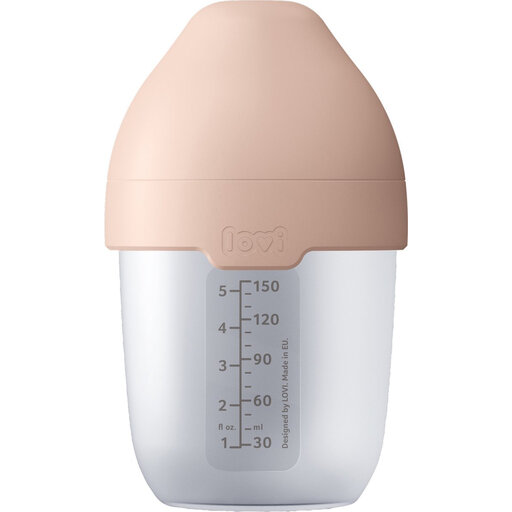
Why this suits the profile: The 150 ml capacity and the included 0m+ mini teat match newborn feeds. This means you don’t have to buy a large bottle and a separate starter teat straight away.
The age recommendation is linked to the teat size. According to the product description, the bottle and teat are dishwasher-safe and the bottle is designed for combination with breastfeeding.
150 ml capacity, 0m+ mini teat, medical-grade silicone teat and PP bottle according to the product information.
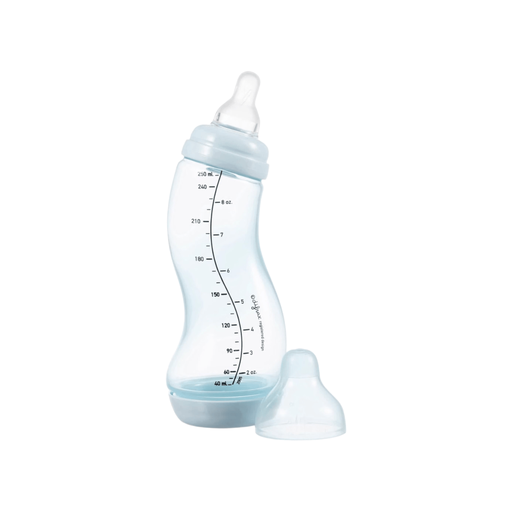
Why this suits the profile: This Difrax baby bottle is suitable from birth and has an S-shape with a removable base. That suits parents who pay attention to filling, taking apart and cleaning.
The bottom valve is accessible for checking and cleaning. According to the product description, the bottom ventilation system helps reduce air mixing; this is not a guarantee of a particular feeding result.
250 ml capacity, size S slow-flow teat, PP bottle and parts that can go on the top dishwasher rack according to the description.
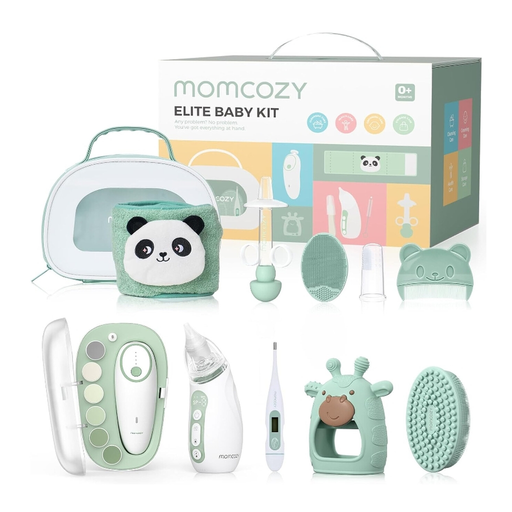
Why this suits the profile: For families with multiple bottles or pump parts, an appliance with a capacity of up to eight bottles can save time on repeated cleaning.
The functions and capacity are clearly stated: steam sterilising, drying, defrosting and warming. Place the appliance on a stable surface, use the water level mark and don’t open the lid during a cycle.
8-in-1 functions, space for up to eight bottles and a drying function according to the product specifications.
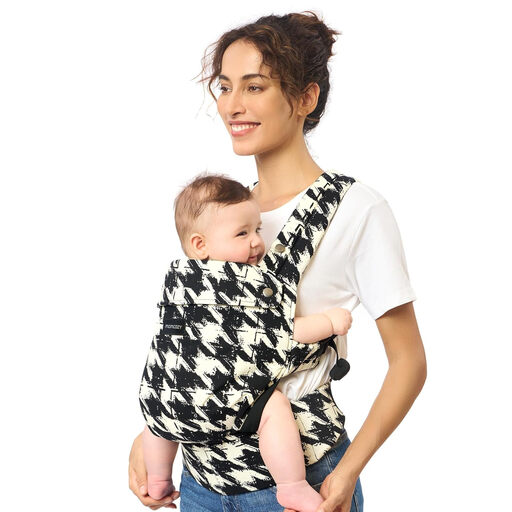
Why this suits the profile: The carrier has cross straps, adjustable buckles and three size positions. According to the product specifications, it is intended for approximately 3.18 to 20 kg.
The carrier states a clear weight range and an M-position. Check the straps, buckles and your baby’s face visibility before each use.
100% cotton according to the product information, machine washable and fitted with cross straps and adjustable sizes.
Alongside feeding and travel, a few care items are worth comparing in advance. A baby dummy must be free from damage and should never be attached with cords or ribbons. The Difrax LOVI Dynamic Prime is made from medical-grade silicone according to the brand description and comes with a sterilising case. Check the dummy before each use and replace it if you notice cracks or stickiness.
A baby nasal aspirator can help gently remove nasal mucus. The Momcozy electric nasal aspirator has nine suction levels, three attachments and a USB-C connection according to the product information. Use the device under supervision, choose a suitable attachment and clean the removable parts after each use. This is a care aid, not a medical treatment.
For parents preparing formula, a baby formula maker like the Baby Brezza Formula Pro Mini offers functions for dispensing, mixing and releasing feeds. The stated quantities range from 60 to 300 ml and the temperature setting is approximately 37 °C according to the product description. Always check the instruction manual, the water reservoir and the correct powder setting for your formula. An appliance doesn’t replace checking the prepared feed.
We’ve put together a full, up-to-date list of products that fully meet these strict selection criteria and current European safety regulations.
Start with a limited basic set: a few suitable baby bottles or feeding accessories, dummies, nappies, wipes, a thermometer and clothing. You can add a baby carrier, bottle steriliser or formula maker when your daily use calls for it. Always check the age and safety information on baby products for newborns.
The bottle itself can last a long time with proper care. Teats, valves and seals wear out more quickly through daily use, sterilising and biting. Check them before each feed for cracks, discolouration, deformation or stickiness. Also follow the manufacturer’s replacement recommendations.
In addition to the purchase price, you’ll use electricity, water and possibly filter or cleaning products. With a bottle steriliser, the number of cycles and the drying function are the main factors. With a formula maker, fresh water each day, regular cleaning and proper maintenance of the powder container are important. So don’t just compare the price – also compare capacity, maintenance and your actual frequency of use.
