
Vandaag of morgen in huis

Kwaliteit gegarandeerd

Welkomstaanbiedingen ontgrendelen: GRATIS bezorging | Tot 80% korting | Gratis 30 dagen JoyPlus-proefperiode
Download de app
The list of baby products grows quickly: from nappies for babies and baby wipes to a cot, baby carrier and bed guard for children. Yet more choice isn’t always easier. Especially with products for newborns, marketing claims, wrong sizes and unclear safety information can lead to a bad purchase.
So don’t just focus on the brand name or a discount. First check what the product is suitable for, what dimensions apply and what warnings are on the packaging or product page.
A monthly box of nappies might look appealing, but getting the right size is more important than the price per nappy. Newborns can sometimes grow out of size 1 quickly. Check the recommended weight and look out for leaks, red marks around the legs and a waistband that’s too loose. A big stock is only practical once you know the size fits well.
With baby wipes, terms like soft, natural or suitable for sensitive skin can mean different things. Look at the ingredients, fragrances, alcohol and the material of the wipe. According to Pampers’ own product information, the Sensitive wipes are alcohol-free and perfume-free and dermatologically tested. These are verifiable product features; they don’t guarantee that every baby will have the same experience.
A bed guard for a child or a co-sleeper for a baby isn’t automatically safe the moment it comes out of the packaging. The mattress thickness, bed height, fixing method and age limit must match the product information. With a bed rail, gaps between the rail and mattress can create risks. With a co-sleeper, you must use the straps provided and regularly check that the structure is still stable.
For nappies for babies, look at the weight range, not just the size number. A size 5 nappy, for example, may be suitable for 12–17 kg, as stated for the BC Babycare Royal Nappies Size 5. For a baby swim seat, age and weight are also decisive. The Bestway Swim Safe Step A is, according to the product specification, intended for children aged 1–2 years and 11–15 kg.
With a baby carrier, check the minimum weight. The cotton carriers mentioned are specified for babies from 3.2 kg up to 20 kg. A newborn who is lighter won’t automatically fit within this guideline.
Measure before you buy:
The vidaXL bed rail of 120 cm is suitable for mattresses 10–20 cm thick and beds within the specified dimensions. The fixed rail of 200 cm has an age indication of 18 months to 5 years. Do not use a bed rail on a bunk bed, waterbed or air mattress if the product information excludes this.
With baby care products, look at the material and care instructions. Plant-based fibres, fragrance-free formulas and a resealable pack can be practical, but also check how you should store the product. Wipes should not be flushed down the toilet. Close the pack after every use to prevent them drying out.
For textile products such as a carrier or bed rail, washability is relevant. Also check the buckles, seams, straps and fixing points before use. With a baby swim seat, inspect the material for leaks or tears and always stay within arm’s reach. A swim seat is an aid for water activities, not a life-saving device.

Why this fits the profile: The pack contains 180 nappies in size 1, so you have a stock ready from the start. Check beforehand that your baby’s weight matches this size.
The size and number of pieces are clearly stated. According to Pampers, the nappies contain no EU fragrance allergens and are dermatologically tested; check the current packaging for full information.
180 pieces; navel-friendly cut-out; OEKO-TEX Standard 100 according to the product information.
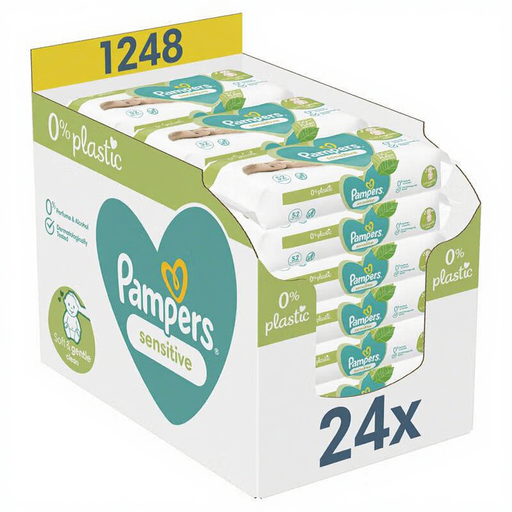
Why this fits the profile: Handy for parents who change nappies a lot and want to check the material and ingredients beforehand.
The product information states 15 packs of 52 wipes, without perfume and alcohol. This lets you compare quantity and ingredients rather than just relying on a soft marketing term.
780 wipes; 100% plant fibres according to the product description; resealable packaging.
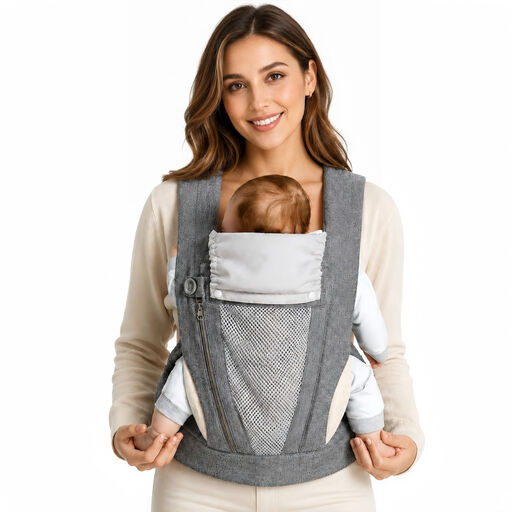
Why this fits the profile: Suitable for parents who want to carry their baby regularly during walks, shopping or travel, provided the weight and carrying method are correct.
The stated range of 3.2–20 kg makes the usage limit clear. Check the M-position, buckles and instructions before use; an ergonomic label doesn’t replace correct adjustment.
Cotton version; click buckle; X-back and stated M-position.
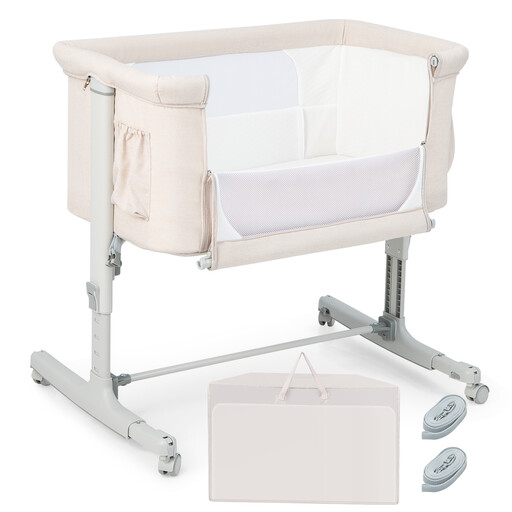
Why this fits the profile: The adjustable height and wheels are practical when you want to keep the baby in the same room or move the crib occasionally.
The specifications mention five height settings, a mattress size of 76 x 43 cm and a recommended weight up to 9 kg. Measure your bed beforehand and attach the crib according to the instructions.
Five adjustable heights; lockable wheels; breathable mesh panels and travel bag.
We’ve put together a full, up-to-date list of products that fully meet these strict selection criteria and current European safety regulations.
Start with a basic set: nappies in the right size, baby wipes or washable cloths, clothing, a safe sleeping place and products for daily baby care. You can add a carrier or co-sleeper later when it suits your home and routine. Don’t buy large stocks straight away before you know which size and materials work well.
This varies per model. Always check the manufacturer’s age, weight and size limits. The portable crib in this overview states a recommended use of 0–5 months, a mattress size of 76 x 43 cm and a weight capacity of 9 kg. Stop sooner when your baby reaches the limit or when the structure no longer fits properly.
The costs mainly depend on the number of nappy changes, the type of nappy, the use of baby wipes and any care products. So compare the price per nappy or wipe, not just the price of the pack. Also consider delivery costs, shelf life and the chance that you won’t use up a stock in time because the size changes.
