
Vandaag of morgen in huis

Kwaliteit gegarandeerd

Welkomstaanbiedingen ontgrendelen: GRATIS bezorging | Tot 80% korting | Gratis 30 dagen JoyPlus-proefperiode
Download de app
Finding the right baby products seems simple, until you have to choose from dozens of baby bottles, dummies, baby wipes and baby carriers. A low price can be tempting, but a product that isn’t right for your baby’s age, feeding method or daily routine can quickly end up unused in the cupboard.
Look out for three common pitfalls:
Read on to find out which specifications matter and which products suit different family needs.
With baby bottles, the teat size largely determines how quickly the milk flows. A 150 ml bottle with a 0m+ mini teat is intended for newborns. A 250 ml bottle, on the other hand, may come with a teat for use from around three months. So always check:
An anti-colic baby bottle may have a valve or another feature to regulate airflow. According to Difrax’s product description, the S-bottle has a valve at the base to help limit the amount of air mixing with the milk. This is a design feature, not a guarantee that every baby will experience less colic or reflux.
Size matters for dummies, too. A dummy for newborns and premature babies is smaller than one for babies aged 2–4 months. Never use a dummy for longer than the manufacturer recommends, and check the silicone part before every use.
For everyday use, BPA-free materials, clear care instructions and parts that are easy to reach and clean are important. Silicone can be neutral in odour and taste, while polypropylene is often lightweight and practical for out and about. Glass is heavier and breakable, but some households may prefer it if they sterilise bottles frequently.
Check the ingredients in baby care products, too. According to the product information, Pampers Sensitive Baby Wipes are alcohol- and fragrance-free, with a pH-balanced formula. The Pampers Fresh Clean version, however, has a light fresh fragrance, according to its product description. This difference matters if you’re specifically looking for fragrance-free baby wipes.
Use baby wipes externally only, close the pack securely and put used wipes in your household waste. Don’t flush them down the toilet.
A bottle that’s easy to take apart is more practical than one with hard-to-reach corners. When choosing a baby carrier, consider its adjustability, weight limit and how well it supports your baby. For models without a detailed product description, take extra care to check the manual, carrying positions and manufacturer’s instructions before use.
When preparing formula, getting it right matters more than speed alone. An automatic formula maker can be convenient, but it needs daily cleaning, fresh water and regular checks of the funnel and dispensing settings. Always follow the preparation instructions on the formula packaging, such as those for Nutrilon 1.
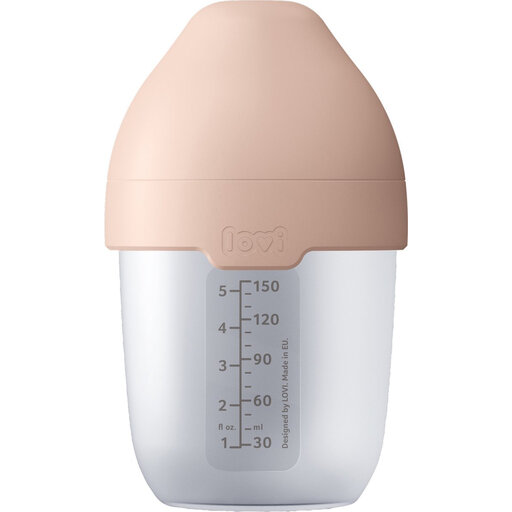
Why it suits this profile: The bottle comes with a 0m+ mini teat, making it a straightforward choice for parents who want to start with one bottle.
The age indication and included teat are clearly specified, so you’re less likely to need to buy a separate teat in another size straight away.
150 ml capacity, 0m+ mini teat, BPA-free parts according to the product information, and dishwasher-safe parts.
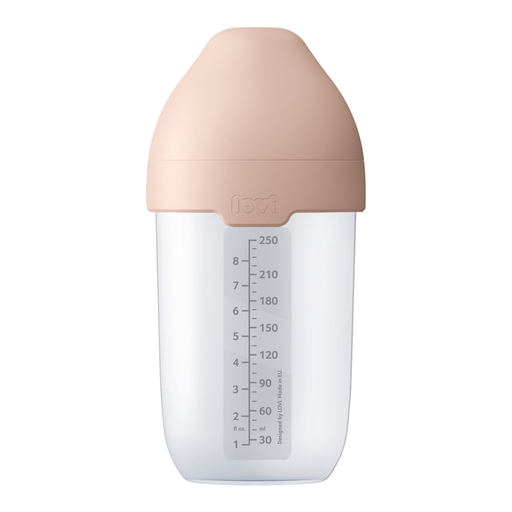
Why it suits this profile: A handy option for families looking for a larger capacity and wanting to combine breastfeeding and bottle-feeding.
The 250 ml version comes with a 3m+ Slow Flow teat. According to the product information, a separate 0m+ Mini teat is needed for use from birth.
250 ml capacity, a dynamic silicone teat and measurement markings on the bottle.
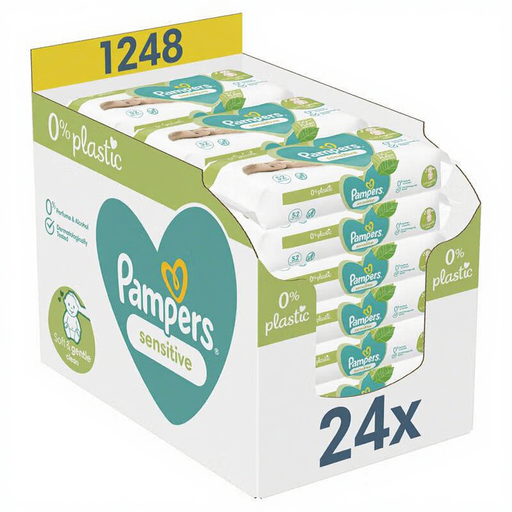
Why it suits this profile: A bulk pack is ideal for families who use lots of wipes every day and want to stock up.
The product specifications state that the wipes are 0% fragrance, alcohol-free and made from 100% plant-based fibres. This lets you compare ingredients in advance, rather than choosing by brand name alone.
24 packs of 52 wipes each, fragrance-free and suitable from birth according to the product information.
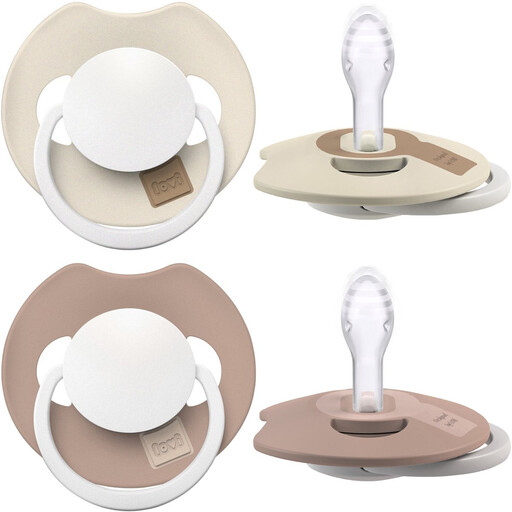
Why it suits this profile: Its symmetrical shape and age indication make it an option for parents looking for a dummy for a young baby.
The pack contains two dummies and is marked for ages 0–6 months. Check the silicone part before every use and replace the product if it’s cracked or worn.
100% medical-grade silicone according to the product information, BPA-free and supplied as a twin pack with a sterilising case.
We’ve put together a complete, up-to-date list of products that meet these strict selection criteria and the applicable European safety regulations.
Start with a few practical essentials: a selection of suitable baby bottles or feeding accessories, a couple of dummies in the right size, nappies, baby wipes or reusable cloths, and gentle baby care products. A baby carrier can be useful, but always check the minimum age, minimum weight and permitted carrying positions.
Check both every day for cracks, discolouration, stickiness or changes in shape. For some dummies, Difrax’s product information recommends replacing them after six weeks. Replace a bottle teat sooner if the material is damaged or the flow changes. Always follow the instructions on the packaging.
Costs depend on the brand, the amount of formula you use and how many feeds you give each day. You’ll also need to factor in having several bottles, spare teats, cleaning and possibly an automatic formula maker. According to the product information, an appliance such as the Baby Brezza Formula Pro Mini needs daily care, fresh water and regular funnel cleaning. So compare more than just the purchase price: remember to account for parts and maintenance, too.
