
Vandaag of morgen in huis

Kwaliteit gegarandeerd

Welkomstaanbiedingen ontgrendelen: GRATIS bezorging | Tot 80% korting | Gratis 30 dagen JoyPlus-proefperiode
Download de app
The first purchases for a baby seem straightforward, until you have to choose from dozens of types of nappies, bottles, dummies and care sets. Marketing often emphasises comfort, natural materials or long-lasting protection. Yet such a claim doesn’t always tell you whether a product suits your baby, your routine or your budget.
Three common pitfalls keep cropping up:
With these points in mind, you can compare baby products more effectively. Also take a look at the range of newborn essentials if you’re looking for several items at once.
With dummies, teats and baby bottles, the age indication is an important starting point. A newborn dummy is designed for newborns and premature babies, while a Difrax Pacifier Natural 12+ Months Pink is, according to the product description, suitable from 12 months. Also check the recommended usage period. For the Difrax newborn dummy, for example, it is advised to replace it approximately every six weeks and to check it daily for damage.
For nappies, weight is the deciding factor. The Pampers Baby Dry size 5 is, according to the product specification, intended for babies weighing 11 to 16 kg. A monthly box with lots of nappies may seem economical, but it’s only practical if the size will fit for a longer period. If in doubt, buy a smaller pack first.
With baby bottles and teats, look out for material information such as BPA-free polypropylene and food-grade silicone. Also check whether the parts can be taken apart and are suitable for the dishwasher or steriliser. The Difrax Natural S-Baby Bottle has a removable bottom. This means the bottle and the anti-colic valve can be cleaned separately.
A bottle with more parts can be cleaned more thoroughly, but it also takes more time. Check after every use for cracks, stickiness, discolouration or deformation. A damaged teat should no longer be used.
With baby food and formula, the age stage, allergens and preparation instructions are more important than a flashy package. Nutrilon 1 is, according to the product information, suitable from birth to six months. Nutrilon 2 is intended from six months and Nutrilon 3 from 10 to 12 months, as part of a varied diet.
These products contain milk among other things; some variants also list fish and soya as allergens. So always read the label. Follow the stated ratio of water and powder, use clean equipment and store opened packaging according to the instructions. If you have questions about switching, allergies or your baby’s diet, it’s wise to consult your health visitor or a doctor.
The same applies to vitamin D and K for babies: follow the recommended dosage on the label and pay attention to ingredients such as refined peanut oil. The Davitamon combination pack lists this ingredient explicitly. A food supplement does not replace a varied diet.
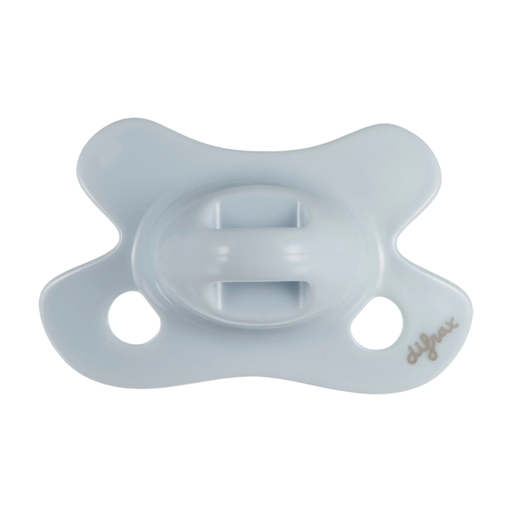
Why this fits the profile: A straightforward choice for parents looking for a dummy for the first few months without extra features or accessories.
The product description clearly states the target age group of 0 to 6 months and advises checking and replacing after approximately six weeks.
Symmetrical shape, BPA-free material, butterfly-shaped shield and ventilation openings according to the product information.
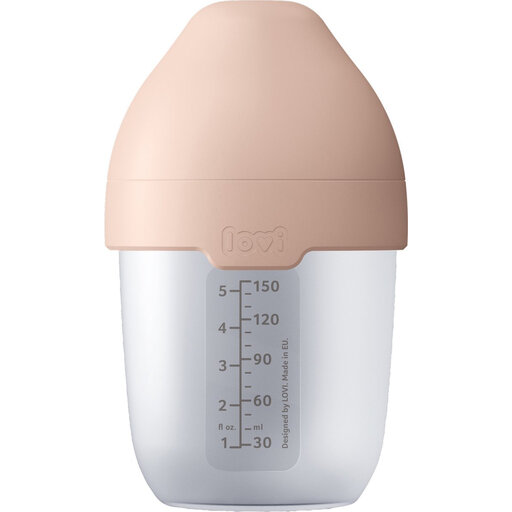
Why this fits the profile: Aimed at parents who want to combine breastfeeding and bottle feeding and who value material and maintenance information.
The 150 ml variant comes, according to the product description, with a 0m+ mini teat, so the age stage is clear.
150 ml capacity, silicone teat, BPA-free bottle and dishwasher-safe parts according to the product information.
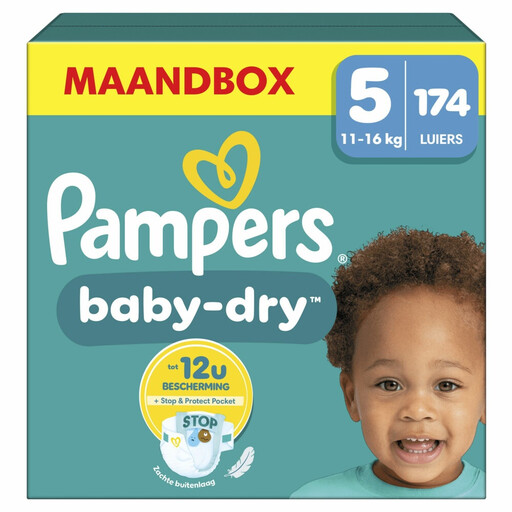
Why this fits the profile: A large pack suits families who already know the size and use lots of nappies every day.
The size indication of 11 to 16 kg makes comparison easier. Don’t buy this box in advance if your baby is about to move up to a larger size.
174 nappies, elasticated sides and an absorbent core according to the product description.
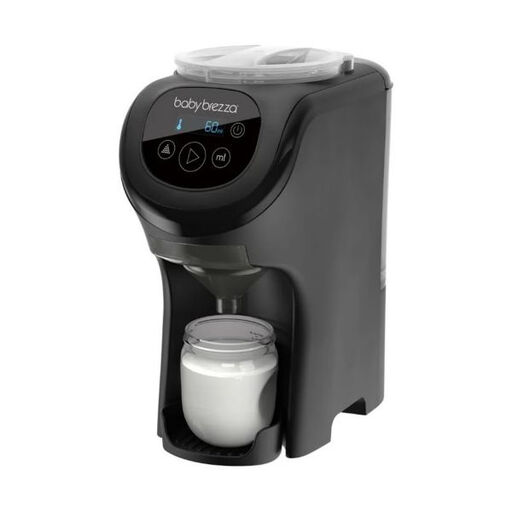
Why this fits the profile: The compact formula maker is designed for adults who regularly prepare bottle feeds and want to save worktop space.
The dosing limits of 60 to 300 ml and the need for daily cleaning are clearly stated in the product specifications.
Compact design, LCD controls, airtight powder reservoir and removable water reservoir according to the product description.
We’ve put together a full, up-to-date list of products that fully meet these strict selection criteria and comply with current European safety regulations.
Start with nappies in a suitable size, a few bodysuits, a safe sleeping space and products for feeding and changing. For bottle feeding, baby bottles, suitable teats and possibly a bottle warmer are practical. For baby care, a mild baby shampoo, wash gel and nappy cream are usually sufficient. Don’t buy large quantities of one brand straight away; your baby may need a different fit or teat.
Check them before every use for cracks, stickiness, deformation and other signs of wear. Also follow the manufacturer’s instructions. For the Difrax newborn dummies mentioned, a replacement recommendation of approximately six weeks is given. A bottle teat should be replaced sooner as soon as the silicone is damaged or the flow changes.
The costs consist of formula, bottles, teats, cleaning products and electricity for the appliance. A formula maker doesn’t change the price of the powder itself. So compare mainly the contents per pack, preparation instructions and waste. A larger appliance can save time, but it also needs regular maintenance. Always check that the chosen settings are suitable for the formula you’re using and follow the instruction manual.
