
Vandaag of morgen in huis

Kwaliteit gegarandeerd

Welkomstaanbiedingen ontgrendelen: GRATIS bezorging | Tot 80% korting | Gratis 30 dagen JoyPlus-proefperiode
Download de app
Buying baby products seems straightforward – until you have to choose from dozens of sizes, materials and packs. The wrong nappy size can cause leaks, a baby bottle can be difficult to clean, and a large monthly box of nappies isn’t practical if your little one is growing quickly.
As a Joybuy Product Recommendation Officer, I focus on verifiable product details: weight range, material, capacity, care instructions and pack size. This way, you can cut through the marketing language and choose baby essentials that fit your daily routine.
The age on a pack is only a guide. Babies don’t all grow at the same rate. So, always look at the weight range first. Size 1 nappies, for example, are designed for around 2–5 kg, while size 4 nappies typically cover 9–14 kg. A nappy that’s too small can dig into little legs; one that’s too big may not fit snugly.
Words like “ultra-thin”, “extra soft” and “maximum protection” don’t tell you much on their own. Instead, check the concrete features:
According to product information from various brands, features such as micro-pores, an absorbent core or a back pocket can help limit moisture and leaks. That’s no guarantee for every baby; fit and regular changing remain essential.
A monthly box of nappies might seem like good value, but the saving disappears if your little one needs the next size up within a short time. For newborn nappies, start with a smaller quantity. Once you know which size and fit work well, a pack of 152, 174 or 222 nappies can be more practical.
Look at three things when choosing baby nappies:
The terms used vary by brand. For example, there are size 3 nappies, size 4 nappies and size 5 nappies, each with different weight ranges. The Pampers Premium Protection size 5 pack mentioned contains 152 nappies. The Pampers Baby Dry size 5 monthly pack contains 174 nappies and, according to the product description, is designed for 11–16 kg. So always compare the weight, not just the size number.
A nappy may contain a core of superabsorbent polymer, fluff pulp or a combination of both. The Bc Babycare Royal range, according to its product specification, features an absorbent core with SAP. The size 4 variant is suitable for 9–14 kg and contains 40 nappies.
Also check whether the nappy has:
None of these features replace regular changing. If redness or irritation persists, stop using the product and follow the instructions on the pack. If in doubt, seek medical advice.
With a baby bottle, capacity and cleaning matter more than just the look. A 250 ml bottle is compact for everyday use, while a larger bottle may be better for later feeding times. Also check the teat size and age recommendation.
The Difrax Natural S-Baby Bottle has a capacity of 250 ml, an S-teat for use from birth and a removable base. According to the product specification, the bottle features an anti-colic valve at the bottom. All parts must be cleaned separately; the manufacturer also states it is suitable for the top rack of the dishwasher and for sterilisation by boiling.
A formula maker requires extra attention to maintenance. The Baby Brezza Formula Pro Mini dispenses 60–300 ml according to the product information and has a water reservoir that must be cleaned daily. Use only fresh drinking water and check the temperature before feeding.
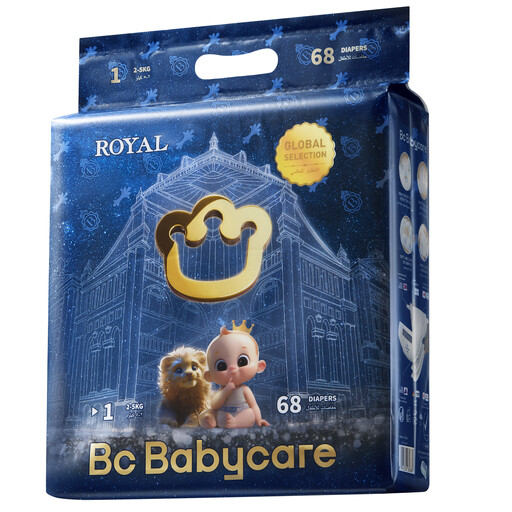
Why this fits the profile: A pack of 68 nappies gives expectant parents the chance to try a newborn nappy size without committing to a large monthly box straight away.
The product information clearly states the weight range of 2–5 kg, so you don’t have to rely on age alone.
68 nappies per pack, SAP in the absorbent core and a stated wetness indicator.
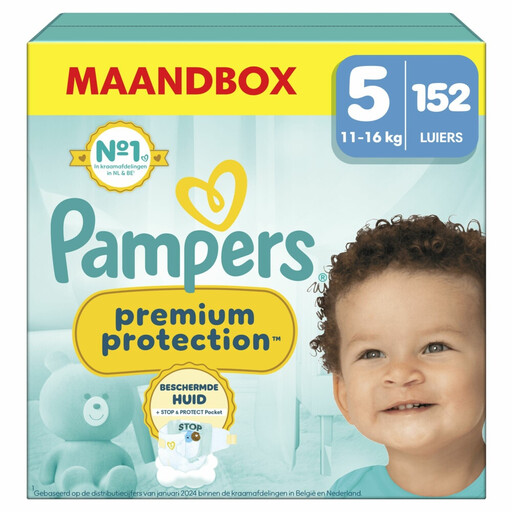
Why this fits the profile: This monthly pack suits families who already know which fit works and want to stock up for daily changes.
You can see the pack size and the size in advance, so you can better plan your stock and your baby’s growth.
152 nappies, a Pampers-stated Stop & Protect pocket and no EU fragrance allergens according to the product information.

Why this fits the profile: Nappy pants are practical for active babies and toddlers who wriggle a lot during changes.
The pants have a clear size and weight indication of 9–14 kg; just check that the waist and leg cuffs fit well.
38 nappies per pack, absorbent SAP core and a 360-degree leak design according to the product specification.
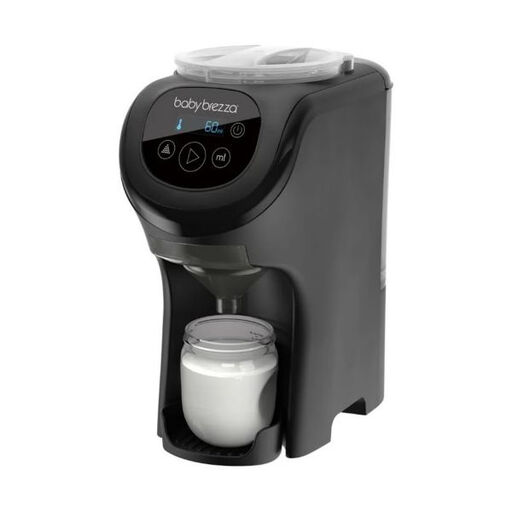
Why this fits the profile: The compact size is ideal for smaller kitchens or parents who want a portable formula maker.
The specifications state the dispensing range of 60–300 ml and a removable water reservoir. Daily cleaning is still essential.
Compact design, LCD controls and an airtight powder reservoir according to the product information.
We’ve put together a full, up-to-date list of products that fully meet these strict selection criteria and comply with current European safety regulations.
That depends on your baby’s age and how many changes you do each day. Newborn nappies are often changed more frequently than nappies for older babies. So, first work out your expected daily use and multiply it by the number of days. When trying a new size, it’s better to buy a smaller pack first.
Look at the weight and the fit. It makes sense to move up when the nappy is visibly tight, leaks more often or no longer sits well over the bottom. There’s no fixed age at which every child moves to size 3 nappies or size 4 nappies.
You can use a baby bottle as long as all parts are undamaged. Check the teat, valves and bottle regularly, and replace parts when they show signs of wear. Clean the bottle after each use according to the instructions. For a formula maker, daily maintenance of the water reservoir and regular cleaning of the funnel are necessary. Always follow the manufacturer’s instructions and safety warnings.
