
Vandaag of morgen in huis

Kwaliteit gegarandeerd

Welkomstaanbiedingen ontgrendelen: GRATIS bezorging | Tot 80% korting | Gratis 30 dagen JoyPlus-proefperiode
Download de app
A newborn baby does not need a long list of essentials, but the right baby products can make everyday care much easier. Think baby bottles, nappies, baby wipes, nappy cream, a dummy, a baby carrier and breastfeeding products. There is a huge range to choose from, and product packaging often focuses more on marketing terms than on the information you actually need.
This buying guide helps you compare baby products based on use, materials, size, maintenance and safety. That way, you can avoid buying products that no longer fit after a few weeks, are difficult to clean or do not suit your routine.
A monthly box of nappies may seem like good value, but babies grow quickly. If you buy too many nappies in one size, you could be left with unopened packs that you can no longer use. Check your baby’s current weight, the fit around the legs and how many nappies you use on average each day.
With pull-up nappies, it is also important that your baby can move freely without the waistband or leg cuffs digging in. A flexible design can be practical for active babies, but it is not automatically suitable for every body shape.
Baby bottles vary in capacity, neck shape, valve and teat size. A 250 ml bottle with a 3m+ Slow Flow teat is not the same as a bottle with a teat designed for newborns. Always check the recommended age and flow rate.
A teat that is too fast can make feeding unsettled, while one that is too slow can be frustrating. When switching between breastfeeding and bottle feeding, the shape of the teat may be particularly important, but every baby responds differently.
A baby cream or nappy cream is designed for everyday skin care. Claims such as “soothes” or “protects” should be regarded as product information provided by the brand, not as a medical guarantee. If redness or sores persist, or a skin reaction becomes worse, it is better to speak to your GP or health visitor than to keep trying different products.
For nappies and pull-up nappies, check both the weight range and the fit. A leak does not always mean that the nappy does not absorb enough; the wrong size, a poorly fitting leg cuff or an overfull nappy could also be the cause.
With a baby carrier, the minimum and maximum weight, recommended age and carrying position are crucial. According to the product information, the Momcozy Baby Carrier is suitable for approximately 3.18 to 19.96 kg and offers several carrying positions. Always use a carrier according to the instructions. Your baby’s face and airway must remain visible and unobstructed.
For baby bottles, BPA-free materials, an easily accessible interior and detachable parts are important points to check. The Difrax S-bottle Natural 170 ml is made from polypropylene and comes with an S teat. The bottle can be disassembled for cleaning and, according to the product information, is dishwasher-safe.
When choosing baby wipes, check whether they are alcohol- and fragrance-free if you want to avoid unnecessary fragrances. According to the product description, Pampers Soft Touch Baby Wipes contain a water-based lotion, are plastic-free and contain no alcohol or fragrance. Always check the current packaging, as formulations can change.
A quality mark or test reference says something about a specific aspect of a product, not every possible use. For example, several Pampers products state OEKO-TEX Standard 100, dermatologically tested and free from EU fragrance allergens. These are verifiable product characteristics, but they do not replace choosing the right size or checking your baby’s skin every day.
Pay attention to warnings too. Dummies should be checked for damage before use and replaced regularly in accordance with the product information. For the Difrax dummy, replacement after six weeks is recommended. Keep packaging, small parts and accessories out of children’s reach.

Why it suits this profile: A monthly box provides a practical supply for the first period, as long as size 1 fits your baby’s weight properly.
The size and quantity are clearly stated. Start by buying a limited amount so you can assess the fit before ordering again.
180 nappies, an umbilical-cord-friendly cut-out according to the product information and no EU fragrance allergens according to the listed specifications.
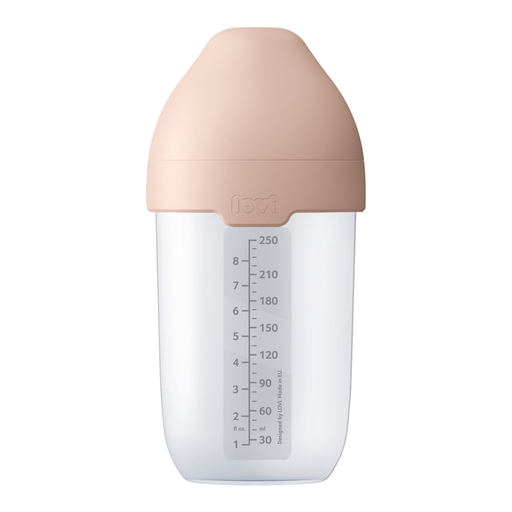
Why it suits this profile: This bottle is designed for parents who want to combine breastfeeding and bottle feeding, while paying attention to teat material and feeding rhythm.
The bottle comes with a 3m+ Slow Flow teat. According to the product information, a separate 0m+ Mini teat is required for use from birth.
250 ml capacity, 100% medical-grade silicone according to the product description and a dynamic teat.
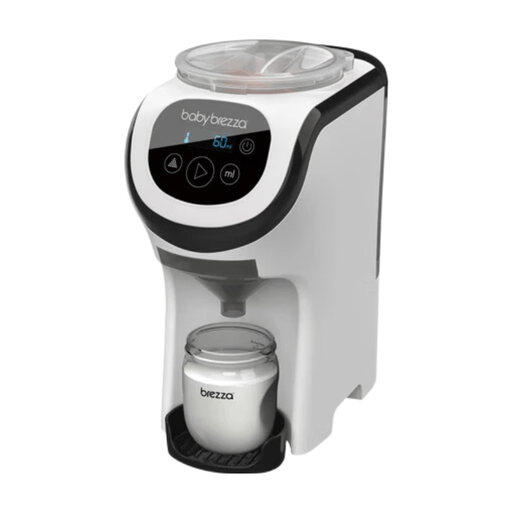
Why it suits this profile: Handy for parents who prepare formula regularly and value a compact appliance on the worktop.
The water reservoir and funnel need to be cleaned regularly. Daily cleaning is therefore part of using the appliance, not an afterthought.
Prepares 60 to 300 ml, temperature setting of around 37 °C according to the product information and a removable dishwasher-safe water reservoir.
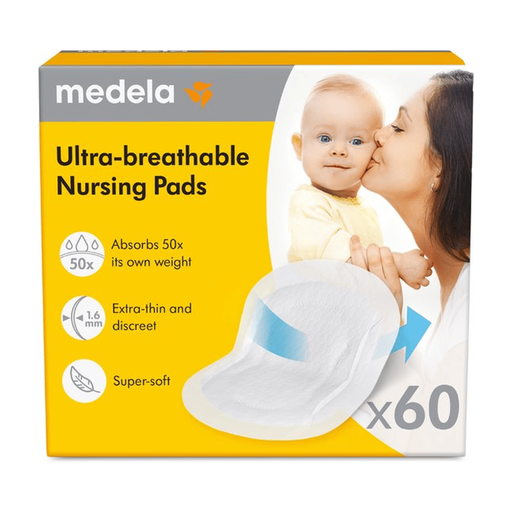
Why it suits this profile: Individually wrapped nursing pads are practical for a changing bag, working day or day out.
This is a single-use product. That means there is no need to wash it, but you do need to replace the pads regularly and dispose of used pads with your household waste.
60 pads, self-adhesive edges and a waterproof backing according to the product information.
We have put together a complete, up-to-date list of products that fully meet these strict selection criteria and the applicable European safety regulations.
For the first few weeks, nappies, baby wipes, clothes, a safe sleeping environment and care products are usually enough. When it comes to feeding, the right choice depends on whether you breastfeed, use formula or combine both. A baby carrier, dummy or formula preparation machine can be useful, but is not essential for every family.
This varies from product to product. Nappies and baby wipes are consumables. A bottle can last longer if you replace its components on time and check the teat before every use. According to the product information for the Difrax model mentioned, a dummy should be replaced every six weeks. Always follow the instructions for use and check for signs of wear.
Monthly costs depend mainly on the number of nappies, the brand, the size and the care products you choose. A large pack can sometimes reduce the price per item, but only if the size remains suitable throughout the period in which you use it. Compare the price per nappy, wipe or feed preparation rather than looking only at the price of the pack.
